
 EN
EN
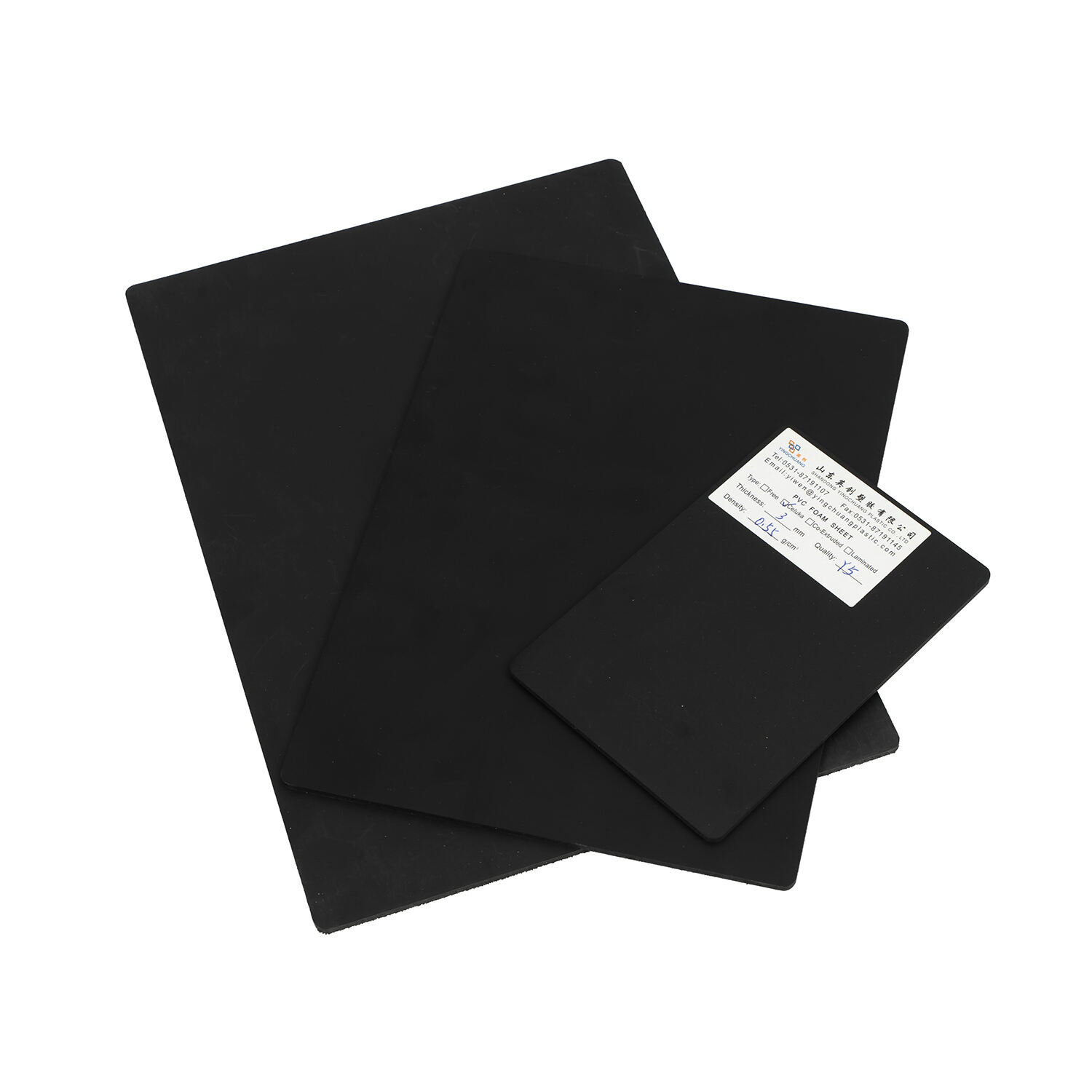
Interior designers face countless material choices when creating functional and aesthetically pleasing spaces, but few materials offer the exceptional combination of versatility, durability, and cost-effectiveness that pvc foam sheet provides. This lightweight yet robust material has revolutionized how professionals approach interior design projects, from residential renovations to commercial installations. Understanding why pvc foam sheet has become a preferred choice among design professionals requires examining its unique properties and practical applications in various interior environments.
The growing popularity of pvc foam sheet in interior design stems from its ability to address multiple design challenges simultaneously while maintaining budget considerations that matter to both professionals and clients. This material offers superior workability compared to traditional alternatives, allowing designers to achieve complex shapes and intricate details that would be difficult or impossible with conventional materials. The inherent properties of pvc foam sheet make it an intelligent choice for designers who prioritize both aesthetic excellence and long-term performance in their projects.
Superior Physical Properties Drive Design Flexibility
Lightweight Yet Durable Construction
The cellular structure of pvc foam sheet creates an optimal balance between weight and strength that traditional solid materials cannot match. This lightweight characteristic significantly reduces installation complexity and structural requirements, making it ideal for wall panels, ceiling applications, and decorative elements where weight considerations are crucial. Interior designers appreciate how the reduced weight of pvc foam sheet allows for larger installations without requiring additional structural support, expanding creative possibilities while maintaining safety standards.
Despite its lightweight nature, pvc foam sheet maintains excellent structural integrity under typical interior design applications. The closed-cell foam structure provides consistent strength distribution throughout the material, preventing weak points that could compromise the installation over time. This durability ensures that interior design elements created with pvc foam sheet maintain their appearance and functionality for years, reducing the need for frequent replacements or repairs that could disrupt the designed space.
Exceptional Workability and Fabrication Options
The fabrication flexibility of pvc foam sheet opens numerous design possibilities that would be challenging with alternative materials. Designers can easily cut, shape, route, and thermoform pvc foam sheet using standard woodworking tools, eliminating the need for specialized equipment or complex fabrication processes. This workability allows for precise customization of design elements, ensuring that each installation perfectly matches the intended aesthetic vision while maintaining professional quality standards.
Advanced fabrication techniques with pvc foam sheet enable the creation of complex three-dimensional forms and intricate surface textures that enhance visual interest in interior spaces. The material responds well to heat forming, allowing designers to create curved surfaces, compound angles, and organic shapes that add sophistication to modern interior designs. This fabrication versatility makes pvc foam sheet particularly valuable for custom installations where standard materials would require complex joining techniques or compromise design integrity.
Environmental and Maintenance Advantages
Moisture Resistance in Interior Applications
Interior spaces often experience varying humidity levels and occasional moisture exposure, making the moisture resistance of pvc foam sheet a significant advantage for long-term performance. Unlike wood-based materials that can warp, swell, or develop mold in humid conditions, pvc foam sheet maintains its dimensional stability and appearance regardless of moisture exposure. This characteristic makes it particularly valuable for bathroom applications, kitchen backsplashes, and other areas where traditional materials might deteriorate over time.
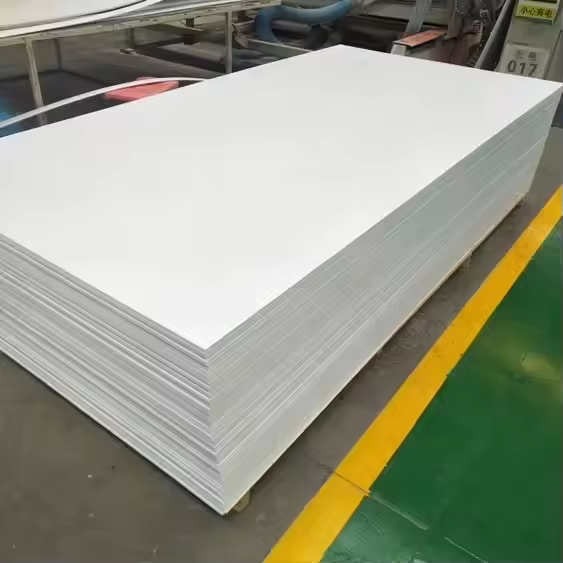
The non-porous surface of pvc foam sheet prevents moisture absorption that could lead to bacterial growth or odor retention, contributing to healthier interior environments. This property is especially important in commercial applications where hygiene standards are critical, such as healthcare facilities, restaurants, and educational institutions. Interior designers choosing pvc foam sheet can confidently specify this material in challenging environments knowing that it will maintain both appearance and hygiene standards throughout its service life.
Low Maintenance Requirements
The smooth, non-porous surface of pvc foam sheet requires minimal maintenance compared to traditional interior design materials, making it an economical choice for both residential and commercial applications. Standard cleaning procedures using common household or commercial cleaners effectively maintain the appearance of pvc foam sheet installations without requiring specialized maintenance products or techniques. This ease of maintenance reduces long-term ownership costs while ensuring that interior spaces maintain their intended aesthetic impact over time.
The chemical resistance of pvc foam sheet allows for thorough cleaning and sanitization without degrading the material surface or causing color changes that could affect the overall design scheme. This durability under cleaning protocols makes pvc foam sheet particularly suitable for high-traffic commercial environments where frequent cleaning is necessary to maintain professional appearance standards. Interior designers can specify pvc foam sheet with confidence knowing that maintenance requirements will not burden property owners or facility managers.
Cost-Effectiveness and Project Efficiency
Material and Labor Cost Advantages
The competitive pricing of pvc foam sheet compared to alternative materials provides significant budget advantages for interior design projects without compromising quality or aesthetic appeal. The efficient manufacturing process and widespread availability of pvc foam sheet contribute to stable pricing that allows designers to create impressive installations while maintaining project budgets. This cost-effectiveness extends the reach of professional interior design services to projects that might otherwise require compromise on material quality or design complexity.
Installation efficiency with pvc foam sheet reduces labor costs significantly compared to traditional materials that require complex preparation, specialized fastening systems, or multiple installation phases. The workability of pvc foam sheet allows installers to complete projects more quickly while maintaining high-quality results, reducing overall project costs and minimizing disruption to occupied spaces. This efficiency makes pvc foam sheet particularly attractive for commercial renovations where downtime costs can exceed material savings from alternative choices.
Long-Term Value Proposition
The durability and low maintenance requirements of pvc foam sheet create exceptional long-term value for interior design investments, as replacement and maintenance costs remain minimal throughout the material's service life. Unlike materials that require periodic refinishing, sealing, or replacement due to wear or environmental damage, pvc foam sheet installations maintain their appearance and functionality with minimal intervention. This longevity makes pvc foam sheet an economically sound choice for both short-term projects and long-term facility management strategies.
The ability to refinish or modify pvc foam sheet installations extends their useful life and allows for design updates without complete replacement, providing additional value over the material's service life. Interior designers can implement initial installations with confidence knowing that future modifications or updates can be accomplished cost-effectively using the same base material. This adaptability makes pvc foam sheet particularly valuable for commercial environments where design requirements may evolve with business needs or brand updates.
Aesthetic Versatility and Design Integration
Surface Finish and Color Options
The surface characteristics of pvc foam sheet provide an excellent foundation for various finishing techniques that enhance its aesthetic appeal and integration with diverse design schemes. The smooth, consistent surface accepts paint, adhesive films, and decorative laminates uniformly, allowing designers to achieve precise color matching and texture coordination with other interior elements. This finishing flexibility ensures that pvc foam sheet installations can seamlessly integrate with existing design elements while providing the functional benefits of the base material.
Advanced printing and lamination technologies enable the application of complex patterns, textures, and photographic images to pvc foam sheet surfaces, expanding design possibilities beyond traditional solid colors or simple textures. Interior designers can specify custom graphics, wood grain patterns, stone textures, or abstract designs that would be impossible or extremely expensive with traditional materials. This customization capability makes pvc foam sheet particularly valuable for branded environments, themed installations, and unique design concepts that require precise visual control.
Integration with Lighting and Technology
The machinability of pvc foam sheet facilitates the integration of modern lighting and technology systems that enhance the functionality and visual impact of interior installations. Designers can easily route channels for LED strip lighting, create mounting points for audio-visual equipment, or incorporate smart building systems without compromising the structural integrity of the installation. This integration capability makes pvc foam sheet particularly suitable for contemporary interior designs that emphasize technology integration and dynamic lighting effects.
The thermal properties of pvc foam sheet provide adequate heat dissipation for embedded lighting systems while maintaining dimensional stability, ensuring that integrated technology systems operate reliably without affecting the appearance or performance of the installation. This compatibility with modern building systems makes pvc foam sheet an intelligent choice for smart building applications where traditional materials might require complex workarounds or compromise system performance. Interior designers can confidently specify pvc foam sheet for technology-integrated installations knowing that both aesthetic and functional requirements will be met effectively.
FAQ
Is pvc foam sheet suitable for high-traffic commercial interior applications?
Yes, pvc foam sheet performs excellently in high-traffic commercial environments due to its impact resistance, ease of cleaning, and dimensional stability. The material maintains its appearance under normal commercial use and can be easily repaired or refinished if damage occurs, making it cost-effective for busy interior spaces like offices, retail environments, and hospitality facilities.
How does pvc foam sheet compare to traditional materials like wood or drywall for interior design?
Pvc foam sheet offers superior moisture resistance, lower maintenance requirements, and greater design flexibility compared to wood or drywall. While initial material costs may be comparable, the reduced installation time, eliminated finishing requirements, and minimal maintenance needs often result in lower total project costs and better long-term performance in most interior applications.
Can pvc foam sheet be used in areas with specific fire safety requirements?
Fire-rated versions of pvc foam sheet are available that meet specific building code requirements for interior applications. These specialized grades maintain the workability and aesthetic benefits of standard pvc foam sheet while providing the fire performance characteristics required for commercial and institutional installations. Designers should verify local code requirements and specify appropriate grades for their specific applications.
What installation considerations are important when using pvc foam sheet in interior design projects?
Proper substrate preparation, appropriate fastening methods, and adequate expansion joints are key considerations for successful pvc foam sheet installations. The material's thermal expansion characteristics require planning for seasonal movement, while its lightweight nature allows for various mounting systems depending on the application. Working with experienced installers familiar with pvc foam sheet characteristics ensures optimal results and long-term performance.
Table of Contents
- Superior Physical Properties Drive Design Flexibility
- Environmental and Maintenance Advantages
- Cost-Effectiveness and Project Efficiency
- Aesthetic Versatility and Design Integration
-
FAQ
- Is pvc foam sheet suitable for high-traffic commercial interior applications?
- How does pvc foam sheet compare to traditional materials like wood or drywall for interior design?
- Can pvc foam sheet be used in areas with specific fire safety requirements?
- What installation considerations are important when using pvc foam sheet in interior design projects?