
 EN
EN
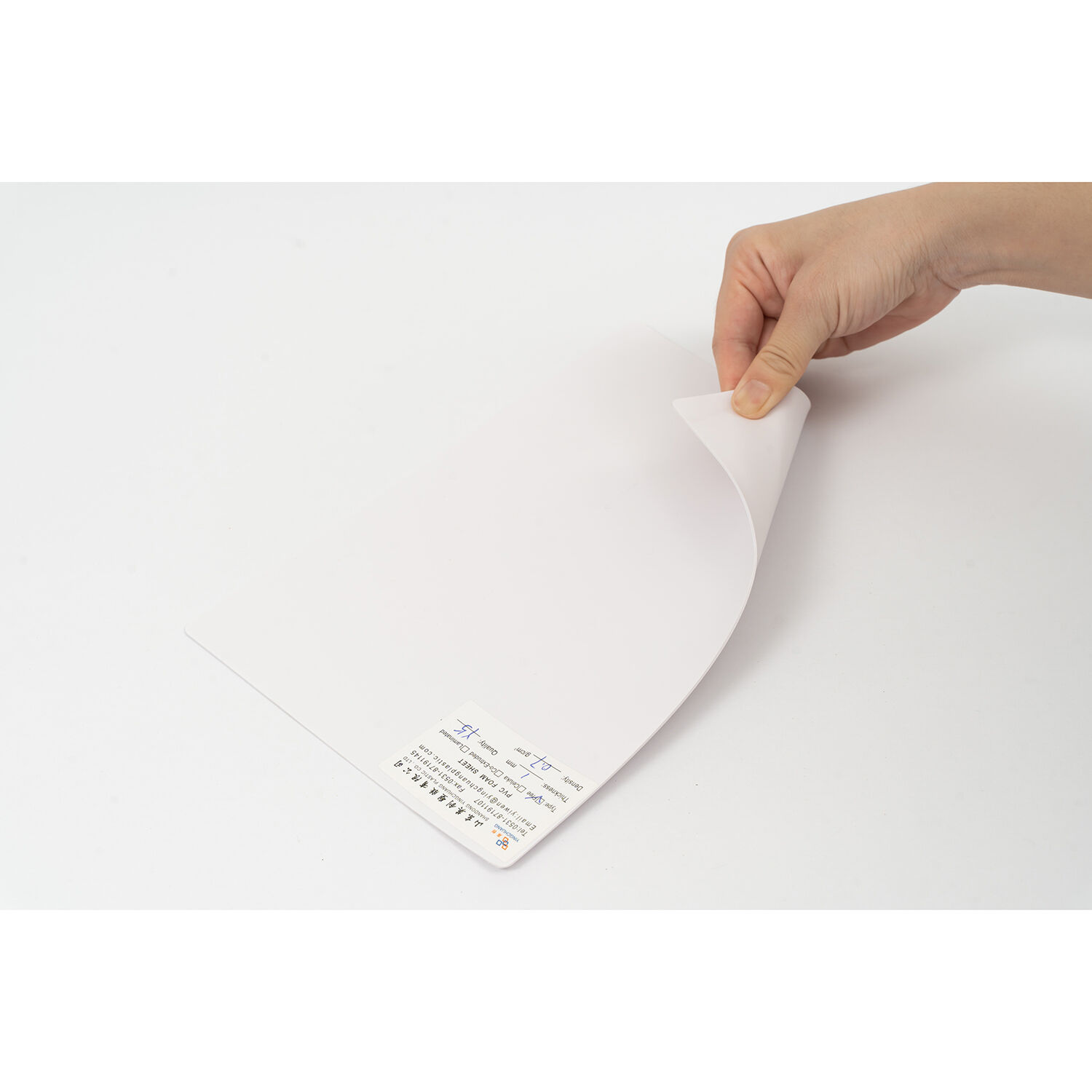
Manufacturing and construction industries increasingly scrutinize material costs to maintain competitive margins and project profitability. When selecting lightweight, versatile sheeting materials, decision-makers must evaluate not only upfront purchase prices but also long-term value propositions including durability, processing efficiency, and maintenance requirements. Understanding the comprehensive cost structure of pvc foam sheet compared to alternative materials enables informed procurement decisions that align with both budgetary constraints and performance expectations.
The cost analysis framework for pvc foam sheet extends beyond simple price comparisons to encompass total ownership expenses, processing requirements, waste generation, and application-specific performance factors. While initial material costs represent the most visible expense component, factors such as machining ease, adhesive compatibility, surface finishing requirements, and replacement frequency significantly impact the overall economic equation. This comprehensive evaluation approach reveals why pvc foam sheet often delivers superior value propositions despite varying initial cost positions relative to competing materials.
Direct Material Cost Comparison Framework
Raw Material Pricing Structures
The base cost of pvc foam sheet typically ranges from moderate to competitive levels when compared against alternative lightweight sheeting materials. Pricing varies significantly based on thickness specifications, density grades, and surface finish requirements, with standard grades generally positioned favorably against premium alternatives. Market pricing for pvc foam sheet reflects stable resin costs and efficient manufacturing processes that have matured over decades of industrial application.
Alternative materials such as aluminum composite panels, polystyrene foam boards, and honeycomb structures exhibit distinct pricing patterns influenced by raw material volatility, manufacturing complexity, and supply chain factors. Aluminum-based alternatives often command premium pricing due to metal content and specialized bonding processes, while expanded polystyrene options may appear cost-effective initially but require careful evaluation of performance trade-offs.
Volume purchasing considerations significantly influence comparative costs, with pvc foam sheet suppliers typically offering attractive scaling benefits for larger quantities. The material's standardized production processes enable predictable pricing structures that facilitate budget planning and cost control in industrial applications requiring consistent material specifications across extended project timelines.
Thickness and Density Impact on Pricing
Material costs for pvc foam sheet scale proportionally with thickness and inversely with density in most standard configurations. Thicker sheets naturally require more raw material input but often deliver superior cost-per-performance ratios in applications demanding structural integrity or thermal insulation properties. The relationship between density and cost reflects manufacturing efficiency optimization, where lighter density grades may command slight premiums due to specialized foaming processes.
Comparative analysis reveals that pvc foam sheet maintains relatively linear cost progression across thickness ranges, contrasting with alternatives that may exhibit pricing discontinuities at specific dimensions. This predictable cost structure simplifies specification decisions and enables accurate project budgeting without unexpected material cost escalations when adjusting thickness requirements during design development phases.
Custom density specifications for specialized applications typically involve modest cost premiums but deliver targeted performance characteristics that may eliminate needs for additional processing or composite material solutions. The ability to optimize pvc foam sheet density for specific applications often results in overall cost savings compared to alternatives requiring multiple material layers or supplementary components to achieve desired performance levels.
Processing and Fabrication Cost Analysis
Machining and Cutting Efficiency
Manufacturing operations benefit significantly from the excellent machinability of pvc foam sheet, which processes cleanly using standard woodworking and metalworking equipment without specialized tooling requirements. The material's consistent cellular structure enables precise cutting, routing, and drilling operations with minimal tool wear and virtually no chipping or delamination issues that plague some alternative materials.
Labor costs associated with pvc foam sheet fabrication typically run lower than alternatives requiring specialized cutting techniques, cooling systems, or chip evacuation equipment. Standard carbide tooling performs effectively across normal production speeds, eliminating needs for expensive diamond-tipped or specialized cutting implements required by harder alternative materials such as fiber-reinforced composites or metal-core panels.
Waste generation during processing remains minimal with pvc foam sheet due to clean cutting characteristics and material stability during machining operations. The recyclable nature of processing waste provides additional cost recovery opportunities compared to alternatives that generate non-recyclable waste streams or require specialized disposal procedures that add to overall project costs.

Assembly and Installation Labor Requirements
Installation labor costs favor pvc foam sheet due to lightweight handling characteristics and excellent adhesive bonding properties that reduce assembly complexity. Standard construction adhesives, mechanical fasteners, and welding techniques work effectively with the material, eliminating needs for specialized joining methods or expensive bonding agents required by some alternative materials.
The dimensional stability of pvc foam sheet during installation reduces callback costs and rework expenses associated with materials that may warp, shrink, or expand significantly under normal environmental conditions. Consistent flatness and edge quality minimize fitting adjustments and reduce installation time compared to alternatives requiring extensive preparation or conditioning before assembly.
Safety considerations during installation favor pvc foam sheet over alternatives that may generate hazardous dust, require respiratory protection, or present handling risks due to sharp edges or brittle characteristics. Reduced safety equipment requirements and simplified handling procedures translate directly into lower labor costs and improved installation efficiency across various application scenarios.
Long-term Performance and Maintenance Cost Factors
Durability and Replacement Frequency Analysis
The service life expectancy of pvc foam sheet in typical applications extends well beyond many alternative materials, particularly in indoor environments where UV exposure and extreme temperature cycling remain minimal. The material's inherent chemical resistance and dimensional stability contribute to extended service intervals that reduce replacement costs and associated labor expenses over equipment or structure lifespans.
Comparative analysis of replacement frequency reveals that while some alternatives may offer lower initial costs, their shorter service lives often result in higher total ownership expenses when replacement labor, disposal costs, and production downtime factors are incorporated. The closed-cell structure of pvc foam sheet resists moisture absorption and chemical degradation that commonly affect alternative materials in industrial environments.
Maintenance requirements for pvc foam sheet remain minimal compared to alternatives requiring periodic sealing, protective coating applications, or structural reinforcement over time. The material's resistance to common industrial chemicals, oils, and cleaning agents eliminates recurring maintenance expenses that may accumulate significantly with more sensitive alternative materials requiring specialized care protocols.
Environmental and Operational Cost Considerations
Energy costs associated with heating and cooling systems benefit from the thermal insulation properties of pvc foam sheet, particularly in applications where the material serves as building envelope components or equipment enclosures. The cellular structure provides consistent thermal resistance that may reduce operational energy expenses compared to solid alternatives with higher thermal conductivity characteristics.
Cleaning and maintenance costs remain low for pvc foam sheet installations due to smooth surface characteristics that resist dirt accumulation and allow effective cleaning using standard commercial cleaning products. Alternative materials with textured surfaces or porous structures may require specialized cleaning procedures or more frequent maintenance intervals that increase operational expenses over time.
Disposal and recycling considerations at end-of-life favor pvc foam sheet over alternatives containing mixed materials or chemical additives that complicate recycling processes. The thermoplastic nature of the material enables efficient recycling into new products, potentially providing cost recovery opportunities and reducing disposal expenses compared to alternatives requiring landfill disposal or expensive specialized recycling procedures.
Application-Specific Cost Optimization Strategies
Volume and Specification Planning
Strategic procurement of pvc foam sheet benefits from consolidated ordering approaches that leverage volume discounts and reduce per-unit shipping costs across multiple project phases. Standardizing on common thickness and size specifications across different applications within facilities enables bulk purchasing advantages while maintaining adequate inventory levels to support ongoing operational requirements.
Design optimization strategies that maximize standard sheet utilization minimize waste generation and reduce overall material costs compared to custom sizing requirements that may incur premium pricing or generate excessive trim waste. Planning cutting layouts to optimize yield from standard sheet dimensions can significantly impact project economics, particularly for large-scale installations requiring numerous components.
Timing procurement cycles to align with supplier production schedules and market conditions enables cost optimization opportunities that may not be available with rush orders or spot purchases. Establishing relationships with reliable pvc foam sheet suppliers facilitates planning advantages and may provide access to preferential pricing structures for consistent volume customers.
Performance-Based Value Engineering
Value engineering approaches that match pvc foam sheet specifications precisely to application requirements prevent over-specification costs while ensuring adequate performance margins. Selecting appropriate density and thickness combinations based on actual load and environmental requirements optimizes cost-performance ratios compared to default selections that may exceed necessary specifications.
Integrating pvc foam sheet selection with overall system design considerations enables cost optimizations through reduced structural support requirements, simplified assembly procedures, and enhanced thermal performance that may eliminate needs for supplementary materials or systems. The lightweight nature of the material often enables cost savings in supporting framework and installation hardware compared to heavier alternatives.
Quality assurance programs that verify material specifications and performance characteristics prevent costly field failures and ensure consistent results across installations. Establishing clear acceptance criteria and inspection procedures for pvc foam sheet deliveries protects against substandard materials that could compromise project economics through rework or premature replacement requirements.
FAQ
How does the initial cost of pvc foam sheet compare to solid plastic alternatives?
Pvc foam sheet typically costs 30-50% less per square foot compared to solid plastic sheets of equivalent thickness, while often providing superior thermal insulation and lighter weight characteristics. The cellular foam structure reduces material usage during manufacturing, resulting in cost advantages that translate directly to end-user pricing while maintaining structural integrity suitable for most industrial applications.
What hidden costs should be considered when comparing pvc foam sheet to aluminum alternatives?
While aluminum sheets may appear competitively priced initially, additional costs include specialized cutting tools, thermal expansion considerations requiring flexible mounting systems, potential galvanic corrosion protection in mixed-metal environments, and significantly higher shipping costs due to weight differences. Pvc foam sheet eliminates most of these secondary costs while providing comparable structural performance in many applications.
How do processing and fabrication costs impact the total cost comparison?
Processing costs for pvc foam sheet typically run 20-40% lower than alternatives requiring specialized tooling or cutting techniques. The material machines easily with standard equipment, generates minimal waste, and requires no special handling precautions, resulting in reduced labor time and lower tool replacement costs compared to abrasive or difficult-to-process alternatives that may require expensive cutting fluids or specialized ventilation systems.
Does the lifespan of pvc foam sheet justify any initial cost premiums over cheaper alternatives?
The 15-20 year service life of pvc foam sheet in typical indoor applications often exceeds cheaper alternatives by 5-10 years, making the total cost of ownership favorable even when initial costs are slightly higher. When replacement labor, disposal costs, and production downtime are factored into lifecycle calculations, pvc foam sheet frequently delivers 25-35% lower total ownership costs compared to alternatives requiring more frequent replacement cycles.
Table of Contents
- Direct Material Cost Comparison Framework
- Processing and Fabrication Cost Analysis
- Long-term Performance and Maintenance Cost Factors
- Application-Specific Cost Optimization Strategies
-
FAQ
- How does the initial cost of pvc foam sheet compare to solid plastic alternatives?
- What hidden costs should be considered when comparing pvc foam sheet to aluminum alternatives?
- How do processing and fabrication costs impact the total cost comparison?
- Does the lifespan of pvc foam sheet justify any initial cost premiums over cheaper alternatives?