
 EN
EN
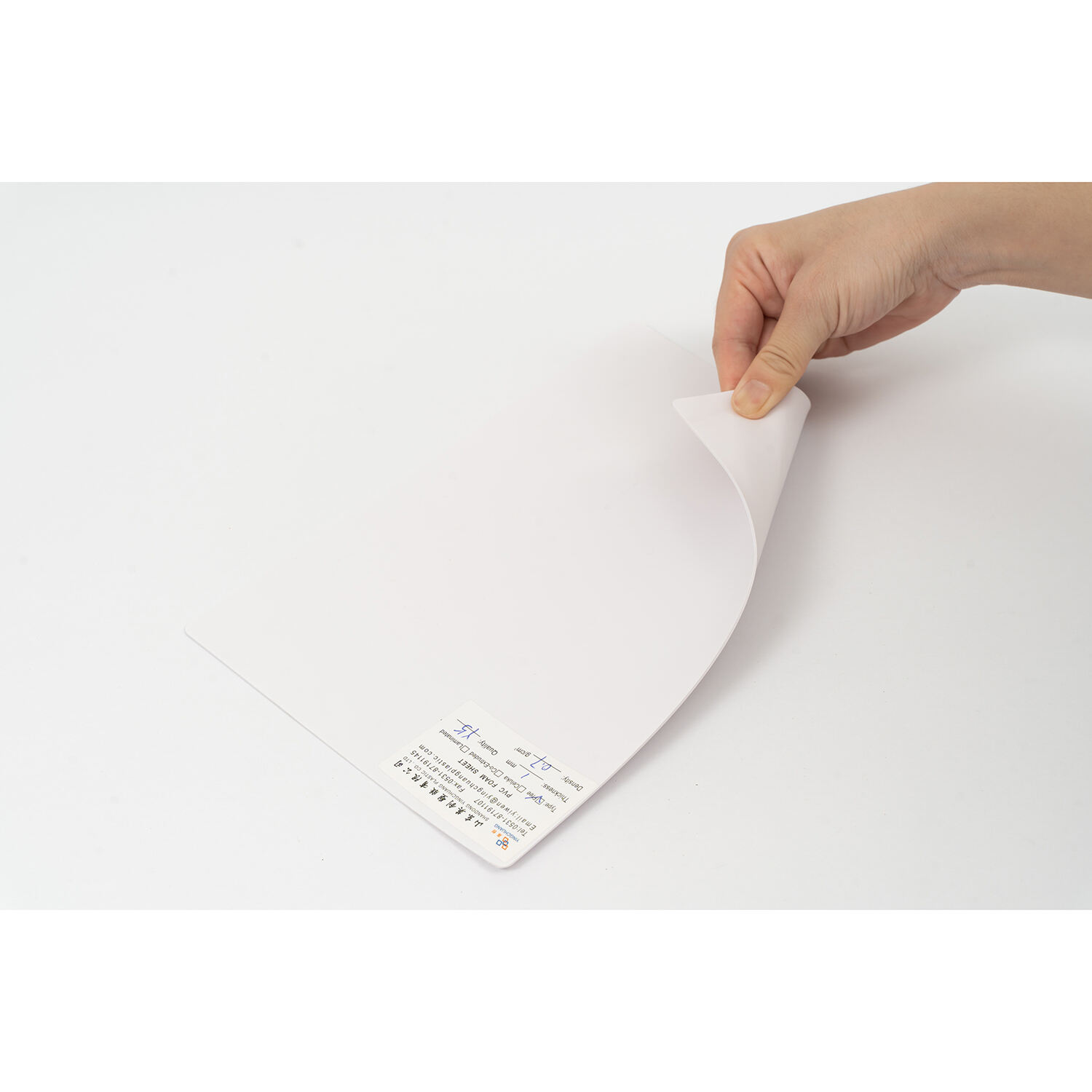
Printing on PVC forex board requires specific techniques and considerations to achieve professional results that meet commercial and industrial standards. This expanded foam PVC material presents unique challenges during the printing process due to its cellular structure, surface characteristics, and thermal properties. Understanding the proper approach ensures optimal ink adhesion, color reproduction, and long-lasting durability for signage, displays, and architectural applications.
The printing workflow for PVC forex board involves careful preparation, appropriate equipment selection, and precise parameter control to overcome the material's inherent characteristics. From surface preparation through final curing, each step directly impacts the quality and longevity of the printed output. Professional results depend on matching the printing method to the specific PVC forex board grade, thickness, and intended application while considering environmental factors and production requirements.
Pre-Print Preparation and Surface Treatment
Surface Analysis and Cleaning Protocol
Proper surface preparation begins with thorough analysis of the PVC forex board condition and contamination level. The expanded foam structure creates microscopic surface irregularities that can trap dust, oils, and manufacturing residues. These contaminants prevent proper ink adhesion and create print quality issues. Professional cleaning involves degreasing with isopropyl alcohol followed by antistatic treatment to eliminate charge buildup that attracts particles during printing.
Surface energy measurement using dyne pens or contact angle testing determines the PVC forex board's receptivity to inks and coatings. Fresh material typically exhibits adequate surface energy for most printing applications, but aged or contaminated boards may require corona treatment or chemical etching to improve wettability. The cellular foam structure also requires inspection for surface density variations that could affect ink penetration and adhesion uniformity.
Material Conditioning and Environmental Control
Temperature and humidity conditioning significantly impacts printing success on PVC forex board. The material should reach equilibrium with the printing environment temperature, typically 20-25°C, to prevent thermal expansion during processing. Rapid temperature changes can cause dimensional instability and surface stress that interferes with ink application. Proper acclimatization requires 2-4 hours depending on board thickness and environmental differential.
Humidity control prevents moisture absorption into the foam cells, which can cause print defects and adhesion problems. The PVC forex board should be stored in conditions below 60% relative humidity and protected from condensation. Excessive moisture creates steam during thermal curing processes and can cause delamination between ink layers and substrate surface.
Printing Method Selection and Equipment Configuration
Digital Printing Technology Optimization
UV flatbed printing represents the most versatile approach for PVC forex board applications, offering excellent adhesion without requiring primers or surface treatments in most cases. The instant curing capability prevents ink migration into the foam cells while maintaining surface definition and color accuracy. Print head height adjustment becomes critical due to the board's thickness variations and potential warpage, requiring precise gap calibration to ensure consistent ink deposit.
Solvent-based wide format printing provides cost-effective solutions for large-volume production but requires careful ink selection to prevent chemical attack on the pvc forex board surface. Eco-solvent and latex inks offer improved compatibility while maintaining production efficiency. Heat settings must be carefully controlled to prevent foam cell expansion that creates surface irregularities and dimensional changes during printing.
Screen Printing Considerations
Screen printing on PVC forex board requires ink formulation specifically designed for expanded PVC substrates. The cellular structure demands inks with controlled penetration characteristics to prevent excessive absorption while ensuring adequate adhesion. Mesh selection influences ink deposit thickness and surface coverage, with finer meshes providing better detail reproduction but potentially inadequate ink film thickness for durability.
Squeegee durometer and printing pressure directly affect how the PVC forex board responds during the printing stroke. The compressible foam structure requires balanced pressure to achieve uniform ink transfer without crushing the surface cells. Multiple pass printing techniques help build adequate ink film thickness while maintaining registration accuracy across large format applications.
Ink Selection and Adhesion Enhancement
Ink Chemistry and Compatibility
Ink selection for PVC forex board printing must account for the material's chemical composition and thermal properties. UV-curable inks generally provide the best adhesion and durability due to their crosslinked polymer structure that mechanically bonds to the substrate surface. The photoinitiator system must be optimized for the white or colored background of the PVC forex board to ensure complete curing without oxygen inhibition.
Solvent-based inks require careful compatibility testing to prevent plasticizer migration or surface softening that compromises print quality. The PVC forex board's foam structure can absorb certain solvents, causing dimensional changes or surface defects. Fast-evaporating solvents minimize penetration but may create adhesion challenges, while slower solvents improve wetting but increase processing time and environmental considerations.
Primer and Adhesion Promoter Applications
Primer application enhances ink adhesion on challenging PVC forex board surfaces or when maximum durability requirements exceed standard ink performance. Corona or flame treatment creates reactive sites that improve primer bonding, followed by thin, uniform primer application using spray, brush, or roller techniques. Primer selection depends on the subsequent ink system and intended application environment.
Adhesion promoters offer an alternative approach for improving ink bonding without full primer systems. These reactive chemicals modify the PVC forex board surface energy through chemical grafting or physical absorption. Application methods include spray treatment, wipe-on techniques, or integration into the ink formulation. Proper curing ensures maximum effectiveness while preventing interference with subsequent printing operations.
Process Parameters and Quality Control
Temperature and Curing Management
Temperature control throughout the printing process prevents thermal damage to the PVC forex board while ensuring proper ink curing and adhesion. UV curing systems generate significant heat that can cause foam expansion and surface distortion if not properly managed. LED UV systems offer reduced thermal load compared to mercury arc lamps while maintaining curing efficiency for most ink formulations.
Hot air drying for solvent-based systems requires precise temperature ramping to prevent rapid solvent evaporation that creates surface defects. The PVC forex board's low thermal conductivity means heat penetration occurs gradually, requiring extended drying cycles at moderate temperatures rather than high-temperature flash curing that can damage the substrate structure.
Print Registration and Dimensional Stability
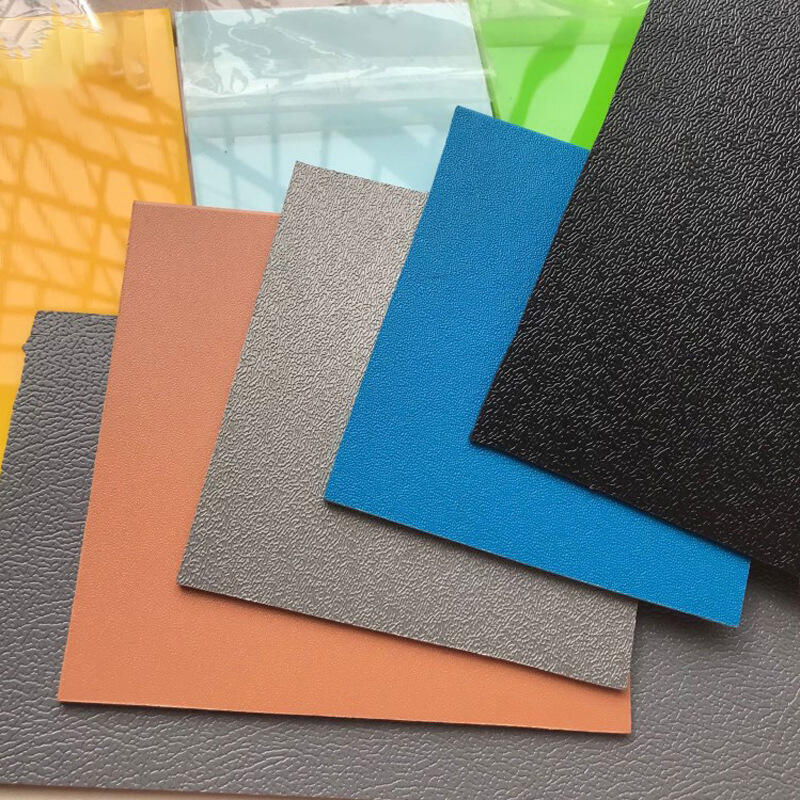
Multi-color registration on PVC forex board requires compensation for thermal expansion and material movement during processing. The foam structure exhibits different expansion coefficients in machine and cross directions, necessitating directional compensation in the printing setup. Vacuum hold-down systems help maintain substrate position but must account for the material's compressibility and potential surface marking.
Quality monitoring throughout the printing process includes adhesion testing using crosshatch or pull-off methods to verify ink bonding strength. Color consistency evaluation accounts for the PVC forex board's surface texture effects on optical properties. Regular calibration ensures printing parameters remain within acceptable tolerances as environmental conditions and material characteristics vary.
Post-Print Processing and Finishing
Curing Optimization and Adhesion Testing
Post-print curing ensures complete ink polymerization and maximum adhesion strength on PVC forex board surfaces. UV-printed materials benefit from additional exposure cycles using lower intensity systems that promote complete crosslinking without thermal stress. Solvent-based prints require controlled drying environments that allow gradual solvent release while preventing skin formation that traps solvents beneath the surface.
Adhesion testing protocols verify print durability under expected service conditions. Tape tests, crosshatch evaluation, and environmental exposure testing provide quantitative data on ink bonding performance. The PVC forex board's cellular structure requires testing methods that account for substrate compression and recovery characteristics that might affect apparent adhesion values.
Protective Coating and Lamination
Protective coating application extends print life and enhances surface properties for demanding applications. UV-curable clear coats provide excellent durability and chemical resistance while maintaining optical clarity. Application methods must account for the PVC forex board's surface texture and potential for coating penetration into surface cells that could affect appearance uniformity.
Lamination processes require careful pressure and temperature control to prevent foam compression while ensuring proper adhesive bonding. Cold lamination techniques minimize thermal stress on the PVC forex board substrate while providing adequate protection for most indoor applications. Heat-activated adhesive systems offer superior bonding but require precise temperature control to prevent substrate damage.
FAQ
What printing methods work best for PVC forex board applications?
UV flatbed printing provides the most versatile and reliable results for PVC forex board, offering excellent adhesion without primers and instant curing that prevents ink migration. Screen printing works well for simple designs and large quantities, while eco-solvent digital printing offers cost-effective solutions for moderate volumes. The choice depends on image complexity, quantity requirements, and durability specifications.
How do you prevent ink adhesion problems on PVC forex board surfaces?
Proper surface preparation including degreasing and antistatic treatment eliminates most adhesion problems. Corona treatment improves surface energy for challenging applications, while primer systems provide maximum bonding strength when standard inks are insufficient. Temperature control prevents thermal stress that can compromise adhesion, and proper ink selection ensures compatibility with the PVC substrate chemistry.
What temperature limits should be observed when printing on PVC forex board?
Processing temperatures should remain below 60°C to prevent foam cell expansion and surface distortion. UV curing systems require heat management to avoid thermal damage, while solvent drying should use moderate temperatures with extended cycles rather than high-heat flash drying. The material's low thermal conductivity requires gradual temperature changes to maintain dimensional stability throughout processing.
Can PVC forex board be printed on both sides effectively?
Double-sided printing is possible but requires careful handling to prevent damage to the first printed surface. The foam structure may compress slightly during printing, affecting registration accuracy for the second side. Sequential printing with proper drying between sides and protective surface covering prevents contamination and damage. Specialized fixtures may be needed to support the material during second-side processing without marking the printed surface.