
 EN
EN
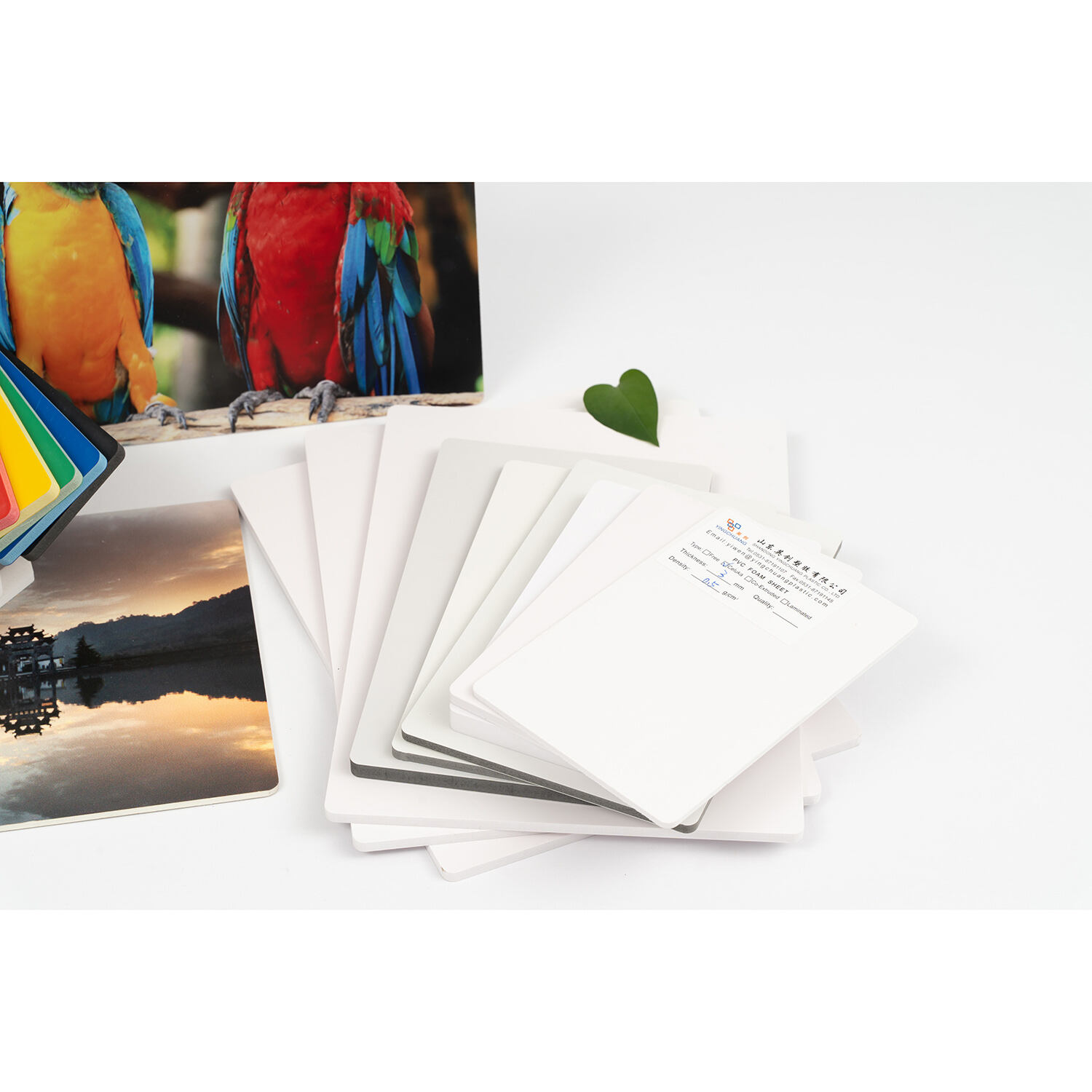
Designers and fabricators continually seek versatile materials that combine affordability, durability, and aesthetic flexibility. PVC forex board has emerged as a top choice across industries ranging from retail display to architectural signage and interior décor. This lightweight yet robust sheet material offers a unique blend of workability and visual impact that enables creative professionals to push boundaries in both temporary installations and permanent fixtures. Understanding how to leverage the distinct properties of pvc forex board opens new possibilities for innovative design applications that balance performance with cost efficiency.
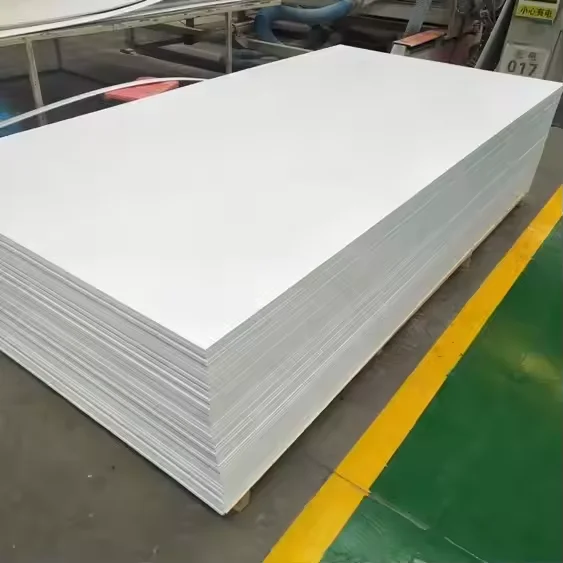
The purpose of this article is to showcase five distinct creative applications that demonstrate the untapped potential of pvc forex board in modern design work. Rather than focusing solely on traditional signage uses, we will explore how this material can transform spatial experiences, enhance brand environments, and deliver striking visual solutions across multiple contexts. Each application presented here reflects real-world design challenges and illustrates practical techniques that professionals can adapt to their own projects, regardless of scale or budget constraints.
Dimensional Typography and Sculptural Lettering
Creating Depth Through Layered Text Elements
One of the most compelling uses of pvc forex board lies in constructing three-dimensional typography that adds architectural presence to interior and exterior spaces. By stacking multiple layers of precisely cut pvc forex board at varying depths, designers create letterforms with genuine physical dimension rather than printed illusions of depth. This technique works exceptionally well for lobby installations, feature walls, and event backdrops where typography serves as both communication and sculptural art. The material's uniform density ensures clean cuts with CNC routers or laser cutters, while its lightweight nature simplifies mounting on vertical surfaces without requiring heavy-duty structural support.
The process typically begins with vector-based designs exported to cutting machines that translate digital letterforms into physical components. Designers can specify varying thicknesses of pvc forex board to achieve different projection depths, with common choices ranging from three millimeters for subtle dimension to eighteen millimeters for bold statement pieces. Color can be introduced through painting, vinyl wrapping, or selecting pre-colored sheets, allowing the final installation to align precisely with brand guidelines or spatial color schemes. This approach has proven particularly effective in retail environments where brand names need to command attention without overwhelming surrounding merchandise displays.
Achieving Professional Finishing for Exposed Edges
When working with layered pvc forex board typography, edge treatment becomes crucial to achieving a polished professional appearance. The material's cellular foam core structure means that cut edges reveal a textured surface that requires finishing for high-visibility applications. Designers employ several techniques to address this characteristic, including edge painting with specialized primers that seal the foam structure before applying topcoats, or applying thin edge banding materials that create smooth perimeter surfaces. Some fabricators prefer routing slight chamfers along exposed edges to create clean shadow lines that actually enhance the dimensional quality of the lettering.
Another advanced technique involves sandwiching pvc forex board between thinner facing materials such as aluminum composite panels or acrylic sheets, creating hybrid constructions that combine the lightweight economy of foam core with the premium surface finish of more expensive materials. This approach works particularly well for illuminated dimensional letters where the pvc forex board serves as a structural spacer between front faces and backing panels. The result is signage that delivers visual impact comparable to solid fabricated letters at a fraction of the weight and cost, making it accessible for projects with limited budgets or installation constraints.
Modular Display Systems and Exhibition Structures
Building Reconfigurable Booth Components
Trade show exhibitors and event designers have discovered that pvc forex board excels as a building block for modular display systems that can be reconfigured across multiple events. Unlike traditional exhibit structures built from metal extrusions or heavy panels, components fabricated from pvc forex board offer sufficient rigidity for freestanding installations while remaining light enough for single-person assembly. Designers create interlocking panel systems with integrated slots and tabs, allowing booth walls, product pedestals, and information kiosks to be assembled without tools or specialized hardware. This modularity extends the useful life of exhibition investments while reducing storage and shipping costs between events.
The design process for modular pvc forex board systems requires careful attention to joint geometry and structural logic. Successful systems incorporate engineered connections that distribute loads effectively while remaining simple enough for non-technical staff to assemble under time pressure. Common approaches include finger joints that interlock perpendicular panels, slotted bases that accept vertical panels without fasteners, and hinged connections created by routing partial-depth grooves that allow panels to fold for compact transport. When properly engineered, these systems achieve remarkable stability despite their lightweight construction, with finished installations appearing substantial and professionally crafted.
Integrating Graphics and Functional Elements
Beyond structural applications, pvc forex board serves as an excellent substrate for direct-printed graphics in exhibition contexts. Modern UV flatbed printers can output photographic-quality images directly onto the material's smooth surface, eliminating the need for applied vinyl graphics and reducing production time. This capability allows designers to create fully integrated display components where structural panels, graphic backgrounds, and informational elements merge into unified visual systems. The material accepts various finishing treatments including matte and gloss laminates that protect printed surfaces while enhancing color saturation and visual depth.
Functional integration extends beyond graphics to include mounting systems for technology, lighting, and product displays. Designers route channels into pvc forex board panels to conceal wiring for LED strip lighting, creating backlit graphic features without visible infrastructure. Similarly, threaded inserts can be embedded into the material's foam core to create secure mounting points for tablets, monitors, and product fixtures. This level of integration transforms simple sheet material into a comprehensive exhibition platform that addresses both aesthetic and functional requirements within a single material system.
Architectural Mock-ups and Spatial Prototyping
Rapid Visualization of Spatial Concepts
Architects and interior designers increasingly employ pvc forex board as a medium for creating full-scale spatial mock-ups that help clients visualize proposed environments before committing to expensive final materials. This application proves particularly valuable for complex ceiling designs, feature walls, and custom millwork where digital renderings cannot fully communicate spatial relationships and physical presence. By fabricating representative elements from pvc forex board at actual scale, designers enable clients to experience proportions, sight lines, and material interactions in three dimensions, significantly reducing the risk of costly revisions during construction.
The speed advantage of pvc forex board prototyping cannot be overstated in fast-paced design development processes. Unlike traditional mock-up materials that require extensive carpentry and finishing work, pvc forex board components can be cut, assembled, and finished within days rather than weeks. This rapid turnaround supports iterative design processes where multiple variations need evaluation before finalizing specifications. Design teams can test alternative configurations, adjust proportions based on client feedback, and refine details without the time and cost penalties associated with traditional prototyping methods. The material's ease of modification means that changes can be implemented immediately during review sessions, facilitating collaborative decision-making.
Material and Finish Simulation Techniques
While pvc forex board cannot replicate the tactile qualities of stone, wood, or metal, designers have developed finishing techniques that allow it to simulate the visual appearance of various architectural materials in mock-up applications. Surface preparation with specialized primers creates tooth for paint systems that mimic concrete, plaster, or metallic finishes with surprising fidelity when viewed from typical viewing distances. For wood grain simulations, designers apply wood-textured vinyl films or use faux finishing techniques with glazes and dry brushing to suggest timber species. These simulations serve not to deceive but to communicate design intent more effectively than bare mock-up materials.
Advanced mock-up applications combine pvc forex board with samples of actual finish materials to create hybrid prototypes that balance economy with realism. For instance, a feature wall mock-up might use pvc forex board for the overall geometry and substrate while incorporating actual tile samples, stone veneer fragments, or metal trim pieces at key locations. This hybrid approach allows clients to evaluate both the spatial design and material palette simultaneously, ensuring that proposed finishes work harmoniously within the architectural context. After approval, the pvc forex board elements can be repurposed for other projects or recycled, minimizing waste from the prototyping process.
Custom Furniture and Fixture Fabrication
Designing Lightweight Retail Display Fixtures
Retail environments demand display fixtures that balance visual impact with practical considerations including weight, cost, and ease of reconfiguration. Fabricators have discovered that pvc forex board provides an ideal foundation for custom retail furniture including product pedestals, counters, and shelving systems that can be tailored to specific merchandise categories and brand aesthetics. The material's structural properties allow creation of cantilevered shelves, raised platforms, and freestanding units without the weight penalties of solid wood or metal constructions. This weight advantage proves particularly important in temporary retail installations, pop-up stores, and seasonal displays where fixtures must be moved or reconfigured frequently.
Design approaches for pvc forex board furniture typically employ box-beam construction principles where hollow geometric forms provide strength through shape rather than mass. By laminating multiple sheets together or creating ribbed internal structures, fabricators achieve rigidity comparable to traditional furniture materials while maintaining the lightweight character essential for retail flexibility. Surface finishing options range from simple paint systems to applied laminates and veneers that elevate the perceived value of finished pieces. When properly engineered and finished, pvc forex board furniture delivers a high-end appearance that belies its economical material origins, making sophisticated retail environments accessible to smaller brands and independent retailers.
Temporary Hospitality and Event Furnishings
Event designers and hospitality professionals have embraced pvc forex board for creating custom furniture pieces that serve specific events before being repurposed or retired. This application addresses the common challenge of providing branded, event-specific seating, tables, and decorative elements without investing in permanent furniture that offers limited reuse potential. Cocktail tables branded with event graphics, lounge seating configured to venue-specific dimensions, and specialty serving stations can all be fabricated from pvc forex board at costs that make single-use or limited-use scenarios economically viable. The material's printability allows furniture surfaces to become branded canvases that reinforce event themes and sponsor messages.
Structural considerations for temporary furniture require designers to understand load limitations and incorporate appropriate reinforcement for functional elements. While pvc forex board possesses impressive rigidity in sheet form, concentrated loads such as table legs require distribution plates, internal bracing, or material doubling to prevent localized compression of the foam core. Successful designs typically incorporate geometric forms such as triangulated supports or curved profiles that inherently resist deformation. For applications involving significant weight or human interaction, designers may specify thicker pvc forex board grades or create composite constructions that combine the material with stronger structural elements at critical stress points. These engineering considerations ensure that temporary furnishings perform reliably throughout their intended service life without premature failure.
Innovative Lighting and Shadow Play Applications
Creating Translucent Panels for Backlit Installations
Designers have discovered that thinner gauges of pvc forex board exhibit interesting translucent properties when backlit, opening creative possibilities for illuminated installations and spatial dividers. While not transparent, three to five millimeter sheets allow sufficient light transmission to create glowing panels with soft, diffused illumination qualities. This characteristic enables applications including backlit wall panels, illuminated signage, and decorative light boxes that combine structural function with atmospheric lighting effects. The uniform cellular structure of pvc forex board provides even light diffusion without the hotspots common in some translucent materials, resulting in smooth illuminated surfaces suitable for both functional and decorative purposes.
Installation techniques for backlit pvc forex board applications require attention to light source selection and spacing to achieve optimal visual results. LED strip lighting provides the most efficient and controllable option, with positioning typically twelve to eighteen inches behind the panel surface to ensure even illumination without visible striping. Color temperature selection significantly impacts the perceived atmosphere, with warm whites creating inviting retail environments while cool whites suggest contemporary commercial spaces. Advanced installations incorporate RGB LED systems that allow color programming, enabling single installations to adapt mood and appearance for different times of day or event requirements. The combination of pvc forex board as diffusion medium and programmable LED technology creates dynamic architectural elements at costs far below traditional illuminated systems.
Designing Shadow-Casting Architectural Screens
An entirely different lighting application involves using pvc forex board to create decorative screens that cast dramatic shadows when illuminated from specific angles. By routing or cutting intricate patterns into sheet material, designers produce architectural elements that appear relatively simple under ambient lighting but reveal complex shadow patterns when spotlit or exposed to directional sunlight. This technique finds application in restaurant dividers, office space partitions, and residential feature walls where visual interest shifts throughout the day as natural and artificial light angles change. The precision cutting capabilities of CNC routers allow reproduction of complex geometric patterns, organic forms, or branded graphic elements with perfect consistency across multiple panels.
The design process for shadow-casting screens requires careful consideration of pattern density, void percentage, and material thickness to achieve desired visual effects while maintaining structural integrity. Patterns with too much open area compromise panel rigidity, while excessive solid area reduces shadow definition and visual interest. Successful designs typically feature void percentages between thirty and sixty percent, creating balanced compositions that perform both structurally and aesthetically. Material thickness influences shadow sharpness, with thicker pvc forex board casting more defined shadows but requiring more aggressive cutting parameters. Designers often create multiple test panels to evaluate pattern effectiveness under actual lighting conditions before committing to full-scale fabrication, ensuring that installed screens deliver intended visual impact.
FAQ
What thickness of pvc forex board works best for dimensional signage applications?
For most dimensional signage and typography applications, ten to nineteen millimeter thick pvc forex board provides the optimal balance between visual impact and workability. Thinner sheets of three to six millimeters work well for layered applications where multiple sheets create cumulative depth, while thicker options deliver bold single-layer dimension. The choice depends primarily on viewing distance and desired shadow depth, with greater thicknesses appropriate for exterior applications or large interior spaces where signage must register from considerable distances. Thicker materials also offer improved wind resistance for outdoor installations and greater rigidity for large-format letters.
Can pvc forex board withstand outdoor weather exposure for temporary installations?
PVC forex board demonstrates good short-term weather resistance suitable for temporary outdoor applications lasting several weeks to a few months, particularly when properly finished with weather-resistant paints or protective coatings. The material resists moisture absorption better than many alternatives and maintains dimensional stability through moderate temperature fluctuations. However, prolonged UV exposure can cause color fading and gradual surface degradation, making pvc forex board less suitable for permanent outdoor installations without additional protective measures. For seasonal displays or event installations with defined timelines, the material performs reliably when edges are sealed and surfaces are properly finished to prevent moisture infiltration into the foam core structure.
How does pvc forex board compare to alternative materials for custom fixture fabrication?
Compared to traditional furniture materials like plywood or MDF, pvc forex board offers significant weight advantages and superior moisture resistance, making it ideal for temporary or frequently reconfigured installations. It costs less than aluminum composite panels while providing similar ease of fabrication, though it cannot match the structural strength of metal or solid wood for load-bearing applications. The material excels in scenarios prioritizing lightweight construction, rapid fabrication, and graphic integration over absolute structural capacity or premium material aesthetics. For retail displays, event furnishings, and prototyping applications, pvc forex board often represents the optimal balance of performance characteristics and economic efficiency.
What cutting and fabrication tools are required for working with pvc forex board?
Basic pvc forex board fabrication requires only standard woodworking tools including table saws, jigsaws, and routers equipped with fine-toothed carbide blades designed for plastics or composite materials. For production work and complex shapes, CNC routers provide precision and repeatability, while laser cutters offer extremely fine detail capabilities for intricate patterns and typography. Manual cutting with utility knives works effectively for thinner sheets up to six millimeters when making straight cuts. Regardless of cutting method, proper dust collection is important as the material generates fine particulate when machined. No specialized training is required beyond standard shop safety practices and understanding of appropriate feed rates and blade speeds for foam-core materials.
Table of Contents
- Dimensional Typography and Sculptural Lettering
- Modular Display Systems and Exhibition Structures
- Architectural Mock-ups and Spatial Prototyping
- Custom Furniture and Fixture Fabrication
- Innovative Lighting and Shadow Play Applications
-
FAQ
- What thickness of pvc forex board works best for dimensional signage applications?
- Can pvc forex board withstand outdoor weather exposure for temporary installations?
- How does pvc forex board compare to alternative materials for custom fixture fabrication?
- What cutting and fabrication tools are required for working with pvc forex board?