
 EN
EN
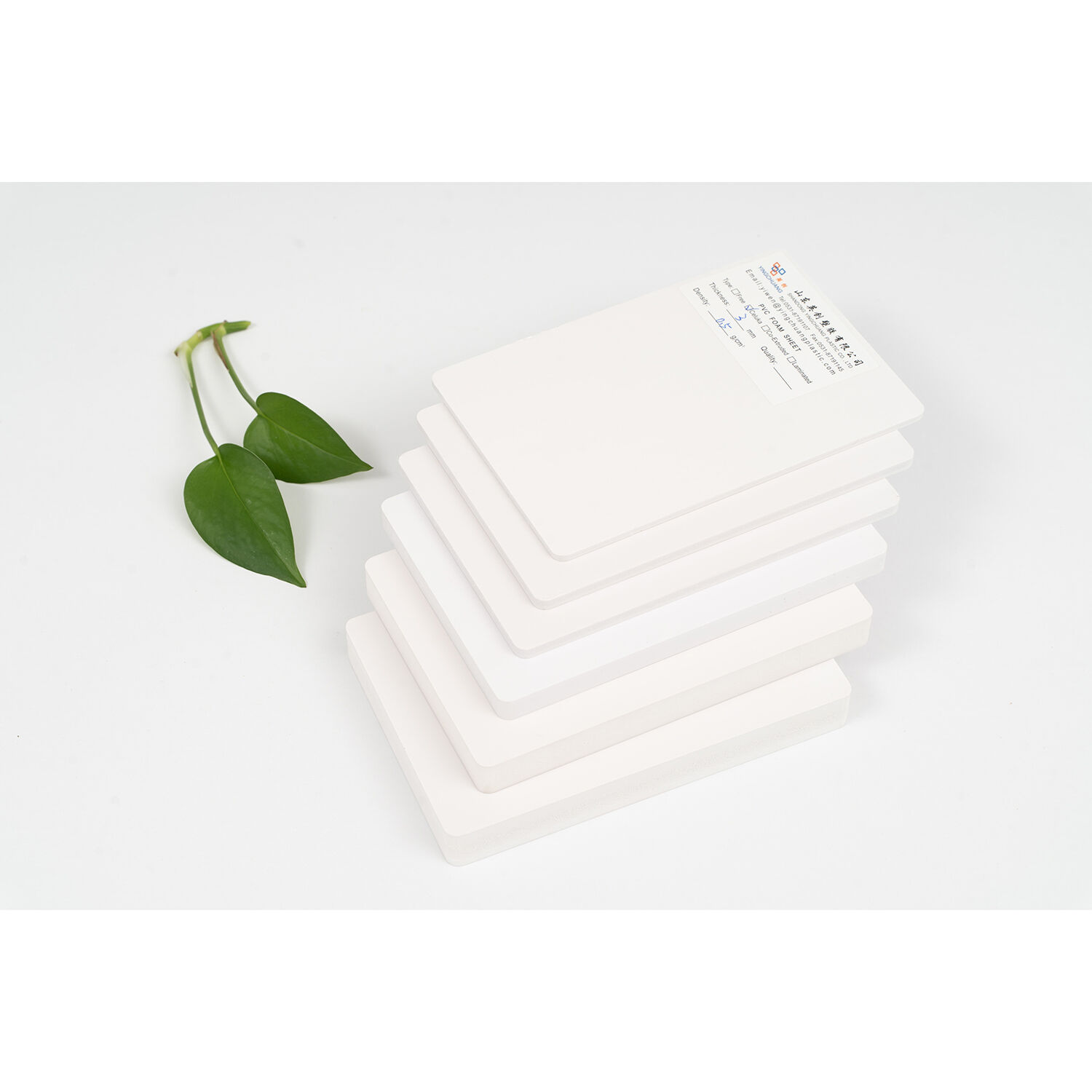
Selecting the right substrate material for signage, display systems, and interior applications requires understanding the specific characteristics, performance standards, and quality indicators that define professional-grade products. For businesses seeking durable, lightweight, and cost-effective solutions, understanding what distinguishes high-quality pvc forex board from inferior alternatives becomes critical to project success. This comprehensive buyer's guide provides industrial buyers, fabricators, and procurement professionals with the technical knowledge and practical criteria needed to make informed purchasing decisions when evaluating pvc forex board suppliers and products.
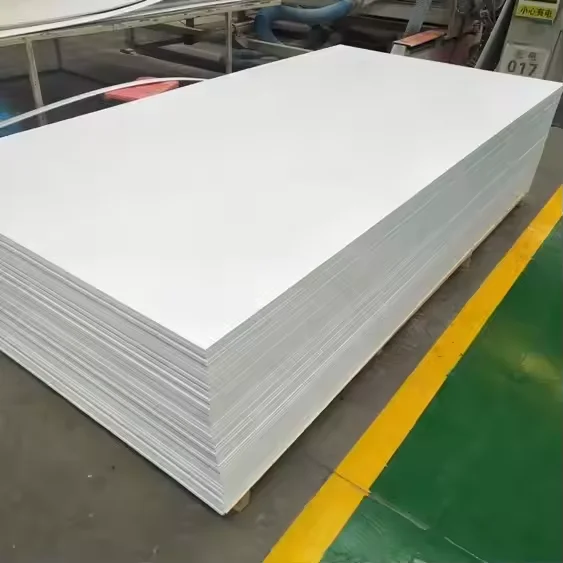
The market for pvc forex board has expanded significantly as industries recognize the material's versatility across printing, construction, advertising, and architectural applications. However, not all pvc forex board products deliver the same performance levels, dimensional stability, or surface quality. Buyers must navigate variations in foam cell structure, density specifications, surface finish standards, and manufacturing processes that directly impact end-use performance. This guide breaks down the essential evaluation criteria, quality benchmarks, and procurement considerations that separate professional-grade pvc forex board from commoditized alternatives, enabling you to specify materials that meet your exact application requirements while optimizing cost efficiency.
Understanding PVC Forex Board Material Composition and Manufacturing Quality
Core Material Structure and Density Classification
The fundamental quality of pvc forex board begins with its cellular structure and density profile. Professional-grade pvc forex board typically features a uniform closed-cell foam structure with density ranging from 0.45 to 0.75 grams per cubic centimeter, depending on the intended application. Higher-density variants provide superior rigidity and screw-holding capacity for structural applications, while lower-density options optimize weight reduction for temporary signage and display systems. When evaluating suppliers, request detailed density specifications and verify consistency across production batches, as density variations directly impact material strength, flatness retention, and printability.
The cellular uniformity within pvc forex board determines surface smoothness and print quality outcomes. Premium manufacturers employ controlled foaming processes that produce consistent cell size distribution throughout the board thickness, eliminating surface irregularities that compromise print resolution or vinyl adhesion. Buyers should examine sample cross-sections under magnification to assess cell structure uniformity, checking for irregular voids, density gradients, or inconsistent foam expansion that indicate substandard manufacturing controls. Consistent cell structure ensures predictable material behavior during cutting, routing, and thermal forming operations.
Raw Material Quality and Formulation Standards
The base PVC resin quality and additive formulation fundamentally determine the long-term performance characteristics of pvc forex board. High-grade formulations incorporate virgin PVC resins combined with precisely calibrated stabilizers, impact modifiers, and processing aids that enhance weatherability, color stability, and mechanical properties. Industrial buyers should inquire about the percentage of virgin versus recycled content, as recycled PVC incorporation can compromise material consistency and durability. Premium pvc forex board manufacturers maintain strict raw material specifications and conduct regular quality testing to ensure formulation consistency across production runs.
Additive packages within pvc forex board formulations directly influence outdoor durability and color retention. UV stabilizers protect against photodegradation and yellowing when boards are exposed to sunlight, particularly critical for exterior signage applications. Impact modifiers enhance fracture resistance and low-temperature performance, preventing brittleness in cold-climate installations. When comparing suppliers, request technical data sheets specifying additive types and concentrations, and consider conducting accelerated weathering tests on samples to verify claimed outdoor durability performance before committing to large-volume purchases.
Manufacturing Process Control and Quality Assurance
The production methodology employed for pvc forex board significantly impacts dimensional stability, surface quality, and overall consistency. Advanced manufacturers utilize precision extrusion systems with multi-zone temperature controls and calibrated cooling systems that ensure uniform foam expansion and minimize internal stress formation. Post-extrusion conditioning processes, including controlled cooling cycles and stress-relief treatments, prevent warping and dimensional changes during storage or processing. Buyers should evaluate manufacturer certifications such as ISO 9001 quality management systems and request process control documentation demonstrating consistent production parameters.
Surface finish quality on pvc forex board directly affects downstream processing efficiency and finished appearance. Premium boards feature smooth, defect-free surfaces with minimal orange peel texture, tight thickness tolerances typically within plus-or-minus 5 percent, and excellent flatness retention. Inspect sample boards for surface defects including pinholes, contamination marks, color streaking, or density variations visible as surface irregularities. Manufacturers with rigorous quality control implement automated inspection systems and conduct regular dimensional measurements to maintain specification compliance across all production batches.
Critical Performance Specifications for Application-Specific Selection
Dimensional Stability and Flatness Requirements
Dimensional stability represents a critical performance parameter when selecting pvc forex board for precision applications such as digital printing substrates or architectural paneling systems. High-quality pvc forex board maintains dimensional consistency across temperature variations and humidity fluctuations, exhibiting minimal expansion or contraction that could compromise print registration or installation tolerances. Technical specifications should include thermal expansion coefficients typically ranging from 50 to 70 micrometers per meter per degree Celsius, allowing accurate prediction of dimensional behavior in varying environmental conditions.
Flatness tolerance specifications ensure that pvc forex board remains suitable for automated feeding systems and precision printing equipment. Professional-grade boards typically maintain flatness within 3 millimeters deviation across a standard 1220 by 2440 millimeter sheet, preventing feeding issues in flatbed printers or lamination systems. Evaluate flatness immediately upon receiving sample shipments and after storage periods to assess dimensional stability over time. Boards exhibiting warping, bowing, or edge curling indicate inadequate stress relief during manufacturing or inappropriate storage conditions that compromise material quality.
Surface Energy and Print Adhesion Properties
The surface chemistry of pvc forex board directly influences ink adhesion, vinyl bonding performance, and coating durability. Premium boards maintain surface energy levels between 38 and 42 dynes per centimeter, providing optimal conditions for UV-cured inks, solvent-based inks, and pressure-sensitive vinyl adhesives. Insufficient surface energy results in poor ink wetting, adhesion failures, and premature graphic delamination. Buyers should request surface energy test data using standardized test inks or contact angle measurements to verify adhesion compatibility with their specific printing or laminating processes.
Surface contamination from mold release agents or processing additives can compromise print quality on pvc forex board despite adequate surface energy levels. Quality manufacturers implement clean production environments and controlled additive migration to minimize surface contamination. Conduct adhesion testing by applying sample prints or vinyl graphics to test boards, then performing tape adhesion tests according to ASTM D3359 standards. Evaluate both immediate adhesion and aged adhesion after environmental conditioning to ensure long-term graphic durability on the selected pvc forex board product.
Mechanical Strength and Impact Resistance
Mechanical performance requirements for pvc forex board vary significantly based on application demands, from lightweight temporary signage requiring minimal structural integrity to architectural applications demanding substantial load-bearing capacity. Key mechanical specifications include flexural strength typically ranging from 15 to 35 megapascals, tensile strength between 20 and 45 megapascals, and impact resistance measured through standardized drop-weight or pendulum impact tests. Higher-density pvc forex board formulations deliver superior mechanical properties suitable for structural applications, while lower-density variants optimize weight reduction for applications prioritizing portability.
Impact resistance becomes particularly critical for pvc forex board used in high-traffic environments, transportation applications, or outdoor installations subject to wind loading or physical contact. Quality boards maintain structural integrity under impact loading without shattering or developing surface cracks that compromise appearance and weatherability. Request Charpy or Izod impact test data from suppliers and consider conducting field simulation tests that replicate actual installation conditions. Evaluate both room-temperature and cold-temperature impact performance, as many foam materials exhibit increased brittleness at low temperatures that may not be apparent in standard ambient testing.
Supplier Evaluation Criteria and Quality Verification Methods
Manufacturing Capacity and Supply Chain Reliability
Assessing supplier manufacturing capacity and supply chain stability proves essential when establishing long-term pvc forex board procurement relationships. Evaluate production volumes, equipment redundancy, raw material sourcing strategies, and inventory management practices that affect delivery reliability and order fulfillment consistency. Suppliers with multiple production lines and diversified raw material sources demonstrate greater resilience against supply disruptions compared to single-line operations dependent on limited supplier relationships. Request facility tours or detailed capability statements documenting production capacity, quality control systems, and logistics infrastructure.
Supply chain transparency regarding pvc forex board manufacturing enables better quality prediction and risk management. Inquire about raw material traceability systems, supplier qualification processes, and incoming material testing protocols that ensure consistent feedstock quality. Manufacturers maintaining detailed batch records and material certifications provide greater accountability and enable rapid problem resolution if quality issues emerge. Establish clear communication channels with technical support personnel who can address application-specific questions and provide material selection guidance based on your exact requirements.
Technical Support and Application Development Services
Comprehensive technical support differentiates professional pvc forex board suppliers from commodity material distributors. Leading manufacturers provide application development assistance including material selection guidance, processing parameter optimization, and troubleshooting support for specific fabrication challenges. Access to technical data sheets, processing guidelines, and application case studies enables more successful material implementation and reduces trial-and-error costs during new product development. Evaluate supplier responsiveness to technical inquiries and willingness to provide sample materials for application testing before finalizing supplier relationships.
Application-specific testing services offered by pvc forex board manufacturers provide valuable validation of material performance under actual use conditions. Services may include custom print adhesion testing, weathering simulation, chemical resistance evaluation, or mechanical performance assessment tailored to your specific application requirements. Suppliers investing in comprehensive testing capabilities demonstrate commitment to customer success and material performance validation. Request information about available testing services and typical turnaround times for custom evaluation programs when comparing potential suppliers.
Quality Documentation and Certification Standards
Comprehensive quality documentation from pvc forex board suppliers provides essential verification of material consistency and performance capabilities. Request certificates of analysis for each production batch detailing key specifications including density, thickness, color values, and mechanical properties. Suppliers maintaining ISO 9001 quality management certification demonstrate systematic approach to process control and continuous improvement. Additional certifications such as REACH compliance for European markets or specific fire-rating certifications for building applications may be required depending on your geographic location and application sector.
Third-party testing and certification provide independent validation of pvc forex board performance claims. Look for products tested according to recognized standards such as ASTM International specifications for rigid cellular plastics or regional building code requirements for interior finish materials. Independent test reports from accredited laboratories carry greater credibility than manufacturer self-certification and provide defensible documentation for quality assurance records. Establish clear quality acceptance criteria in purchase agreements and retain the right to conduct incoming inspection testing to verify specification compliance.
Cost Analysis and Total Value Assessment for PVC Forex Board Procurement
Price-Performance Relationship and Hidden Cost Factors
Effective pvc forex board procurement requires understanding the relationship between purchase price and total cost of ownership across the product lifecycle. While initial material cost represents an obvious expense component, hidden costs including processing waste, rework rates, product failures, and customer complaints often exceed savings achieved through low-price purchasing strategies. Premium pvc forex board commanding higher unit prices frequently delivers superior processing efficiency, reduced waste generation, and better end-product performance that lowers total project costs despite elevated material expense.
Processing efficiency differences between pvc forex board quality grades significantly impact labor costs and production throughput. High-quality boards with superior dimensional stability and consistent properties enable faster setup times, reduced machine adjustments, and lower rejection rates during cutting, printing, and finishing operations. Calculate the fully loaded cost per finished unit including material cost, processing time, waste generation, and quality-related rework to accurately compare supplier options. Request sample quantities sufficient for realistic production trials that reveal actual processing performance rather than relying solely on technical specifications or supplier claims.
Volume Pricing Structures and Contract Negotiation Strategies
Understanding pvc forex board pricing structures and negotiation leverage points enables more favorable procurement terms. Manufacturers typically offer tiered pricing based on order quantities, with significant price breaks occurring at container-load volumes or annual commitment levels. Consolidating purchases with fewer suppliers increases volume leverage and may unlock preferential pricing, priority allocation during supply constraints, and enhanced technical support. However, maintaining multiple qualified suppliers provides supply security and competitive tension that prevents complacency in supplier relationships.
Long-term supply agreements for pvc forex board can provide price stability and guaranteed availability in exchange for volume commitments. Negotiate agreements incorporating price adjustment mechanisms tied to raw material indices rather than fixed pricing that may become uncompetitive as market conditions change. Include quality performance requirements, delivery reliability metrics, and technical support commitments in formal agreements to ensure comprehensive value delivery beyond price considerations. Establish regular business reviews with key suppliers to assess performance against agreement terms and identify continuous improvement opportunities.
Inventory Management and Just-in-Time Delivery Considerations
Optimizing pvc forex board inventory levels balances carrying costs against stockout risks and rush-order premiums. Calculate economic order quantities considering purchase price breaks, freight costs, storage expenses, and working capital requirements. Larger inventory positions reduce per-unit costs through volume discounts and consolidated freight while increasing carrying costs and obsolescence risk. Smaller, more frequent orders minimize inventory investment but may incur premium pricing and elevated freight expenses that erode total cost advantages.
Just-in-time delivery programs offered by some pvc forex board suppliers enable inventory reduction while maintaining material availability. Evaluate supplier capabilities for scheduled deliveries, consignment inventory arrangements, or vendor-managed inventory programs that shift carrying costs to the supplier while ensuring material availability for production requirements. Effective just-in-time programs require reliable supplier performance, accurate demand forecasting, and strong communication systems that prevent disruptions. Start with partial implementation covering high-volume pvc forex board grades while maintaining safety stock for critical low-volume materials until supplier reliability is proven.
FAQ
What thickness range of pvc forex board is most commonly specified for signage applications?
The most commonly specified pvc forex board thicknesses for signage applications range from 3 millimeters to 10 millimeters, with 3 millimeter and 5 millimeter boards dominating the market due to their optimal balance of rigidity, weight, and cost efficiency. Thinner 3 millimeter boards suit temporary indoor signage, point-of-purchase displays, and applications prioritizing light weight and economy. Medium thickness 5 millimeter to 6 millimeter boards provide enhanced rigidity for larger format signs, outdoor applications requiring greater wind resistance, and installations demanding improved dimensional stability. Thicker 10 millimeter options serve architectural applications, dimensional lettering, and structural uses requiring maximum rigidity and screw-holding capacity. Select thickness based on sign dimensions, mounting method, environmental exposure, and expected service life rather than defaulting to minimum thickness options that may compromise performance.
How can buyers verify the actual density of pvc forex board against supplier specifications?
Buyers can verify pvc forex board density through simple measurement and calculation methods that provide accurate validation of supplier specifications. Cut a precise sample measuring exactly 100 millimeters by 100 millimeters using calibrated cutting equipment, then measure the exact thickness using a micrometer or digital caliper at multiple points to calculate average thickness. Weigh the sample using a precision scale accurate to at least 0.01 grams. Calculate density by dividing the sample weight in grams by the volume in cubic centimeters, which equals length times width times average thickness. Compare the calculated density against supplier specifications, accepting variations within plus-or-minus 5 percent as normal production tolerance. Density measurements should be conducted on samples from multiple board locations and across different production batches to assess consistency. Significant density variations or consistent deviations from specifications indicate quality control issues requiring supplier investigation.
What are the critical storage conditions required to maintain pvc forex board quality before fabrication?
Proper storage conditions are essential to maintain pvc forex board dimensional stability and surface quality before fabrication. Store boards horizontally in flat stacks on level surfaces with full-length support to prevent sagging or warping, limiting stack height to avoid compression deformation of bottom sheets. Maintain storage environments between 15 and 25 degrees Celsius with relative humidity between 40 and 60 percent, avoiding temperature extremes or rapid fluctuations that cause dimensional changes or internal stress development. Protect boards from direct sunlight exposure that can cause localized heating, surface degradation, or color shifts. Allow boards to acclimate to processing environment temperature for at least 24 hours before fabrication to minimize dimensional changes during cutting or printing operations. Keep boards in original protective packaging until immediately before use to prevent surface contamination or mechanical damage. Rotate inventory using first-in-first-out principles to prevent extended storage that may allow additive migration or property changes over time.
Can pvc forex board be recycled at end of life and how does recyclability affect purchasing decisions?
PVC forex board is technically recyclable through mechanical reprocessing into lower-grade PVC products, though practical recycling options vary significantly by geographic region and local recycling infrastructure availability. The material can be ground into flakes, cleaned, and reprocessed into products accepting recycled content such as traffic cones, construction accessories, or lower-grade foam boards. However, contamination from inks, adhesives, or mixed materials complicates recycling and may render some used boards unsuitable for material recovery. Some manufacturers operate take-back programs accepting clean production scrap for reprocessing into new products. For buyers prioritizing environmental sustainability, investigate whether suppliers use recycled content in their pvc forex board formulations and whether post-consumer recycling options exist in your market. Consider lifecycle environmental impacts beyond recyclability including material durability that extends service life, reduced transportation impacts from lightweight construction, and energy efficiency during manufacturing. Document environmental criteria in procurement specifications and request environmental product declarations or lifecycle assessment data from suppliers to support sustainable purchasing objectives while balancing performance and cost requirements.
Table of Contents
- Understanding PVC Forex Board Material Composition and Manufacturing Quality
- Critical Performance Specifications for Application-Specific Selection
- Supplier Evaluation Criteria and Quality Verification Methods
- Cost Analysis and Total Value Assessment for PVC Forex Board Procurement
-
FAQ
- What thickness range of pvc forex board is most commonly specified for signage applications?
- How can buyers verify the actual density of pvc forex board against supplier specifications?
- What are the critical storage conditions required to maintain pvc forex board quality before fabrication?
- Can pvc forex board be recycled at end of life and how does recyclability affect purchasing decisions?