
 EN
EN
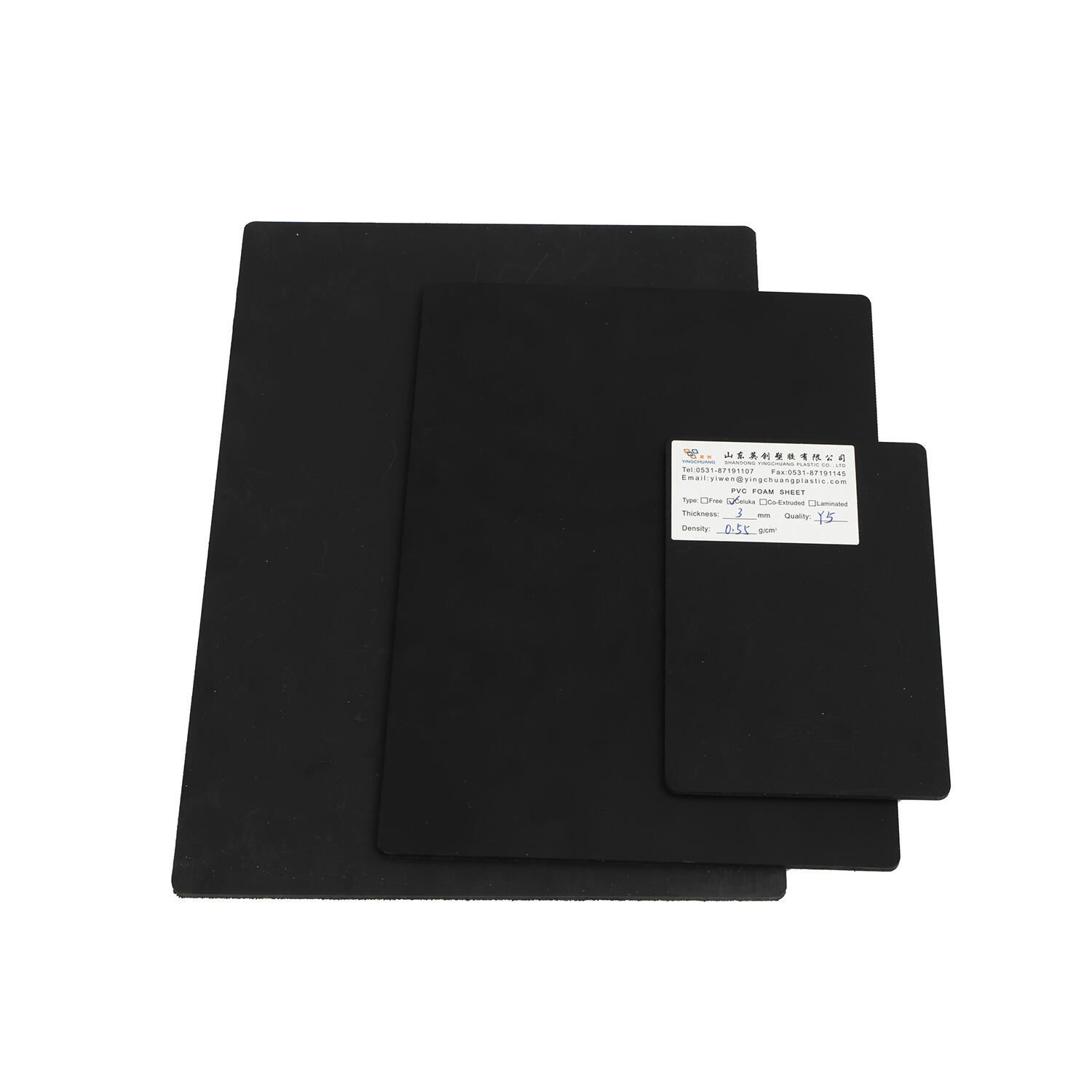
The versatility and durability of pvc foam sheet materials have made them essential components across numerous industries, from construction and signage to marine applications and interior design. Understanding the various sizes available in the market is crucial for making informed purchasing decisions that align with your specific project requirements. This comprehensive guide explores the standard dimensions, custom sizing options, and practical considerations when selecting pvc foam sheet products for your applications.
Modern manufacturing processes have enabled the production of pvc foam sheet materials in an extensive range of sizes, accommodating everything from small-scale craft projects to large commercial installations. The standardization of certain dimensions has streamlined procurement processes while maintaining the flexibility to accommodate specialized requirements through custom manufacturing.
Standard PVC Foam Sheet Dimensions
Common Sheet Sizes in the Market
The most prevalent pvc foam sheet dimensions found in the market include 4x8 feet sheets, which translate to 1220x2440mm in metric measurements. These standard sizes have become industry benchmarks due to their practical handling characteristics and efficient material utilization. The 4x8 foot format provides sufficient coverage for most applications while remaining manageable for transportation and installation purposes.
Other frequently available sizes include 4x4 feet squares, 4x6 feet rectangles, and 3x6 feet panels. These alternative dimensions cater to specific applications where the full 4x8 sheet would result in excessive waste or prove unwieldy for the intended use. Manufacturers have recognized the importance of offering these varied sizes to meet diverse customer needs efficiently.
Thickness Variations and Applications
Thickness represents another critical dimension parameter for pvc foam sheet selection. Standard thickness options typically range from 1mm to 25mm, with some specialty applications requiring even thicker materials. The 3mm thickness has gained particular popularity for signage applications, offering an optimal balance between structural integrity and workability.
Thinner pvc foam sheet materials, such as 1mm and 2mm variants, excel in applications requiring flexibility and conformability. These thinner sheets prove ideal for wrapping curved surfaces or creating lightweight display materials. Conversely, thicker options ranging from 10mm to 25mm provide enhanced structural support for construction applications and heavy-duty installations.
Custom Sizing Options and Considerations
Tailored Dimensions for Specific Projects
Many manufacturers offer custom sizing services for pvc foam sheet products, recognizing that standard dimensions may not always align with project specifications. Custom sizing capabilities typically accommodate both smaller and larger dimensions than standard offerings, depending on manufacturing equipment limitations and minimum order quantities.
When considering custom sizing, lead times become an important factor in project planning. Custom pvc foam sheet production often requires 2-4 weeks additional processing time compared to standard inventory items. This extended timeline necessitates early planning and clear communication with suppliers regarding delivery schedules.
Economic Implications of Custom Sizing
Custom sizing typically involves additional costs compared to standard pvc foam sheet dimensions. These costs stem from specialized tooling requirements, modified production runs, and reduced manufacturing efficiency. However, the investment in custom sizing often proves economically justified when it eliminates material waste or reduces labor costs associated with cutting standard sheets to size.
Volume considerations play a significant role in custom sizing economics. Larger quantity orders can help distribute the additional setup costs across more units, making custom dimensions more cost-effective. Buyers should carefully evaluate whether the benefits of custom sizing outweigh the associated premium costs for their specific applications.

Application-Specific Size Requirements
Signage and Display Applications
Signage applications often dictate specific pvc foam sheet size requirements based on visibility needs and mounting constraints. Outdoor signage typically requires larger dimensions to ensure readability from appropriate distances, while indoor displays may utilize smaller, more manageable sizes that integrate seamlessly with existing fixtures and displays.
The modular nature of many signage systems influences size selection, with pvc foam sheet dimensions chosen to complement standard frame sizes and mounting hardware. This compatibility ensures efficient installation processes and maintains aesthetic consistency across multi-panel displays and signage systems.
Construction and Architecture Uses
Construction applications for pvc foam sheet materials often require larger dimensions to minimize seams and joints in finished installations. Wall cladding applications frequently utilize the maximum available sheet sizes to create continuous surfaces with fewer visible connections. These larger sheets also reduce installation labor by covering more area per panel.
Architectural applications may specify pvc foam sheet sizes based on building modularity and design aesthetics. The integration of these materials into building facades requires careful coordination between sheet dimensions and structural grid systems to ensure proper alignment and support.
Selection Criteria and Best Practices
Evaluating Project Requirements
Successful pvc foam sheet size selection begins with thorough project analysis and requirement documentation. This evaluation should consider the finished installation dimensions, handling constraints, transportation limitations, and waste minimization objectives. Understanding these parameters enables informed decisions that optimize both material costs and installation efficiency.
Installation methodology significantly influences size selection decisions. Projects requiring field cutting and fitting may benefit from slightly oversized pvc foam sheet materials, while prefabricated installations typically require precise dimensional matching. The available cutting and fabrication equipment also impacts the feasible size ranges for processing.
Quality and Specification Matching
Beyond dimensional considerations, pvc foam sheet selection must account for material specifications and quality requirements. Different sizes may exhibit varying characteristics due to manufacturing processes, with larger sheets potentially showing more dimensional variation or different surface quality attributes compared to smaller counterparts.
Specification documents should clearly define acceptable tolerances for pvc foam sheet dimensions, ensuring that delivered materials meet project requirements. These tolerances become particularly critical for applications requiring precise fitting or integration with other building components.
Procurement and Supply Chain Considerations
Inventory Management and Lead Times
Standard pvc foam sheet sizes typically enjoy better availability and shorter lead times compared to custom dimensions. This availability advantage makes standard sizes attractive for projects with tight timelines or those requiring rapid material replenishment during construction phases.
Supply chain planning should account for the storage and handling requirements associated with different pvc foam sheet sizes. Larger sheets require appropriate storage facilities and handling equipment, while smaller sizes offer greater flexibility in warehouse operations but may result in higher per-square-foot costs.
Transportation and Logistics
Transportation constraints often influence practical size limitations for pvc foam sheet procurement. Standard shipping containers and truck configurations accommodate specific maximum dimensions, making certain sizes more economical to transport than others. These logistical considerations become particularly important for projects in remote locations or those requiring specialized delivery arrangements.
International shipping regulations may impose additional size restrictions on pvc foam sheet materials, particularly for air freight or specialized transportation modes. Understanding these limitations early in the procurement process helps avoid delays and additional costs associated with size-related shipping complications.
FAQ
What are the most common pvc foam sheet sizes available in the market
The most widely available pvc foam sheet sizes include 4x8 feet (1220x2440mm), 4x4 feet, and 4x6 feet dimensions. The 4x8 foot size has become the industry standard due to its practical handling characteristics and efficient material utilization across various applications.
Can pvc foam sheet materials be ordered in custom sizes
Yes, many manufacturers offer custom sizing services for pvc foam sheet products. Custom dimensions typically require longer lead times of 2-4 weeks and may involve additional costs, but they can eliminate material waste and reduce labor costs for specific applications.
How does thickness affect pvc foam sheet size availability
Thickness variations from 1mm to 25mm are commonly available across standard pvc foam sheet sizes. However, very thick materials may have size limitations due to manufacturing constraints, while thinner sheets often offer greater size flexibility and custom dimension options.
What factors should be considered when selecting pvc foam sheet sizes
Key factors include project requirements, installation methodology, transportation constraints, handling capabilities, waste minimization goals, and cost considerations. The balance between material efficiency and practical limitations typically determines the optimal size selection for specific applications.