
 EN
EN
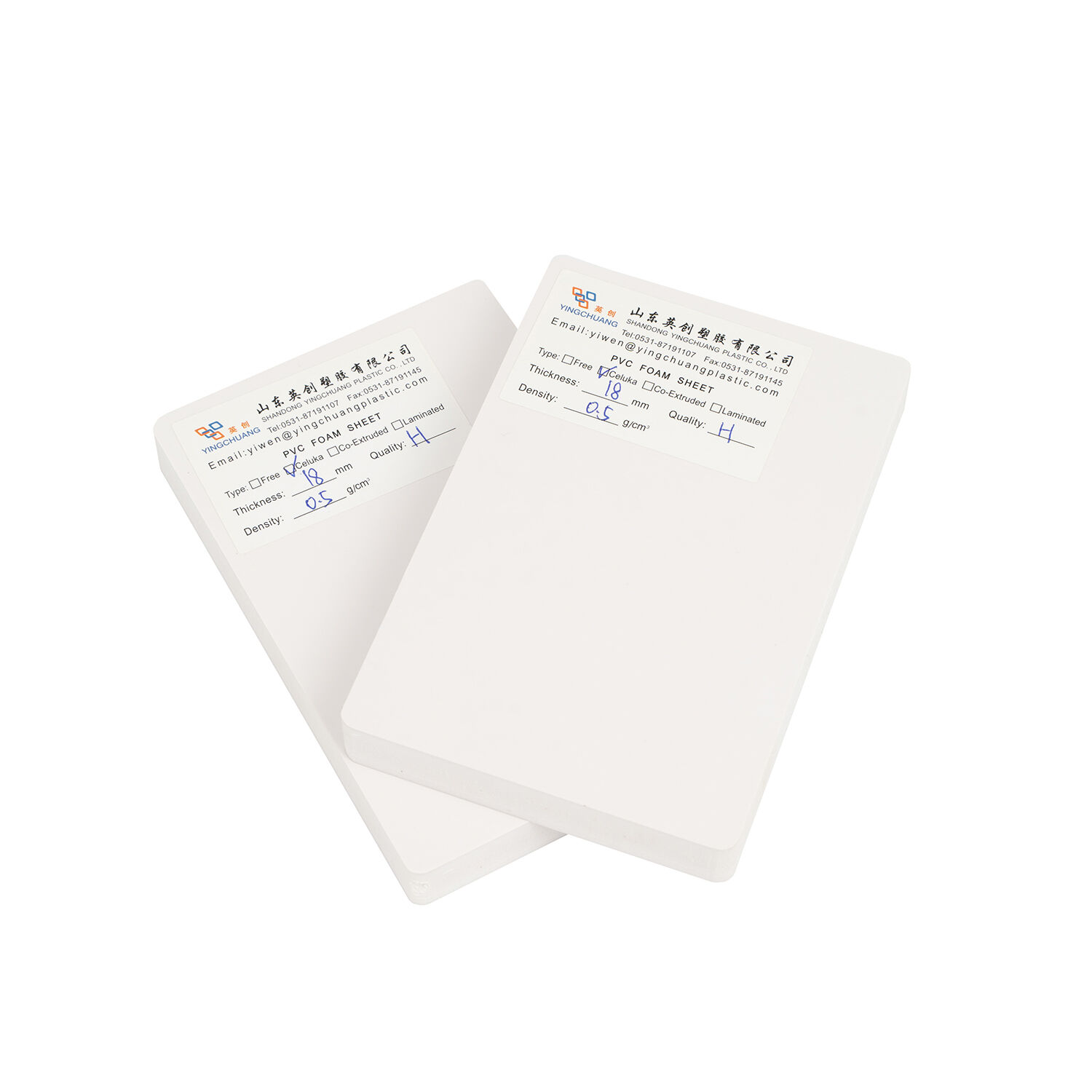
Working with PVC foam sheet material requires precision, proper tools, and understanding of the unique characteristics that make this versatile substrate ideal for countless applications. Whether you're fabricating signage, creating architectural elements, or building custom displays, mastering the cutting and installation techniques for pvc foam sheet will ensure professional results every time. This comprehensive guide explores proven methods, essential tools, and expert techniques that professionals rely on to achieve clean cuts and secure installations across various project requirements.
Essential Tools for PVC Foam Sheet Cutting
Professional Cutting Equipment Selection
Selecting appropriate cutting tools significantly impacts the quality and efficiency of your pvc foam sheet projects. Professional fabricators rely on specific equipment designed to handle the cellular structure of foam sheets without causing delamination or rough edges. Circular saws equipped with fine-tooth blades excel at straight cuts, while routers provide excellent results for curved profiles and decorative edges.
Table saws offer superior accuracy for repetitive cuts and large panel processing. The key lies in maintaining sharp blades and appropriate feed rates to prevent melting or chip-out. Band saws work exceptionally well for intricate shapes and tight radius curves, providing smooth finishes that require minimal post-processing. Hot knife cutters represent another valuable option, particularly for thicker pvc foam sheet materials where clean sealed edges are essential.
Blade Specifications and Configuration
Blade selection directly influences cut quality and tool life when working with pvc foam sheet materials. Fine-tooth carbide blades with 80 to 100 teeth per inch deliver optimal results for most applications. These blades minimize heat buildup while producing smooth, chip-free edges that enhance the professional appearance of finished projects.
Triple-chip grind blade geometries excel at cutting pvc foam sheet because they efficiently clear material while maintaining edge integrity. Negative hook angles between -5 and 0 degrees reduce aggressive feeding and prevent grabbing, which can cause surface damage or dimensional inaccuracies. Regular blade maintenance and replacement ensure consistent performance throughout extended production runs.
Cutting Techniques for Different Thicknesses
Thin Sheet Processing Methods
Thin pvc foam sheet materials, typically ranging from 1mm to 6mm thickness, require specialized handling techniques to prevent flexing and ensure accurate cuts. Support systems become critical when processing these materials, as inadequate backing can result in wavy cuts or material distortion. Vacuum hold-down systems or sacrificial backing boards provide necessary stability during cutting operations.
Scoring and snap techniques work effectively for straight cuts in thin pvc foam sheet applications. Sharp utility knives or scoring wheels create controlled break lines that produce clean edges when properly executed. Multiple light passes prove more effective than single deep scores, reducing the risk of overcuts or uneven break patterns that compromise project quality.
Heavy Gauge Sheet Cutting Strategies
Thick pvc foam sheet materials, exceeding 12mm in thickness, demand different approaches to achieve professional results. Slower feed rates and multiple pass techniques prevent overheating while maintaining cut quality. Router-based cutting systems excel with heavy gauge materials, offering precise control over feed rates and cutting depths.
CNC routing represents the gold standard for complex shapes in thick pvc foam sheet applications. Computer-controlled accuracy ensures repeatability while advanced toolpath strategies minimize tool marks and surface irregularities. Climb cutting techniques, when properly implemented, reduce fuzzing and improve edge quality compared to conventional cutting methods.
Surface Preparation and Installation Planning
Substrate Assessment and Preparation
Proper surface preparation forms the foundation of successful pvc foam sheet installations. Clean, dry, and structurally sound substrates ensure optimal adhesion and long-term performance. Surface contaminants, including oils, dust, and previous coatings, must be completely removed before beginning installation procedures.
Surface profiling techniques enhance mechanical bonding between pvc foam sheet materials and their mounting substrates. Light sanding with 120-grit abrasives creates microscopic texture that improves adhesive performance without compromising structural integrity. Primer application may be necessary on certain substrates to achieve maximum bond strength and environmental resistance.
Layout and Measurement Protocols
Accurate layout and measurement procedures prevent costly errors and material waste during pvc foam sheet installations. Professional installers utilize laser levels and precision measuring tools to establish reference points and ensure proper alignment throughout the project. Chalk lines and temporary guides assist in maintaining straight edges and consistent spacing across large installations.
Expansion considerations play a crucial role in layout planning, particularly for exterior applications where temperature variations affect dimensional stability. Calculated gaps and flexible joint systems accommodate thermal movement while maintaining aesthetic continuity. Documentation of measurements and layout decisions facilitates future maintenance and modification requirements.
Adhesive Selection and Application Methods
Structural Adhesive Systems
Choosing appropriate adhesives ensures reliable bonding between pvc foam sheet materials and various substrates. Structural acrylics provide excellent strength and weather resistance for demanding applications. These adhesives cure quickly and maintain flexibility, accommodating slight movements without bond failure.
Polyurethane-based adhesives offer superior elasticity and gap-filling properties, making them ideal for irregular surfaces or applications requiring vibration resistance. Epoxy systems deliver maximum strength for permanent installations where high loads or environmental stresses are anticipated. Each adhesive type requires specific surface preparation and application techniques to achieve optimal performance with pvc foam sheet materials.
Application Techniques and Coverage Patterns
Proper adhesive application techniques directly impact bond strength and installation success. Uniform coverage patterns ensure consistent adhesion across the entire pvc foam sheet surface. Notched trowel applications provide controlled adhesive thickness while eliminating air pockets that can compromise bond integrity.
Temperature and humidity conditions significantly affect adhesive performance during pvc foam sheet installations. Optimal working conditions typically range from 65 to 75 degrees Fahrenheit with relative humidity below 60 percent. Working time limitations require careful planning and efficient execution to complete installations before adhesive begins to cure.
Mechanical Fastening Solutions
Fastener Selection Criteria
Mechanical fasteners provide reliable attachment methods for pvc foam sheet installations where removability or extreme loads are factors. Stainless steel fasteners resist corrosion and maintain strength over extended service periods. Self-tapping screws with wide heads distribute loads effectively while minimizing stress concentrations around fastener locations.
Specialized fasteners designed for foam materials incorporate features that prevent over-compression and material damage. Washer systems spread loads across broader areas, preventing pull-through failures in pvc foam sheet applications. Thread patterns optimized for cellular materials ensure secure engagement without generating excessive installation torques.
Installation Patterns and Spacing
Strategic fastener placement maximizes holding power while minimizing visible attachment points in pvc foam sheet installations. Edge distances and spacing requirements vary based on material thickness, environmental conditions, and load requirements. Professional installers follow manufacturer guidelines while adapting patterns to specific project needs.
Pre-drilling techniques prevent cracking and ensure accurate fastener placement in pvc foam sheet materials. Pilot hole diameters slightly smaller than fastener core diameters provide optimal thread engagement. Countersinking operations create flush surfaces while maintaining material integrity around fastener heads.
Edge Finishing and Sealing Techniques
Professional Edge Treatment Methods
Edge finishing techniques enhance both appearance and durability of pvc foam sheet installations. Router-based edge profiling creates professional radiused or chamfered edges that improve safety and aesthetics. Template systems ensure consistent profiles across multiple pieces while reducing setup time for repetitive operations.
Heat polishing techniques smooth cut edges and create sealed surfaces that resist moisture infiltration. Controlled application of heated air or contact methods melts surface irregularities without affecting core structure. This process proves particularly valuable for pvc foam sheet applications in high-humidity environments or exterior installations.
Sealing and Weatherproofing Solutions
Proper sealing extends service life and maintains appearance in pvc foam sheet installations exposed to environmental conditions. Silicone-based sealants provide excellent adhesion and flexibility for joint sealing applications. These materials accommodate thermal movement while preventing water infiltration that could compromise installation integrity.
Structural glazing compounds offer superior strength for applications requiring both sealing and structural support. These materials bond chemically with pvc foam sheet surfaces, creating permanent weatherproof barriers. Application techniques require careful attention to cure times and environmental conditions to achieve optimal performance.
Quality Control and Inspection Procedures
Cut Quality Assessment Standards
Establishing quality standards ensures consistent results across pvc foam sheet cutting operations. Edge smoothness, dimensional accuracy, and surface finish characteristics define acceptable quality levels. Measurement protocols using precision instruments verify that cuts meet project specifications and industry standards.
Visual inspection procedures identify potential issues before they affect installation quality. Checking for chips, burns, or dimensional variations allows for corrective actions during fabrication stages. Documentation of quality metrics facilitates process improvements and helps maintain consistent standards throughout production runs.
Installation Verification Protocols
Systematic inspection procedures verify that pvc foam sheet installations meet design requirements and performance expectations. Bond line inspection ensures complete adhesive coverage and proper curing. Fastener torque verification confirms secure attachment without over-tightening that could damage materials.
Dimensional verification using precise measuring instruments ensures that installed pvc foam sheet components align with project specifications. Gap measurements, surface flatness, and alignment tolerances must fall within acceptable ranges. Final inspections document compliance with quality standards and provide baseline references for future maintenance activities.
FAQ
What blade type works best for cutting pvc foam sheet materials
Fine-tooth carbide blades with 80 to 100 teeth per inch deliver optimal results when cutting pvc foam sheet materials. Triple-chip grind geometry with negative hook angles between -5 and 0 degrees prevents aggressive feeding while producing smooth, chip-free edges. Regular blade maintenance ensures consistent performance throughout extended cutting operations.
How do I prevent melting when cutting thick pvc foam sheet
Preventing melting requires controlling cutting speed and heat generation during pvc foam sheet processing. Use slower feed rates with sharp blades to reduce friction and heat buildup. Multiple light passes work better than single deep cuts, and adequate chip evacuation prevents heat accumulation in the cutting zone. Consider using cutting fluids or compressed air cooling for particularly thick materials.
What adhesive provides the strongest bond for pvc foam sheet installations
Structural acrylic adhesives typically provide the strongest bonds for pvc foam sheet installations while maintaining weather resistance and flexibility. Epoxy systems offer maximum strength for permanent installations under high loads, while polyurethane adhesives excel in applications requiring elasticity and gap-filling capabilities. Surface preparation significantly impacts bond strength regardless of adhesive selection.
Can pvc foam sheet be installed in outdoor environments
Yes, pvc foam sheet materials perform excellently in outdoor environments when properly installed with appropriate sealing and fastening systems. UV-resistant formulations maintain color stability and mechanical properties under extended sun exposure. Proper edge sealing and drainage provisions prevent moisture infiltration while thermal expansion considerations ensure long-term dimensional stability in varying weather conditions.