
 EN
EN
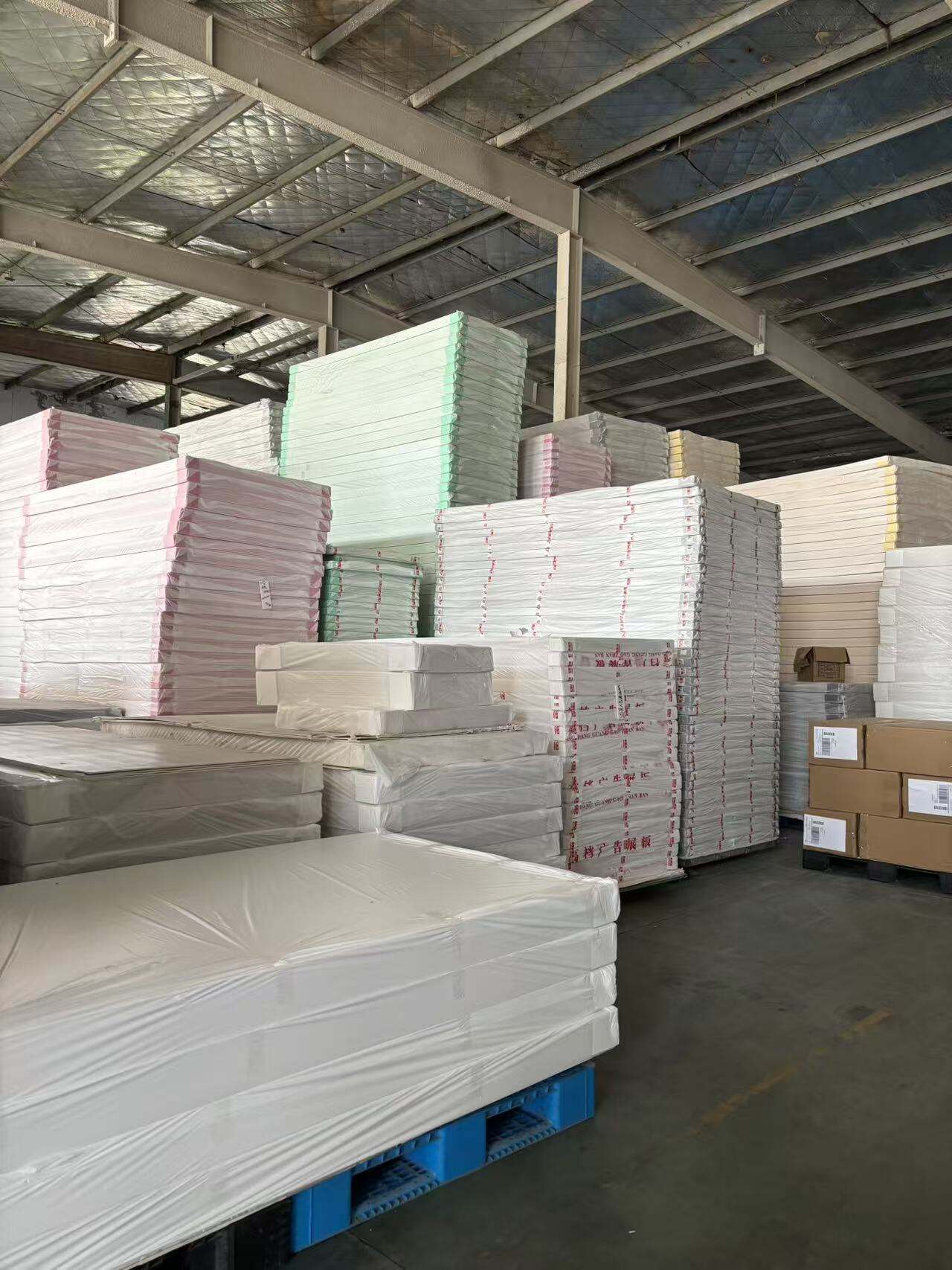
Modern construction projects demand materials that combine durability, versatility, and cost-effectiveness. The pvc foam sheet has emerged as a revolutionary building material that addresses these critical requirements while offering exceptional performance across diverse applications. This lightweight yet robust material provides construction professionals with an innovative solution for both interior and exterior projects. The growing adoption of pvc foam sheet in commercial and residential construction reflects its superior characteristics and ability to meet stringent industry standards. Construction teams worldwide have discovered that incorporating this advanced material into their projects results in enhanced efficiency, reduced costs, and improved long-term performance.
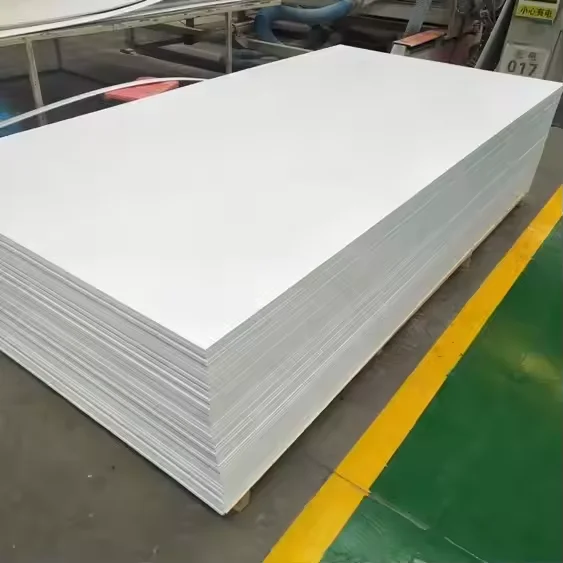
Material Properties and Composition
Chemical Structure and Durability
The pvc foam sheet consists of polyvinyl chloride polymer with a cellular structure that creates exceptional strength-to-weight ratios. This unique composition provides outstanding resistance to moisture, chemicals, and environmental factors that commonly affect traditional building materials. The closed-cell foam structure prevents water absorption, making it ideal for applications where moisture resistance is crucial. Manufacturing processes ensure consistent density throughout the material, eliminating weak points that could compromise structural integrity. The chemical stability of pvc foam sheet means it maintains its properties over decades of exposure to varying weather conditions.
Advanced manufacturing techniques create a uniform cellular structure that distributes stress evenly across the material surface. This results in superior impact resistance compared to solid plastic sheets of similar thickness. The material exhibits excellent dimensional stability, maintaining its shape and size even under temperature fluctuations common in construction environments. Quality control measures during production ensure that each pvc foam sheet meets specific density requirements for optimal performance in structural applications.
Physical Characteristics and Performance
The lightweight nature of pvc foam sheet significantly reduces structural load requirements while maintaining excellent mechanical properties. Typical densities range from 0.3 to 0.8 grams per cubic centimeter, making it substantially lighter than traditional materials like plywood or metal sheeting. This weight advantage translates directly into reduced transportation costs and easier handling during installation. The material exhibits consistent thickness tolerances that ensure predictable performance in precision applications.
Thermal insulation properties of pvc foam sheet contribute to energy efficiency in building envelope applications. The cellular structure creates air pockets that provide effective thermal barriers, reducing heat transfer and improving overall building performance. Sound dampening characteristics make it valuable for applications requiring acoustic control. Surface smoothness and uniformity allow for excellent paint adhesion and finishing options, expanding its aesthetic applications in construction projects.
Construction Applications and Versatility
Structural and Cladding Applications
Construction professionals utilize pvc foam sheet for exterior cladding systems that require long-term weather resistance and minimal maintenance. The material's ability to withstand UV radiation, temperature cycling, and moisture exposure makes it ideal for building facades. Installation systems can accommodate thermal expansion while maintaining weather-tight seals. The smooth surface finish resists dirt accumulation and can be easily cleaned, reducing maintenance requirements over the building lifecycle.
Interior applications benefit from the material's fire-retardant properties and low smoke generation characteristics. Wall paneling systems using pvc foam sheet provide durable surfaces that resist impact damage in high-traffic areas. The material's ability to be thermoformed allows for custom shapes and configurations that meet specific architectural requirements. Partition systems benefit from the lightweight nature while maintaining structural integrity necessary for commercial applications.
Specialized Construction Uses
Marine construction projects leverage the exceptional moisture resistance of pvc foam sheet for dock systems, boat building, and waterfront structures. The material's resistance to saltwater corrosion eliminates many maintenance issues associated with traditional materials. Chemical processing facilities utilize the material's resistance to industrial chemicals for protective barriers and equipment housings. The non-reactive nature ensures long-term performance in aggressive environments.
Roofing applications take advantage of the material's lightweight properties and weather resistance. Membrane support systems and insulation layers benefit from the consistent performance characteristics. The material can be fabricated into complex shapes for specialized roofing details and transitions. Installation efficiency improves due to the ease of cutting and shaping during construction.
Installation and Processing Advantages
Fabrication and Cutting Methods
Standard woodworking tools effectively cut and shape pvc foam sheet, eliminating the need for specialized equipment in most applications. Circular saws with fine-tooth blades produce clean, precise cuts without chipping or cracking. Router operations create smooth edges and custom profiles for decorative applications. The material machines easily without generating excessive heat that could affect dimensional stability.
Thermoforming capabilities allow for complex three-dimensional shapes when heating is applied correctly. Temperature control during forming operations ensures consistent results and prevents material degradation. Cold forming techniques work effectively for gentle curves and bends without compromising structural integrity. Drilling operations produce clean holes without the splintering common with wood products.
Fastening and Assembly Techniques
Mechanical fastening systems work reliably with pvc foam sheet when proper techniques are employed. Self-tapping screws provide secure connections without pre-drilling in most applications. Adhesive bonding creates permanent joints that distribute stress over larger areas than mechanical fasteners. Structural adhesives specifically formulated for PVC materials ensure long-term bond integrity under varying environmental conditions.
Welding techniques can join sections of pvc foam sheet for continuous surfaces in specialized applications. Hot air welding equipment creates strong seams that maintain the material's properties. Assembly procedures must account for thermal expansion characteristics to prevent stress concentrations. Proper edge preparation ensures optimal joint performance regardless of the connection method selected.
Economic Benefits and Cost Analysis
Initial Investment and Material Costs
The purchase price of pvc foam sheet often competes favorably with traditional materials when total project costs are considered. Lower material density reduces shipping weights and associated transportation expenses. Reduced structural support requirements can lead to savings in framing and foundation systems. The material's consistency eliminates waste associated with defective or damaged traditional materials.
Installation labor costs decrease due to the material's lightweight nature and ease of handling. Standard tools and techniques reduce the learning curve for construction crews. Faster installation times translate directly into reduced project schedules and lower labor expenses. The ability to achieve finished surfaces without additional treatments reduces multi-trade coordination requirements.
Long-term Maintenance and Lifecycle Costs
Maintenance requirements for pvc foam sheet are minimal compared to traditional materials that require regular treatment, sealing, or replacement. The material's resistance to rot, corrosion, and insect damage eliminates many common maintenance issues. Cleaning requirements are limited to occasional washing with standard cleaning solutions. Color stability reduces the need for repainting or refinishing over the material's service life.
Energy efficiency contributions through thermal insulation properties can result in measurable utility cost savings. The material's durability ensures consistent performance over decades without degradation. Replacement costs are minimized due to the extended service life under normal construction conditions. Total cost of ownership calculations typically favor pvc foam sheet over alternatives when all factors are considered.
Environmental Impact and Sustainability
Manufacturing and Production Considerations
Modern production methods for pvc foam sheet incorporate energy-efficient manufacturing processes that minimize environmental impact. Recycled content can be incorporated into new products, supporting circular economy principles. Manufacturing facilities implement waste reduction strategies that maximize material utilization. Quality control systems ensure consistent product performance, reducing waste from defective materials.
Transportation efficiency benefits from the material's lightweight characteristics, reducing fuel consumption and associated emissions. Packaging systems optimize shipping volumes while protecting product integrity. Local manufacturing capabilities in many regions reduce transportation distances and support regional economies. Production flexibility allows for custom specifications without significant environmental penalties.
End-of-Life and Recycling Options
Recycling infrastructure for pvc foam sheet continues to expand as demand for sustainable construction practices increases. Mechanical recycling processes can incorporate clean construction waste into new products. Chemical recycling technologies are developing to handle mixed waste streams more effectively. Design for disassembly principles can facilitate material recovery at building end-of-life.
Waste management strategies during construction minimize environmental impact through proper segregation and collection procedures. The material's inert nature means it does not leach harmful substances in typical disposal scenarios. Energy recovery through controlled incineration provides an alternative disposal option where recycling is not feasible. Lifecycle assessment studies continue to refine understanding of environmental impacts across all phases.
Quality Standards and Specifications
Industry Standards and Testing Requirements
International standards organizations have established testing protocols that ensure consistent quality for pvc foam sheet products. ASTM standards define physical and mechanical property requirements for various applications. European standards provide additional testing methods for specific performance characteristics. Manufacturer certification programs verify compliance with applicable standards and specifications.
Fire resistance testing ensures that pvc foam sheet meets building code requirements for various applications. Chemical resistance testing validates performance in industrial environments. Weather resistance testing simulates long-term exposure conditions to predict service life. Quality assurance programs monitor production consistency and identify potential issues before products reach customers.
Performance Verification and Documentation
Technical data sheets provide detailed information about mechanical properties, chemical resistance, and environmental performance of pvc foam sheet products. Test reports from independent laboratories verify manufacturer claims and provide confidence for specifying professionals. Installation guidelines ensure proper application techniques that maximize material performance. Warranty programs demonstrate manufacturer confidence in product quality and durability.
Traceability systems allow for product identification and quality verification throughout the supply chain. Batch testing ensures consistent properties within production runs. Documentation requirements for various applications ensure compliance with regulatory requirements. Technical support services help specify appropriate grades and configurations for specific project requirements.
FAQ
What are the main advantages of using pvc foam sheet in construction projects
The primary advantages include exceptional moisture resistance, lightweight properties that reduce structural loads, excellent chemical resistance for industrial applications, and minimal maintenance requirements over the material's service life. The material also offers superior workability with standard tools, consistent quality from batch to batch, and excellent dimensional stability under varying environmental conditions. These characteristics make pvc foam sheet an ideal choice for both interior and exterior construction applications where durability and performance are critical factors.
How does pvc foam sheet compare to traditional building materials in terms of cost
While initial material costs may be comparable to or slightly higher than some traditional options, pvc foam sheet typically provides superior value when considering total project costs including installation labor, maintenance requirements, and lifecycle performance. The lightweight nature reduces transportation and handling costs, while the ease of installation can significantly reduce labor expenses. Long-term maintenance savings and extended service life often result in lower total cost of ownership compared to alternatives that require regular treatment or replacement.
What thickness options are available for different construction applications
Standard thickness options for pvc foam sheet typically range from 1mm to 25mm or more, depending on the specific application requirements. Thinner sheets work well for decorative applications and light-duty uses, while thicker options provide the structural properties needed for load-bearing applications. Common construction thicknesses include 3mm, 6mm, 10mm, and 15mm, with custom thicknesses available for specialized applications. The selection depends on factors such as structural requirements, insulation needs, and aesthetic considerations.
What environmental considerations should be evaluated when specifying pvc foam sheet
Environmental considerations include the material's recyclability at end-of-life, energy efficiency contributions through thermal insulation properties, and reduced maintenance requirements that minimize environmental impact over the service life. Modern manufacturing processes increasingly incorporate recycled content and energy-efficient production methods. The material's durability reduces replacement frequency, and its lightweight properties contribute to reduced transportation-related emissions. Proper waste management during construction and end-of-life planning can further enhance the environmental profile of projects using pvc foam sheet.
Table of Contents
- Material Properties and Composition
- Construction Applications and Versatility
- Installation and Processing Advantages
- Economic Benefits and Cost Analysis
- Environmental Impact and Sustainability
- Quality Standards and Specifications
-
FAQ
- What are the main advantages of using pvc foam sheet in construction projects
- How does pvc foam sheet compare to traditional building materials in terms of cost
- What thickness options are available for different construction applications
- What environmental considerations should be evaluated when specifying pvc foam sheet