
 EN
EN
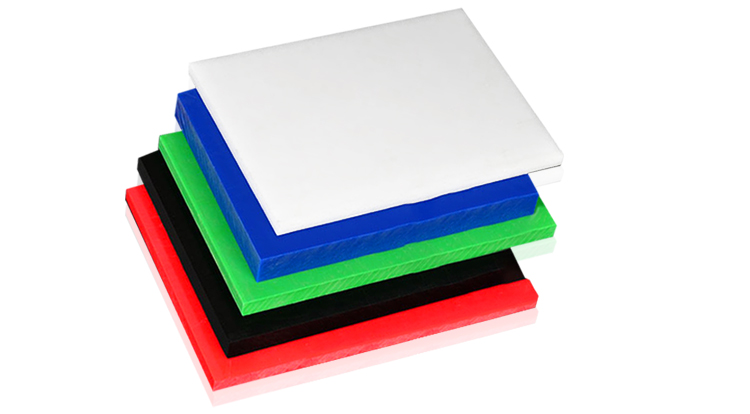
High-density polyethylene (HDPE) has revolutionized manufacturing processes across numerous industries due to its exceptional chemical resistance, durability, and versatility. An hdpe sheet represents one of the most adaptable materials in modern industrial applications, offering manufacturers a reliable solution for demanding environments where traditional materials often fail. The unique molecular structure of hdpe sheet provides superior impact resistance while maintaining flexibility across extreme temperature ranges, making it an indispensable component in contemporary manufacturing operations.
Chemical Processing and Industrial Equipment
Chemical Storage Tank Linings
Chemical processing facilities rely heavily on hdpe sheet for tank lining applications due to its outstanding resistance to aggressive chemicals and corrosive substances. The inert nature of hdpe sheet prevents chemical reactions that could compromise storage integrity or contaminate valuable chemicals. Manufacturing plants processing acids, bases, and organic solvents consistently choose hdpe sheet linings to extend equipment lifespan and ensure operational safety. These installations demonstrate remarkable longevity, often exceeding traditional metal linings by decades while requiring minimal maintenance interventions.
The fabrication process for hdpe sheet tank linings involves precise welding techniques that create seamless barriers against chemical penetration. Advanced manufacturing facilities utilize computer-controlled cutting systems to ensure perfect fit and optimal performance characteristics. Quality control measures during hdpe sheet installation include pressure testing and chemical compatibility verification to guarantee long-term reliability in harsh processing environments.
Reactor Vessel Components
Industrial reactors operating under extreme conditions benefit significantly from hdpe sheet components that withstand thermal cycling and chemical exposure simultaneously. The thermoplastic properties of hdpe sheet allow for complex forming operations that create custom reactor internals matching specific process requirements. Manufacturing engineers appreciate how hdpe sheet maintains structural integrity while providing excellent resistance to stress cracking under continuous operational stress.
Specialized hdpe sheet grades developed for reactor applications incorporate enhanced UV stabilizers and antioxidants that prevent degradation during extended service periods. The material's low friction coefficient reduces wear on moving components while its electrical insulation properties protect against static discharge in volatile environments. These characteristics make hdpe sheet an optimal choice for pharmaceutical, petrochemical, and specialty chemical manufacturing operations.
Food and Beverage Manufacturing Applications
Food Contact Surfaces
Food processing facilities extensively utilize hdpe sheet for cutting boards, work surfaces, and equipment components that require frequent sanitization without material degradation. The FDA-approved grades of hdpe sheet meet stringent food safety regulations while providing superior hygiene characteristics compared to traditional materials. Manufacturing operations benefit from the non-porous surface of hdpe sheet that prevents bacterial growth and simplifies cleaning protocols essential for food safety compliance.
Commercial food processing equipment incorporating hdpe sheet components demonstrates exceptional resistance to cleaning chemicals and high-temperature washdown procedures. The material's ability to withstand repeated sterilization cycles without warping or cracking ensures consistent performance throughout demanding production schedules. Advanced manufacturing techniques enable precise machining of hdpe sheet into complex geometries required for specialized food processing equipment.
Beverage Industry Components
Beverage manufacturing relies on hdpe sheet for conveyor guides, bottle handling systems, and packaging machinery components that must maintain product purity while operating continuously. The chemical inertness of hdpe sheet prevents flavor contamination or chemical migration that could affect product quality. Manufacturing facilities processing acidic beverages particularly value how hdpe sheet resists corrosion from citric acid and other organic acids commonly found in fruit juices and carbonated drinks.
High-speed bottling lines incorporate hdpe sheet wear strips and guide rails that reduce friction while providing excellent wear resistance under continuous operation. The self-lubricating properties of hdpe sheet eliminate the need for additional lubricants that could contaminate beverage products. Manufacturing engineers specify hdpe sheet components for their ability to maintain dimensional stability under varying temperature conditions typical in beverage production environments.
Marine and Offshore Manufacturing
Dock Fender Systems
Marine construction projects extensively employ hdpe sheet in dock fender applications where impact absorption and saltwater resistance are critical performance requirements. The exceptional toughness of hdpe sheet enables it to withstand repeated vessel impacts while maintaining structural integrity in harsh marine environments. Manufacturing facilities producing marine hardware recognize how hdpe sheet outperforms traditional rubber and metal alternatives in terms of longevity and maintenance requirements.
Offshore platforms utilize hdpe sheet fender systems that resist UV degradation, saltwater corrosion, and extreme temperature fluctuations encountered in marine service. The material's ability to flex under impact without permanent deformation protects both vessels and dock structures from damage during mooring operations. Advanced manufacturing processes create hdpe sheet fenders with integrated mounting systems that simplify installation and reduce maintenance costs over the system's operational lifetime.
Marine Equipment Housings
Electronic equipment enclosures manufactured from hdpe sheet provide superior protection against saltwater intrusion and corrosive marine atmospheres. The dielectric properties of hdpe sheet make it ideal for housing sensitive electronic components while its impact resistance protects against mechanical damage from deck operations. Manufacturing specifications for marine hdpe sheet often include enhanced UV stabilization to prevent degradation from intense solar radiation encountered in offshore environments.
Specialized hdpe sheet formulations for marine applications incorporate flame-retardant additives that meet stringent maritime safety standards. The lightweight nature of hdpe sheet reduces overall equipment weight while maintaining structural performance, contributing to improved vessel stability and fuel efficiency. Manufacturing processes for marine-grade hdpe sheet include rigorous testing for salt spray resistance and thermal cycling to ensure reliable performance in demanding oceanic conditions.
Automotive and Transportation Manufacturing
Vehicle Interior Components
Automotive manufacturers integrate hdpe sheet into interior panels, door liners, and cargo area components that require durability and aesthetic appeal. The material's ability to accept various surface textures and colors through manufacturing processes makes hdpe sheet suitable for visible interior applications. Advanced forming techniques allow hdpe sheet to be molded into complex three-dimensional shapes that match modern vehicle design requirements while providing excellent impact resistance.
The chemical resistance of hdpe sheet protects automotive components from cleaning solvents, oils, and other automotive fluids that could cause degradation or discoloration. Manufacturing quality control ensures hdpe sheet components meet automotive industry standards for outgassing and flame resistance essential for passenger safety. The recyclable nature of hdpe sheet aligns with automotive industry sustainability goals while providing cost-effective solutions for high-volume production.
Commercial Vehicle Applications
Heavy-duty truck and trailer manufacturers utilize hdpe sheet for bed liners, cargo barriers, and protective panels that withstand harsh loading conditions and road environments. The abrasion resistance of hdpe sheet significantly extends service life compared to metal alternatives while reducing vehicle weight and improving fuel efficiency. Manufacturing processes for commercial vehicle hdpe sheet components often include reinforcement techniques that enhance load-bearing capabilities for demanding applications.
Fleet operators appreciate how hdpe sheet components resist corrosion from road salt and chemical exposure while maintaining appearance and functionality throughout extended service intervals. The material's impact resistance prevents damage from cargo handling equipment and road debris that frequently damage traditional truck body materials. Manufacturing innovations continue to develop hdpe sheet formulations with enhanced properties specifically designed for commercial transportation applications.
Agricultural and Industrial Machinery
Farm Equipment Components
Agricultural machinery manufacturers incorporate hdpe sheet into equipment components that require resistance to fertilizers, pesticides, and harsh environmental conditions. The chemical inertness of hdpe sheet prevents corrosion from agricultural chemicals while its impact resistance withstands field operations involving rocks, debris, and mechanical stress. Manufacturing processes for agricultural hdpe sheet ensure proper UV stabilization to prevent degradation from continuous sun exposure during field operations.
Harvesting equipment utilizes hdpe sheet for chute liners, grain handling surfaces, and protective covers that must maintain smooth operation while resisting wear from abrasive crops. The low friction coefficient of hdpe sheet improves material flow through processing equipment while reducing power consumption and mechanical wear. Manufacturing specifications for agricultural hdpe sheet often include food-grade certifications for applications involving direct contact with harvested crops.
Industrial Conveyor Systems
Manufacturing facilities across diverse industries rely on hdpe sheet for conveyor wear strips, guide rails, and impact plates that ensure smooth material handling operations. The self-lubricating properties of hdpe sheet reduce friction and wear while eliminating the need for external lubricants that could contaminate products or create maintenance issues. Advanced manufacturing techniques produce hdpe sheet conveyor components with precise dimensional tolerances required for high-speed automated systems.
Mining and bulk material handling operations particularly value how hdpe sheet resists abrasion from ore, coal, and aggregate materials while maintaining structural integrity under heavy loading conditions. The material's ability to absorb impact energy protects conveyor structures and reduces noise levels in industrial environments. Manufacturing innovations continue to develop specialized hdpe sheet formulations with enhanced wear resistance for extreme conveyor applications.
Construction and Infrastructure Manufacturing
Waterproofing and Barrier Systems
Construction projects extensively employ hdpe sheet for waterproofing membranes, vapor barriers, and protective linings that prevent moisture penetration in critical applications. The impermeability of hdpe sheet to water and water vapor makes it ideal for foundation waterproofing and underground construction where moisture control is essential. Manufacturing processes for construction-grade hdpe sheet include quality control measures that ensure consistent thickness and mechanical properties across large installation areas.
Landfill construction projects utilize hdpe sheet as primary and secondary liner systems that prevent groundwater contamination from waste materials. The chemical resistance of hdpe sheet provides long-term protection against leachate while its flexibility accommodates ground settlement without compromising barrier integrity. Manufacturing standards for environmental hdpe sheet include rigorous testing for chemical compatibility and stress crack resistance to ensure decades of reliable service.
Infrastructure Protection Systems
Highway and bridge construction incorporates hdpe sheet for bridge bearing pads, expansion joint seals, and protective barriers that withstand traffic loading and environmental exposure. The material's ability to maintain elasticity across temperature extremes ensures consistent performance in varying climate conditions. Manufacturing processes for infrastructure hdpe sheet often include compounding with specialized additives that enhance load-bearing capacity and fatigue resistance.
Underground utility installations benefit from hdpe sheet protective wrapping that shields pipelines and cables from soil chemicals and mechanical damage during installation and service. The flexibility of hdpe sheet allows conformance to irregular pipe geometries while providing complete coverage against corrosive soil conditions. Manufacturing innovations in hdpe sheet continue to develop solutions for increasingly demanding infrastructure protection applications.
Medical and Laboratory Equipment Manufacturing
Laboratory Work Surfaces
Laboratory equipment manufacturers specify hdpe sheet for work surfaces, equipment panels, and chemical storage components that require exceptional chemical resistance and easy sterilization. The non-porous surface of hdpe sheet prevents absorption of laboratory chemicals while enabling thorough cleaning and decontamination procedures essential for analytical accuracy. Manufacturing processes for laboratory-grade hdpe sheet ensure compliance with industry standards for chemical purity and surface finish quality.
Research facilities processing aggressive chemicals particularly value how hdpe sheet maintains dimensional stability and surface integrity when exposed to acids, bases, and organic solvents. The material's electrical insulation properties make hdpe sheet suitable for electronic laboratory equipment housings while its impact resistance protects expensive analytical instruments. Manufacturing quality control for laboratory hdpe sheet includes verification of chemical compatibility and surface smoothness requirements.
Medical Device Components
Medical device manufacturing utilizes hdpe sheet for equipment housings, protective covers, and non-critical components that require biocompatibility and sterilization resistance. The material's ability to withstand repeated steam sterilization cycles without degradation makes hdpe sheet valuable for reusable medical equipment components. Manufacturing processes for medical-grade hdpe sheet include documentation and testing required for regulatory compliance in healthcare applications.
Diagnostic equipment incorporates hdpe sheet components that provide chemical resistance to cleaning agents and biological fluids while maintaining precise dimensional tolerances. The radiopaque properties of certain hdpe sheet formulations enable visibility in medical imaging applications while standard grades provide cost-effective solutions for non-imaging equipment. Manufacturing innovations continue to develop specialized hdpe sheet materials that meet evolving medical industry requirements for performance and safety.
Packaging and Material Handling Manufacturing
Industrial Packaging Solutions
Packaging manufacturers utilize hdpe sheet for heavy-duty shipping containers, protective packaging, and industrial storage solutions that require durability and chemical resistance. The impact strength of hdpe sheet enables packaging designs that protect valuable products during shipping while reducing packaging weight and material costs. Manufacturing processes for packaging hdpe sheet optimize thickness and mechanical properties for specific load-bearing and protection requirements.
Chemical packaging applications particularly benefit from hdpe sheet containers that resist permeation and chemical attack while maintaining structural integrity during transport and storage. The material's weldability enables manufacturing of complex packaging shapes with integral sealing systems that prevent leakage. Manufacturing quality control for packaging hdpe sheet includes testing for chemical compatibility and mechanical performance under various shipping conditions.
Material Handling Equipment
Warehouse and distribution facilities rely on hdpe sheet for pallet protection, equipment skids, and material handling surfaces that withstand mechanical abuse and chemical exposure. The low friction characteristics of hdpe sheet improve efficiency in automated material handling systems while reducing wear on mechanical components. Manufacturing processes for material handling hdpe sheet ensure consistent surface properties and dimensional accuracy required for automated equipment operation.
Cold storage applications utilize hdpe sheet components that maintain flexibility and impact resistance at sub-zero temperatures while resisting moisture absorption and bacterial growth. The material's thermal properties enable effective insulation system integration while its chemical resistance protects against cleaning and sanitizing chemicals. Manufacturing specifications for cold storage hdpe sheet include low-temperature impact testing to ensure reliable performance in frozen storage environments.
FAQ
What makes hdpe sheet superior to other plastic materials in manufacturing applications
HDPE sheet offers an exceptional combination of chemical resistance, impact strength, and temperature stability that surpasses most other plastic materials in demanding manufacturing environments. The material's molecular structure provides superior stress crack resistance while maintaining flexibility across extreme temperature ranges from -40°F to 180°F. Manufacturing processes benefit from hdpe sheet's excellent weldability and machinability, enabling complex fabrication operations that create custom solutions for specific industrial requirements.
How does hdpe sheet performance compare in chemical processing environments
In chemical processing applications, hdpe sheet demonstrates remarkable resistance to acids, bases, alcohols, and most organic chemicals, making it ideal for tank linings, pipe systems, and process equipment components. The material maintains structural integrity when exposed to aggressive chemicals that rapidly degrade metals and other plastics. Manufacturing facilities report significantly extended equipment life and reduced maintenance costs when utilizing hdpe sheet in chemical processing applications compared to traditional materials.
What factors should be considered when selecting hdpe sheet for manufacturing applications
Key selection criteria for hdpe sheet include operating temperature range, chemical exposure requirements, mechanical loading conditions, and regulatory compliance needs for specific manufacturing applications. The material's density, molecular weight distribution, and additive package significantly influence performance characteristics and should be matched to application demands. Manufacturing engineers should also consider fabrication requirements, joining methods, and long-term performance expectations when specifying hdpe sheet for industrial applications.
How does hdpe sheet contribute to sustainable manufacturing practices
HDPE sheet supports sustainable manufacturing through its recyclability, extended service life, and reduced maintenance requirements that minimize environmental impact over the material's lifecycle. The durability of hdpe sheet reduces replacement frequency while its chemical resistance eliminates the need for protective coatings that may contain harmful substances. Manufacturing facilities benefit from hdpe sheet's contribution to LEED certification goals and corporate sustainability initiatives through reduced waste generation and improved operational efficiency.
Table of Contents
- Chemical Processing and Industrial Equipment
- Food and Beverage Manufacturing Applications
- Marine and Offshore Manufacturing
- Automotive and Transportation Manufacturing
- Agricultural and Industrial Machinery
- Construction and Infrastructure Manufacturing
- Medical and Laboratory Equipment Manufacturing
- Packaging and Material Handling Manufacturing
-
FAQ
- What makes hdpe sheet superior to other plastic materials in manufacturing applications
- How does hdpe sheet performance compare in chemical processing environments
- What factors should be considered when selecting hdpe sheet for manufacturing applications
- How does hdpe sheet contribute to sustainable manufacturing practices