
 EN
EN
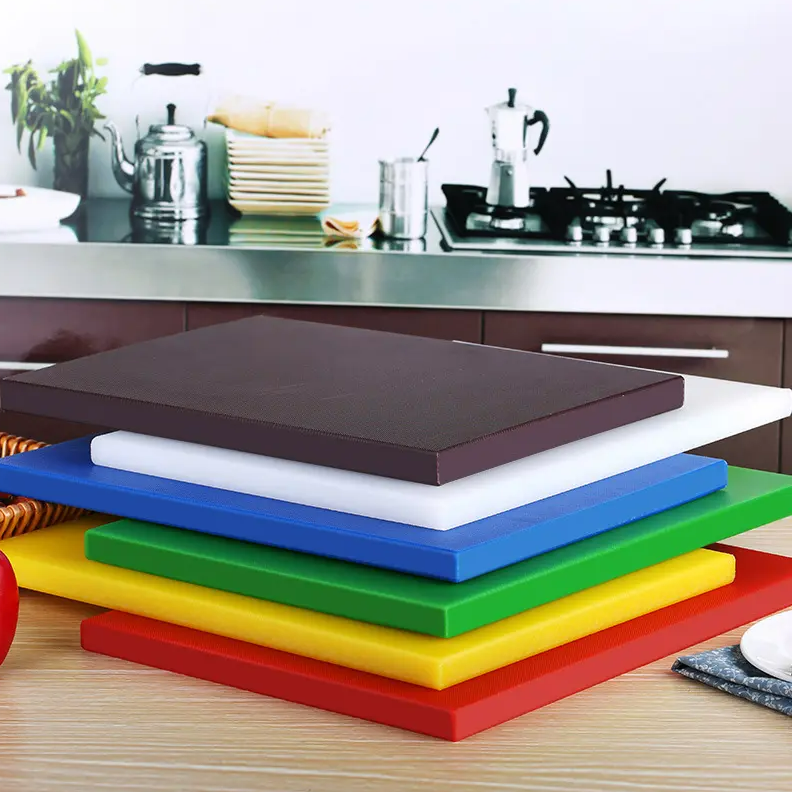
High-density polyethylene has revolutionized modern construction practices through its exceptional versatility and durability. The widespread adoption of HDPE sheet materials across various building applications demonstrates their superior performance characteristics and cost-effectiveness. Construction professionals increasingly recognize the value proposition that HDPE sheet products bring to both residential and commercial projects, offering solutions that traditional materials cannot match.
The construction industry demands materials that can withstand harsh environmental conditions while maintaining structural integrity over extended periods. HDPE sheet technology addresses these requirements through advanced polymer engineering that delivers consistent performance across diverse applications. From foundation barriers to roofing membranes, these versatile sheets provide reliable protection against moisture, chemicals, and mechanical stress.
Modern building codes increasingly emphasize sustainability and environmental responsibility in material selection. HDPE sheet products align perfectly with these requirements, offering recyclable solutions that reduce long-term environmental impact. The manufacturing process utilizes energy-efficient methods that minimize carbon footprint while producing materials with exceptional longevity and performance characteristics.
Durability and Longevity Advantages
Weather Resistance Properties
Construction projects face constant exposure to varying weather conditions that can compromise material integrity over time. HDPE sheet materials demonstrate exceptional resistance to ultraviolet radiation, temperature fluctuations, and moisture penetration. These properties ensure consistent performance across different climate zones, from arctic conditions to tropical environments where traditional materials might deteriorate rapidly.
The polymer structure of HDPE sheet products provides inherent protection against oxidation and thermal cycling damage. Unlike metal alternatives that may corrode or expand significantly with temperature changes, these sheets maintain dimensional stability across wide temperature ranges. This characteristic proves particularly valuable in regions experiencing extreme seasonal variations or daily temperature swings.
Chemical and Corrosion Resistance
Construction environments often involve exposure to various chemicals, cleaning agents, and atmospheric pollutants that can degrade conventional building materials. HDPE sheet technology offers superior resistance to acids, bases, solvents, and other potentially harmful substances. This chemical inertness extends material lifespan significantly while reducing maintenance requirements and replacement costs.
The non-porous surface of HDPE sheet materials prevents chemical absorption and subsequent deterioration that commonly affects porous materials like concrete or untreated wood. This property makes them ideal for applications in industrial facilities, laboratories, and commercial kitchens where chemical exposure is frequent and potentially damaging to other materials.
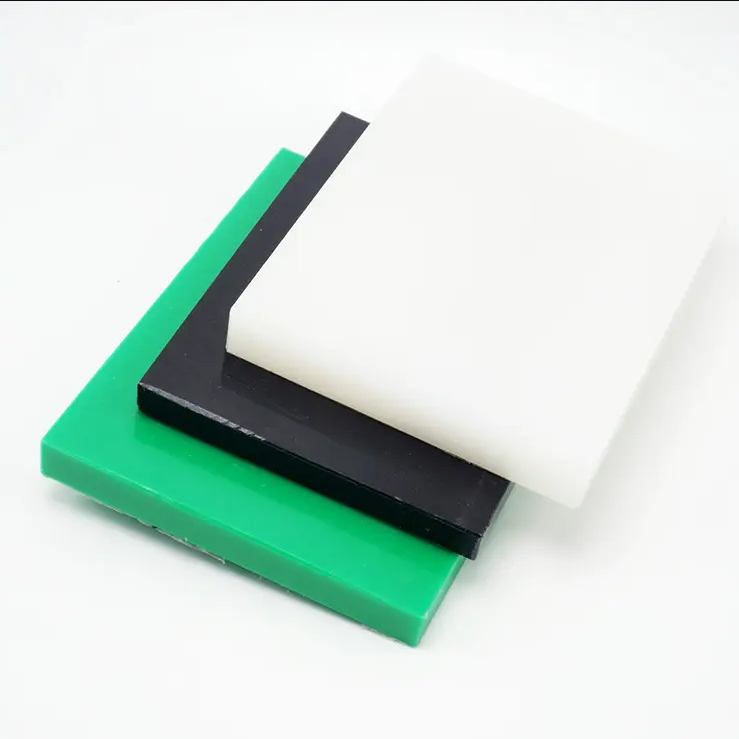
Versatile Installation Applications
Foundation and Waterproofing Systems
Foundation protection represents one of the most critical applications for hdpe sheet materials in construction projects. These sheets create impermeable barriers that prevent water infiltration and protect structural elements from moisture damage. The flexibility of HDPE allows for seamless installation around complex foundation geometries while maintaining waterproof integrity.
Professional installers appreciate the workability of HDPE sheet products during foundation applications. The material can be welded using specialized equipment to create continuous, leak-proof barriers without mechanical fasteners that might compromise waterproof performance. This welding capability enables custom-fitted solutions for unique architectural requirements and challenging site conditions.
Roofing and Membrane Applications
Roofing systems benefit significantly from HDPE sheet integration, particularly in low-slope and flat roof configurations where traditional materials may struggle with water management. The smooth surface promotes efficient water drainage while the material's flexibility accommodates structural movement without cracking or splitting. These characteristics make HDPE sheet solutions ideal for commercial and industrial roofing projects.
Installation crews find HDPE sheet materials easier to handle compared to heavy alternatives like modified bitumen or built-up roofing systems. The lightweight nature reduces structural loading requirements while the large sheet sizes minimize seaming and potential leak points. This combination of properties often results in faster installation times and reduced labor costs for roofing contractors.
Cost-Effectiveness and Economic Benefits
Initial Investment Considerations
While HDPE sheet materials may present higher upfront costs compared to some traditional alternatives, comprehensive cost analysis reveals significant long-term economic advantages. The extended service life and reduced maintenance requirements of HDPE sheet products often result in lower total cost of ownership over the building's lifespan. Project managers increasingly recognize these lifecycle cost benefits when evaluating material options.
Procurement decisions should consider not only material costs but also installation efficiency and labor requirements. HDPE sheet products typically require fewer specialized tools and less complex installation procedures compared to alternatives like thermoplastic membranes or modified bitumen systems. This simplification can reduce project timelines and associated overhead costs significantly.
Maintenance and Replacement Savings
The exceptional durability of HDPE sheet materials translates directly into reduced maintenance expenses throughout the building's operational period. Unlike materials that require regular sealing, coating, or protective treatments, HDPE sheet installations maintain their performance characteristics with minimal intervention. This reliability particularly benefits commercial property owners seeking to minimize ongoing maintenance obligations.
Replacement cycles for HDPE sheet applications typically extend well beyond those of conventional materials, reducing disruption to building operations and occupants. The material's resistance to punctures, tears, and environmental degradation ensures consistent performance over decades rather than years. This longevity provides predictable budget planning advantages for facility managers and property developers.
Environmental Impact and Sustainability
Recyclability and Circular Economy Benefits
Environmental consciousness drives increasing demand for sustainable building materials that support circular economy principles. HDPE sheet products excel in this regard, offering complete recyclability at the end of their service life. The polymer can be reprocessed into new products without significant degradation of material properties, supporting waste reduction goals and environmental stewardship initiatives.
Manufacturing processes for HDPE sheet materials have evolved to incorporate recycled content while maintaining performance standards required for construction applications. This closed-loop approach reduces demand for virgin materials and minimizes environmental impact associated with raw material extraction and processing. Green building certification programs increasingly recognize these sustainability attributes in their scoring systems.
Energy Efficiency Contributions
Building energy performance benefits from HDPE sheet integration through improved thermal management and air sealing capabilities. The material's low thermal conductivity helps reduce heat transfer through building envelopes, contributing to more efficient HVAC operation and reduced energy consumption. These thermal properties prove particularly valuable in climate-controlled environments requiring precise temperature maintenance.
The airtight sealing capabilities of welded HDPE sheet installations minimize unwanted air infiltration that can compromise building energy efficiency. By creating continuous barriers against air leakage, these materials support improved indoor environmental quality while reducing heating and cooling loads. Energy modeling studies consistently demonstrate measurable efficiency improvements in buildings utilizing properly installed HDPE sheet systems.
Technical Performance Characteristics
Mechanical Properties and Strength
Engineering specifications for HDPE sheet materials demonstrate impressive mechanical properties that enable reliable performance under various loading conditions. The material exhibits excellent tensile strength, puncture resistance, and flexibility that allows accommodation of structural movement without failure. These properties make HDPE sheet solutions suitable for demanding applications where mechanical stress is a primary concern.
Impact resistance characteristics of HDPE sheet products exceed those of many rigid alternatives, providing resilience against damage from construction activities, maintenance operations, and environmental forces. The material's ability to deform elastically under load and return to original dimensions prevents permanent damage that might compromise system integrity over time.
Thermal and Dimensional Stability
Temperature cycling effects on building materials can lead to premature failure through expansion and contraction stresses. HDPE sheet materials demonstrate exceptional dimensional stability across operating temperature ranges typical in construction applications. This stability minimizes stress concentrations at connection points and maintains seal integrity throughout seasonal temperature variations.
The low coefficient of thermal expansion exhibited by HDPE sheet products reduces movement-related stresses that can affect adjacent building components. This characteristic proves particularly valuable in large-area installations where accumulated thermal movement could otherwise cause buckling, wrinkling, or connection failure in less stable materials.
FAQ
What is the typical lifespan of HDPE sheet in construction applications
HDPE sheet materials in construction applications typically provide service lives ranging from 30 to 50 years, depending on specific environmental conditions and installation quality. The material's inherent resistance to UV radiation, chemical exposure, and mechanical stress contributes to this exceptional longevity. Proper installation and adherence to manufacturer guidelines can maximize service life and ensure optimal performance throughout the building's operational period.
How does HDPE sheet compare to traditional waterproofing materials
Compared to traditional waterproofing materials like modified bitumen or liquid-applied membranes, HDPE sheet offers superior puncture resistance, chemical compatibility, and installation efficiency. The welded seaming process creates stronger, more reliable connections than adhesive-based systems, while the material's flexibility accommodates structural movement better than rigid alternatives. Additionally, HDPE sheet installations require minimal maintenance compared to materials that may need periodic recoating or sealing.
Can HDPE sheet be installed in cold weather conditions
HDPE sheet installation can proceed in cold weather conditions with appropriate techniques and equipment adjustments. The material remains flexible at low temperatures, though welding procedures may require modified parameters and extended warm-up times for optimal results. Professional installers typically use specialized cold-weather welding equipment and techniques to ensure proper seam formation and long-term performance in challenging weather conditions.
What maintenance is required for HDPE sheet installations
HDPE sheet installations require minimal maintenance compared to many alternative materials, typically involving periodic visual inspections and cleaning of surface debris. The non-porous surface resists biological growth and chemical staining, simplifying cleaning procedures when necessary. Any damage that does occur can usually be repaired through localized welding or patching techniques without requiring extensive system replacement or disruption to building operations.