
 EN
EN
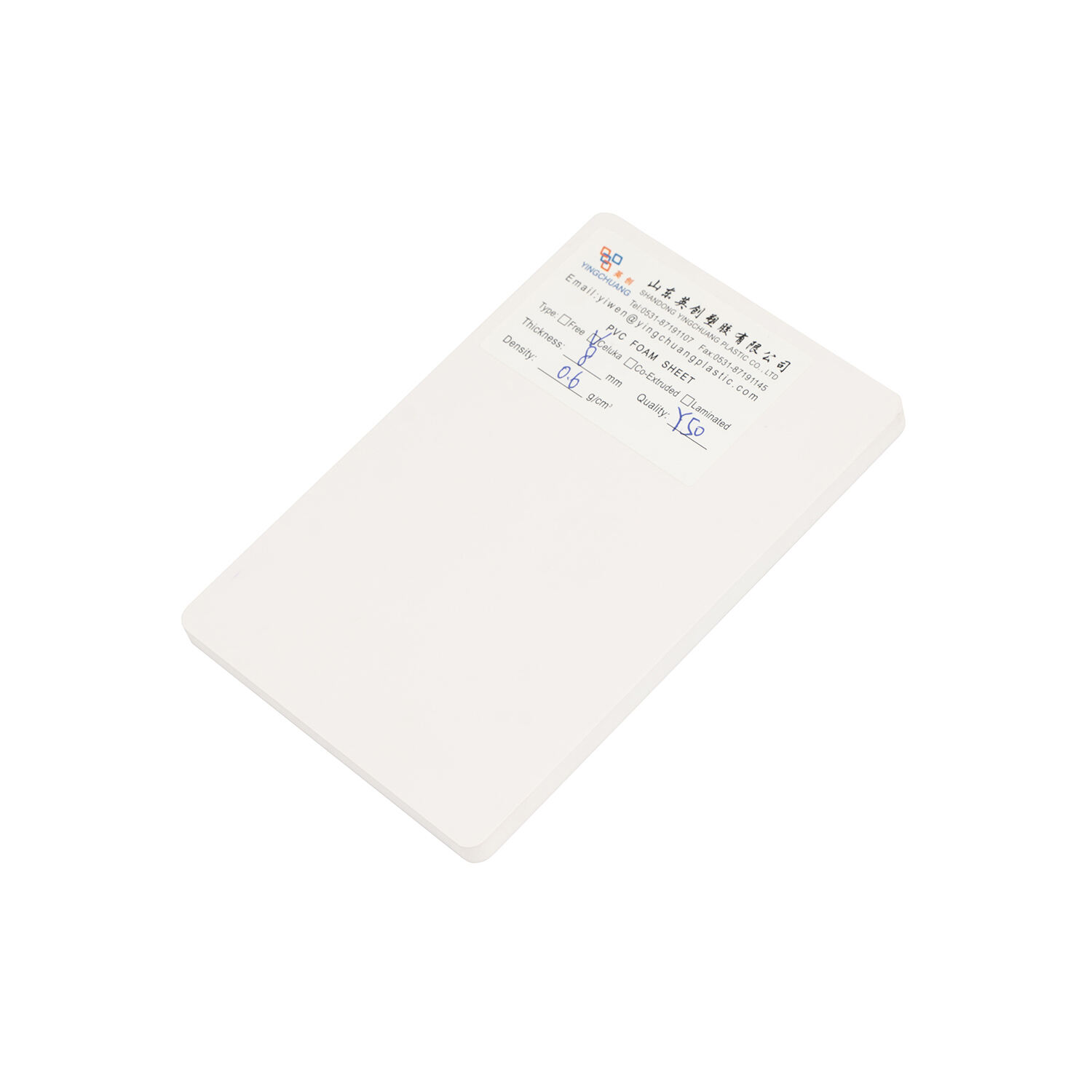
The construction and manufacturing industries rely heavily on versatile materials that combine durability, lightweight properties, and cost-effectiveness. Among these materials, pvc foam sheet stands out as an exceptional choice for applications ranging from architectural cladding to industrial fabrication. This comprehensive guide explores the critical aspects of density variations, grade classifications, and performance characteristics that define modern pvc foam sheet applications. Understanding these fundamental properties enables professionals to make informed decisions when selecting the appropriate material specifications for their specific project requirements.
Density Classifications and Technical Specifications
Low-Density PVC Foam Sheet Properties
Low-density pvc foam sheet typically ranges from 0.4 to 0.7 grams per cubic centimeter, offering exceptional insulation properties and reduced weight characteristics. These sheets excel in applications where thermal efficiency and material handling convenience are paramount considerations. The cellular structure of low-density variants creates superior sound dampening capabilities, making them ideal for acoustic panels and noise reduction installations. Manufacturing processes for low-density sheets involve controlled expansion techniques that create uniform cell distribution throughout the material matrix.
The mechanical properties of low-density pvc foam sheet include excellent flexibility and impact resistance, though with reduced structural load-bearing capacity compared to higher density alternatives. Surface finishing options remain extensive, with smooth, textured, and embossed variants available to meet diverse aesthetic requirements. These materials demonstrate remarkable resistance to moisture absorption, maintaining dimensional stability across varying environmental conditions. Processing characteristics favor easy cutting, routing, and fabrication using standard woodworking tools and techniques.
Medium-Density Performance Characteristics
Medium-density pvc foam sheet occupies the density range between 0.7 to 1.2 grams per cubic centimeter, providing balanced performance across multiple application criteria. This density classification offers optimal compromise between weight considerations and structural integrity requirements. The cellular architecture in medium-density sheets provides enhanced compression strength while maintaining reasonable thermal insulation properties. Manufacturing consistency in this density range ensures predictable performance characteristics across large-scale installations and fabrication projects.
Surface quality and finish consistency reach professional standards in medium-density pvc foam sheet products, supporting high-end architectural and decorative applications. The material exhibits excellent dimensional stability under temperature variations, making it suitable for exterior applications where thermal cycling occurs regularly. Chemical resistance properties remain robust, withstanding exposure to common cleaning agents, industrial solvents, and environmental contaminants. Machining characteristics support precision fabrication requirements, including complex routing, drilling, and edge profiling operations.
Grade Classifications and Application Suitability
Commercial Grade Specifications
Commercial grade pvc foam sheet meets standard industry requirements for general construction, signage, and light industrial applications. These products undergo quality control processes that ensure consistent cell structure, surface finish, and dimensional accuracy within commercial tolerances. The manufacturing standards for commercial grade materials focus on cost-effectiveness while maintaining adequate performance for typical applications. Fire retardant additives are commonly incorporated to meet building code requirements for interior applications.
Thickness availability in commercial grade pvc foam sheet ranges from 1mm to 30mm, accommodating diverse application requirements from thin laminating substrates to thick structural panels. Color consistency and UV stability receive attention in commercial formulations, though not to the extent found in premium grade alternatives. The material demonstrates reliable weathering resistance for moderate exposure conditions, making it suitable for semi-exterior and protected outdoor installations. Processing characteristics support standard fabrication techniques without requiring specialized equipment or procedures.
Industrial Grade Performance Standards
Industrial grade pvc foam sheet exceeds commercial specifications through enhanced material properties and stricter manufacturing controls. These products target demanding applications in chemical processing, marine environments, and heavy industrial installations where material failure carries significant consequences. The cellular structure undergoes optimization to maximize strength-to-weight ratios while maintaining chemical inertness across broad temperature ranges. Quality assurance protocols include comprehensive testing for mechanical properties, chemical resistance, and long-term stability.
Enhanced formulations in industrial grade products incorporate specialized additives for improved impact resistance, flame retardancy, and environmental stability. The pvc foam sheet manufacturing process employs tighter tolerances and additional quality checkpoints to ensure consistent performance characteristics. Surface treatments may include protective coatings or specialized finishes to enhance durability in harsh operating environments. Thermal expansion coefficients receive careful control to minimize dimensional changes across operating temperature ranges.
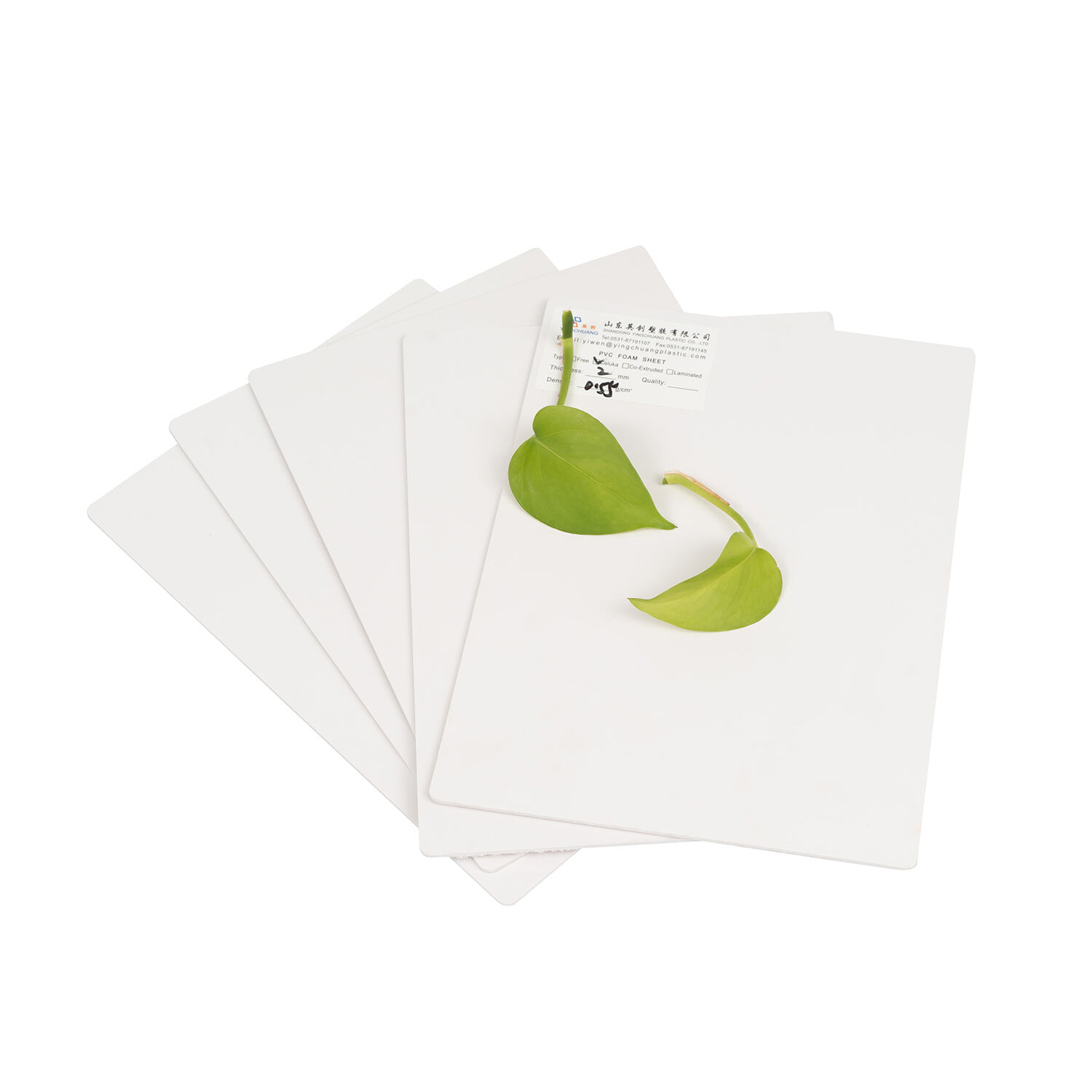
Manufacturing Processes and Quality Control
Extrusion Technology and Cell Structure Formation
Modern pvc foam sheet manufacturing employs advanced extrusion technologies that precisely control cell formation and distribution throughout the material cross-section. The process begins with specialized PVC resin formulations that include blowing agents, stabilizers, and performance additives tailored to specific density and grade requirements. Temperature profiles across the extrusion process critically influence final cell structure, with controlled cooling rates ensuring uniform expansion and dimensional stability. Die design and processing parameters receive careful optimization to achieve consistent sheet thickness and surface quality.
Cell nucleation and growth phases require precise control of pressure, temperature, and chemical activation to achieve desired density targets. The extrusion process incorporates multiple heating zones that gradually activate blowing agents while maintaining polymer melt properties suitable for sheet formation. Cooling and calendering operations following extrusion establish final surface characteristics and dimensional accuracy. Quality monitoring throughout the manufacturing process ensures that pvc foam sheet products meet specified performance criteria consistently.
Surface Finishing and Treatment Options
Surface finishing processes for pvc foam sheet include various mechanical and chemical treatments designed to enhance appearance, durability, and functionality. Smooth surface finishes achieve mirror-like qualities through controlled cooling and polishing techniques, making them suitable for high-end architectural applications. Textured surfaces are created through embossing processes that impart wood grain, stone, or custom patterns while maintaining the underlying material properties. Chemical etching techniques produce uniformly roughened surfaces that improve paint adhesion and bonding characteristics.
Protective coatings and surface treatments extend the service life of pvc foam sheet in challenging environments. UV-resistant topcoats prevent color degradation and surface chalking in exterior applications, while anti-static treatments reduce dust accumulation in electronic manufacturing environments. Flame-retardant surface treatments provide additional fire protection beyond base material formulations. These finishing options allow customization of pvc foam sheet properties to match specific application requirements without compromising structural integrity.
Performance Testing and Certification Standards
Mechanical Property Evaluation
Comprehensive mechanical testing protocols evaluate pvc foam sheet performance across multiple stress conditions and environmental factors. Tensile strength testing determines maximum load capacity and elongation characteristics, providing critical data for structural applications. Compression testing evaluates material behavior under sustained loads, particularly important for applications where sheets support additional weight. Impact resistance testing simulates real-world conditions where materials experience sudden force application, helping predict field performance.
Flexural testing examines bending characteristics and modulus values that influence installation and long-term performance in applications with thermal cycling. Fatigue testing subjects pvc foam sheet samples to repeated loading cycles, providing insights into durability under dynamic conditions. Environmental testing combines mechanical evaluation with exposure to temperature extremes, humidity variations, and chemical exposure. These comprehensive testing protocols ensure that material specifications accurately reflect field performance capabilities.
Chemical Resistance and Environmental Stability
Chemical resistance testing evaluates pvc foam sheet performance when exposed to acids, bases, solvents, and other potentially damaging substances. Standard test protocols immerse material samples in various chemical solutions at elevated temperatures to accelerate aging effects. Weight change, dimensional stability, and surface appearance receive monitoring throughout exposure periods. These evaluations provide critical data for selecting appropriate materials for chemical processing and industrial applications.
Environmental stability testing subjects pvc foam sheet to accelerated weathering conditions including UV exposure, thermal cycling, and moisture variation. Xenon arc testing simulates solar radiation effects over extended periods, revealing potential color changes and surface degradation. Thermal shock testing evaluates material response to rapid temperature changes that might occur in real-world installations. Long-term outdoor exposure testing provides validation of laboratory results under actual environmental conditions.
Application Considerations and Selection Criteria
Structural and Load-Bearing Applications
Selecting appropriate pvc foam sheet for structural applications requires careful evaluation of density, grade, and thickness parameters relative to expected loading conditions. High-density variants provide maximum strength-to-weight ratios for applications requiring significant load-bearing capacity. Medium-density options offer balanced performance for moderate structural requirements while maintaining workability advantages. Proper consideration of safety factors and long-term creep characteristics ensures reliable performance throughout the intended service life.
Installation techniques for structural pvc foam sheet applications require attention to proper support spacing, fastener selection, and thermal expansion accommodation. Adhesive bonding systems provide distributed load transfer when properly selected and applied according to manufacturer specifications. Mechanical fastening requires appropriate fastener types and spacing to prevent stress concentration and material failure. Joint design and sealing considerations become critical for maintaining structural integrity in demanding applications.
Aesthetic and Architectural Applications
Architectural applications of pvc foam sheet emphasize surface quality, color consistency, and long-term appearance retention alongside functional performance requirements. Smooth surface grades provide excellent substrates for paint systems and decorative laminates, supporting high-end interior design applications. Textured surfaces offer natural material appearances while maintaining the processing and durability advantages of synthetic materials. Color matching capabilities enable seamless integration with existing architectural elements and design schemes.
Fabrication requirements for architectural pvc foam sheet include precision cutting, edge finishing, and joint preparation to achieve professional installation results. CNC machining capabilities enable complex shapes and decorative elements that would be difficult or impossible with traditional materials. Surface preparation and finishing techniques ensure optimal adhesion for paints, adhesives, and decorative treatments. Maintenance requirements remain minimal compared to traditional materials, supporting life-cycle cost advantages in commercial applications.
FAQ
What factors determine the optimal density for pvc foam sheet applications
The optimal density for pvc foam sheet depends on specific application requirements including structural loading, thermal insulation needs, and weight constraints. Higher density sheets provide increased strength and durability for demanding applications, while lower density options excel in insulation and weight-sensitive installations. Environmental conditions, expected service life, and cost considerations also influence density selection decisions.
How do manufacturing processes affect pvc foam sheet quality and performance
Manufacturing processes significantly impact pvc foam sheet quality through control of cell structure formation, surface finish characteristics, and dimensional accuracy. Extrusion parameters including temperature profiles, cooling rates, and die design directly influence final material properties. Quality control measures throughout production ensure consistent performance and minimize variations that could affect application suitability.
What testing standards verify pvc foam sheet performance characteristics
Comprehensive testing standards evaluate pvc foam sheet performance through mechanical property assessment, chemical resistance evaluation, and environmental stability testing. Standard test methods include ASTM and ISO protocols that provide consistent evaluation criteria across different manufacturers and product lines. These testing standards ensure that published specifications accurately reflect actual material performance in field conditions.
How should pvc foam sheet be stored and handled to maintain quality
Proper storage and handling of pvc foam sheet requires protection from direct sunlight, extreme temperatures, and mechanical damage during transport and warehousing. Sheets should be stored flat or properly supported to prevent deformation, with adequate ventilation to prevent moisture accumulation. Handling procedures should minimize surface contact and avoid sharp objects that could damage protective films or surface finishes.