
 EN
EN
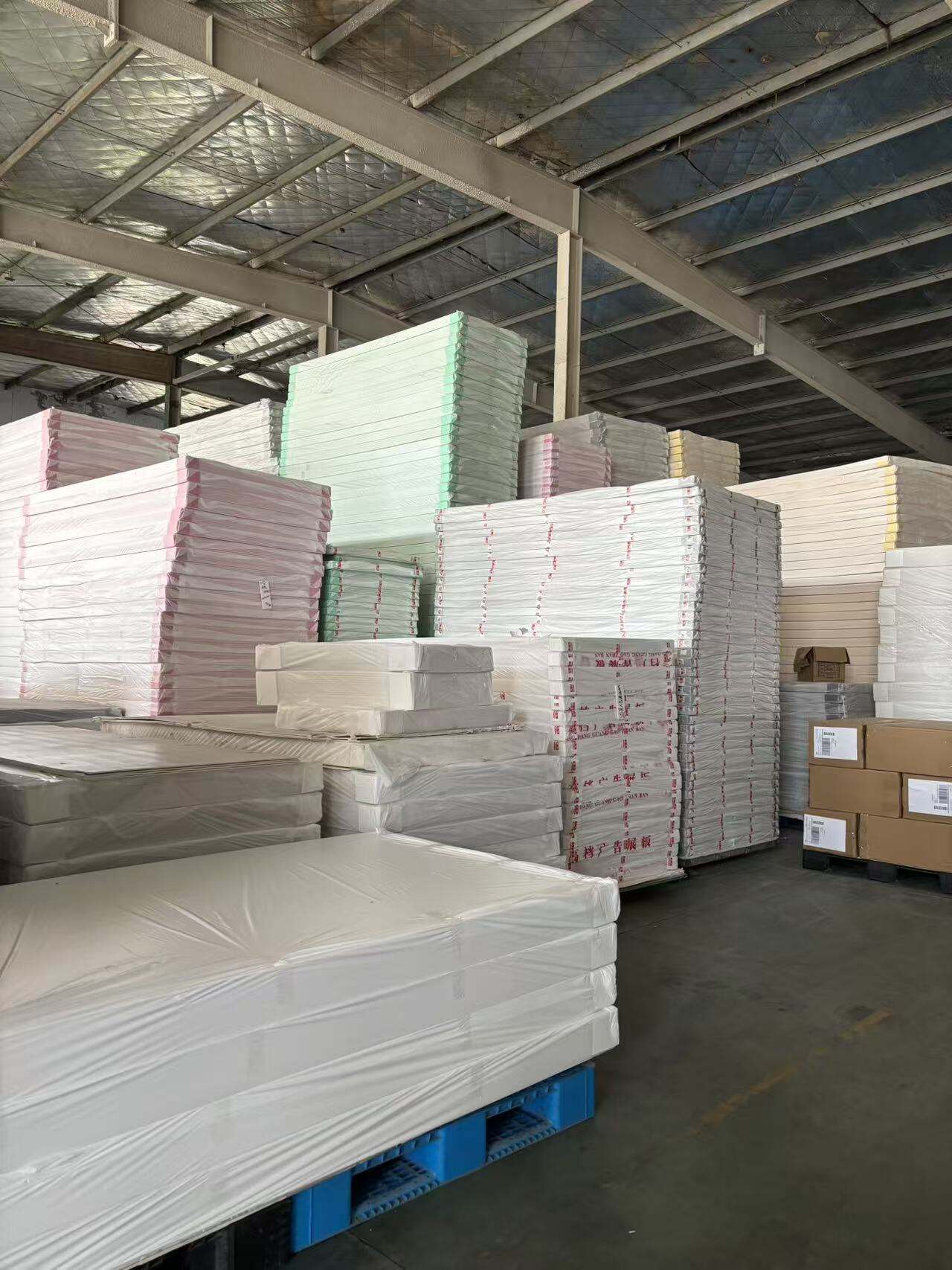
Paper foam board is a versatile, lightweight material widely used in signage, display construction, architectural modeling, and graphic arts applications. Its unique composition—typically featuring a foam core laminated between paper or cardstock layers—offers an excellent balance of rigidity, printability, and ease of handling. However, improper storage practices can quickly compromise these advantages, leading to warping, bowing, or permanent deformation that renders the material unusable. Understanding how to store paper foam board correctly is essential for businesses and professionals who rely on maintaining material integrity from procurement through project completion.
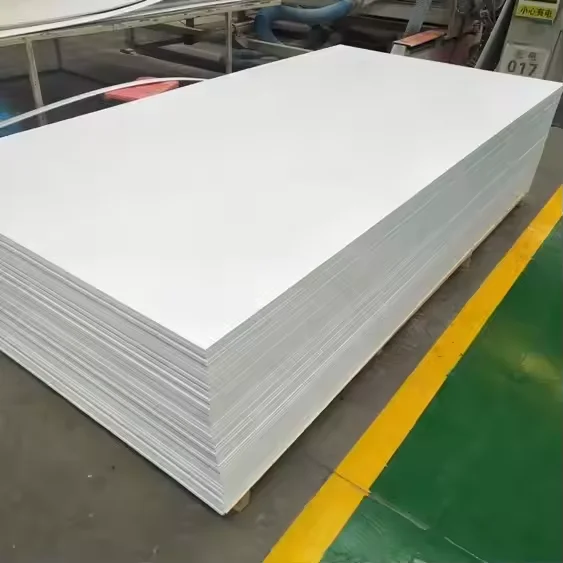
Warping occurs when environmental factors cause uneven expansion or contraction within the foam core or surface layers of paper foam board. Moisture infiltration, temperature fluctuations, improper stacking methods, and prolonged exposure to direct sunlight are the primary culprits behind this common storage problem. When warping develops, the board loses its flatness, making it unsuitable for precision mounting, framing, or printing applications. For businesses managing inventory or project pipelines, preventing warping through strategic storage practices translates directly into cost savings, reduced material waste, and improved workflow efficiency. This article provides comprehensive guidance on storing paper foam board to prevent warping, addressing environmental controls, physical handling techniques, and long-term preservation strategies.
Understanding Why Paper Foam Board Warps During Storage
The Material Structure and Its Vulnerabilities
The construction of paper foam board makes it inherently susceptible to environmental stresses. The foam core, often made from polystyrene or polyurethane, has a different coefficient of thermal expansion compared to the paper or cardstock facing layers. When temperature or humidity levels change, these materials respond at different rates, creating internal tension that manifests as warping or bowing. The paper surfaces are particularly hygroscopic, meaning they readily absorb and release moisture from the surrounding air. When one side of a paper foam board absorbs more moisture than the other, differential swelling occurs, causing the board to curve toward the drier side.
This structural vulnerability is compounded when boards are stored in conditions where airflow is uneven or where one surface receives more exposure to humidity sources than another. Understanding this fundamental material behavior is the first step toward implementing effective storage protocols. The paper layers act as a barrier to some degree, but they cannot fully protect the foam core from environmental penetration over extended periods. Additionally, the adhesive layer bonding the paper to the foam can also be affected by moisture, potentially weakening over time and contributing to delamination or surface irregularities that exacerbate warping tendencies.
Environmental Factors That Trigger Warping
Humidity is the most significant environmental factor causing warping in paper foam board storage scenarios. Relative humidity levels above sixty-five percent create conditions where paper surfaces absorb excessive moisture, while levels below thirty-five percent can cause the paper to become brittle and the foam core to contract unevenly. Rapid humidity fluctuations are particularly damaging, as they subject the material to repeated expansion and contraction cycles that gradually accumulate permanent deformation. Temperature variations work in tandem with humidity changes, as warmer air holds more moisture and can create condensation on cooler board surfaces when temperature drops occur suddenly.
Direct sunlight exposure introduces both thermal and photochemical stresses to paper foam board. Ultraviolet radiation degrades the paper fibers and can cause color shifts, while the heat from sunlight creates localized warming that drives moisture migration within the board structure. Boards stored near windows, under skylights, or in outdoor temporary storage are especially vulnerable to this combination of damaging factors. Even indirect sunlight reflected off adjacent surfaces can contribute to cumulative warping over weeks or months of storage. Recognizing these environmental triggers allows storage facility managers to identify high-risk areas and implement corrective measures before material damage occurs.
The Role of Physical Pressure and Stacking Methods
How paper foam board sheets are physically stacked and supported during storage significantly influences their tendency to warp. Uneven weight distribution across a stack can create pressure points that gradually deform individual sheets, especially those positioned in the middle of tall stacks where weight accumulation is greatest. When boards are leaned against walls at angles rather than stored flat, gravity works continuously to bend the material, and this effect intensifies as stack height or angle increases. The longer boards remain under such physical stress, the more likely they are to develop permanent warping that cannot be reversed.
Edge support becomes critical when storing paper foam board horizontally. If sheets are supported only at their ends or along one edge, the unsupported span will sag over time due to the material's own weight, especially in larger format sizes. This sagging represents a form of warping that develops gradually but can become severe enough to make the material unusable for flat-mounting applications. Additionally, when different thicknesses or densities of paper foam board are mixed within the same stack, differential compression can occur, leading to uneven surfaces and localized warping patterns. Proper stacking protocols must account for these physical factors to maintain board flatness throughout the storage period.
Optimal Environmental Conditions for Paper Foam Board Storage
Controlling Humidity Levels
Maintaining stable humidity levels between forty and fifty-five percent relative humidity represents the optimal range for paper foam board storage. This range minimizes moisture absorption while preventing excessive drying that could make paper surfaces brittle. Achieving this control typically requires active environmental management through dehumidification systems in humid climates or humidification in arid environments. Industrial-grade dehumidifiers with built-in hygrometers provide continuous monitoring and adjustment, automatically activating when humidity exceeds the upper threshold and cycling off when conditions stabilize within the target range.
For facilities without climate control infrastructure, portable dehumidifiers combined with moisture-absorbing desiccant products offer a practical alternative for dedicated storage areas. Silica gel packets, calcium chloride containers, or activated clay desiccants placed strategically within storage cabinets or enclosures help buffer against humidity spikes. Regular monitoring using digital hygrometers allows staff to track trends and identify problem periods, such as seasonal changes or weather events that drive humidity outside acceptable ranges. When humidity control proves challenging, reducing the storage duration for paper foam board inventory and implementing first-in-first-out rotation protocols can limit exposure time to suboptimal conditions.
Temperature Stability and Ventilation
Temperature consistency matters nearly as much as the absolute temperature value for paper foam board storage. Maintaining temperatures between sixty and seventy-five degrees Fahrenheit provides a comfortable range that supports stable material dimensions without excessive energy costs. More importantly, avoiding rapid temperature swings prevents the condensation formation that occurs when warm, moisture-laden air contacts cooler board surfaces. Storage areas should be located away from exterior walls, loading docks, or HVAC vents that introduce temperature variability throughout the day or across seasons.
Adequate ventilation prevents localized humidity accumulation and ensures even air distribution throughout the storage space. Stagnant air pockets allow moisture to concentrate, creating microclimates where warping risk increases substantially. Gentle air circulation using ceiling fans or strategically placed floor fans promotes uniform conditions without generating strong airflow that might disturb lightweight paper foam board sheets. Ventilation systems should draw fresh air from conditioned interior spaces rather than directly from outdoors, where uncontrolled humidity and temperature would undermine environmental stability. When designing or modifying storage facilities, incorporating vapor barriers in walls and ceilings further protects against moisture infiltration from adjacent spaces or exterior weather conditions.
Light Exposure Management
Eliminating direct sunlight exposure represents a non-negotiable requirement for paper foam board storage. Storage areas should feature opaque window coverings, interior room locations, or windowless configurations that prevent ultraviolet radiation from reaching stored materials. Even brief daily sunlight exposure accumulates over weeks to cause measurable warping and surface degradation. For spaces where windows cannot be eliminated, UV-filtering films applied to glass surfaces block harmful wavelengths while still admitting visible light, though complete light exclusion remains preferable.
Artificial lighting within storage areas should utilize LED or fluorescent fixtures that emit minimal heat and ultraviolet radiation compared to incandescent bulbs. Lights should be positioned to avoid creating hot spots on storage racks or cabinets, and motion-sensor activation reduces cumulative light exposure by ensuring illumination only when personnel are actively accessing materials. Covering stored paper foam board stacks with opaque protective sheets or storing boards within closed cabinets provides an additional layer of protection against both light and dust accumulation. These measures collectively minimize photochemical and thermal stresses that contribute to warping over extended storage periods.
Proper Physical Handling and Stacking Techniques
Horizontal Storage Best Practices
Storing paper foam board sheets in a completely horizontal orientation with full-surface support represents the gold standard for preventing warping. Purpose-built flat files, also called plan drawers or blueprint cabinets, provide ideal storage because they support the entire sheet surface and isolate individual boards or small groups in separate drawers. This configuration eliminates pressure points and prevents weight accumulation that occurs in tall stacks. For facilities managing large inventories, modular drawer systems can be expanded as needs grow while maintaining optimal storage conditions for every sheet.
When flat file cabinets are impractical due to space or budget constraints, creating horizontal storage platforms using rigid shelving provides an effective alternative. Shelves should be constructed from smooth plywood, melamine, or metal with spans supported every two to three feet to prevent sagging under the weight of stacked paper foam board. Each shelf should accommodate no more than thirty to forty sheets depending on board thickness, limiting the pressure on lower sheets while keeping stack height manageable for safe handling. Inserting acid-free tissue paper or thin polyethylene sheets between boards prevents surface abrasion and allows individual sheets to be removed without disturbing the entire stack.
Vertical Storage Considerations
Vertical storage of paper foam board should be approached cautiously and implemented only when horizontal space limitations make it necessary. When storing boards vertically, they must be fully supported along their entire bottom edge using continuous rails or grooves rather than point contacts. Vertical dividers should be installed every six to twelve inches to prevent boards from leaning and to maintain a truly vertical orientation. The storage system should grip boards firmly enough to prevent sliding while avoiding excessive compression that could damage edges or create stress concentrations.
Specialized vertical rack systems designed for panel materials incorporate these features and often include adjustable dividers to accommodate different quantities and sizes of paper foam board. When using vertical storage, it becomes even more critical to control environmental conditions since gravity continually stresses the material structure. Limiting the storage duration for vertically stored boards and rotating inventory frequently helps minimize cumulative warping risk. For mixed storage scenarios, reserve vertical positions for thicker, more rigid paper foam board grades while storing thinner, more flexible materials horizontally where they receive better support.
Protecting Edges and Corners
Edge and corner damage frequently initiates warping by disrupting the structural integrity of paper foam board. When the paper facing is torn or the foam core is crushed at edges, these damaged areas become entry points for moisture and create weak zones where bending preferentially occurs. Protecting edges during storage requires careful attention to how boards are handled during placement and removal from storage systems. Corner protectors made from cardboard, foam, or plastic should be applied to vulnerable sheets, particularly those at the top and bottom of stacks where handling frequency is highest.
Storage racks and shelves must be inspected regularly to ensure no sharp edges, protruding fasteners, or rough surfaces contact stored paper foam board. Even minor surface irregularities can create localized pressure points that gradually imprint into board surfaces over time. Lining shelf edges with foam tape or edge molding provides a cushioned contact surface that distributes pressure more evenly. When moving stacks or individual sheets, always lift and carry boards rather than dragging them across surfaces, which can catch and tear edges. These handling protocols become especially important for large-format paper foam board where the leverage forces at edges and corners increase proportionally with board dimensions.
Long-Term Storage Strategies and Inventory Management
Packaging and Wrapping Methods
For extended storage periods exceeding several months, wrapping paper foam board in protective packaging creates an additional environmental barrier that buffers against humidity fluctuations and physical damage. Polyethylene sheeting in three to four mil thickness provides moisture resistance while remaining easy to apply and remove. When wrapping boards, ensure the material is clean and dry, and avoid creating tight wraps that could impress wrinkles or folds into the board surface. The wrap should be loose enough to allow slight movement but secure enough to stay in place during normal handling.
Shrink-wrapping offers superior protection for paper foam board pallets or large quantities being stored or transported. The tight, uniform enclosure prevents moisture infiltration and keeps dust away from surfaces while stabilizing the stack against shifting. However, shrink-wrapping should only be applied after boards have been properly acclimatized to storage environment conditions to avoid trapping moisture inside the package. Including desiccant packets within wrapped bundles provides ongoing moisture absorption and helps maintain stable internal humidity. For maximum protection, wrapped paper foam board should still be stored in environmentally controlled facilities rather than relying solely on packaging to compensate for poor storage conditions.
Inventory Rotation and Stock Management
Implementing a first-in-first-out inventory system ensures that paper foam board sheets are used in the order they were received, minimizing the time any individual sheet spends in storage. This practice reduces the cumulative exposure to environmental stresses and physical pressure that contribute to warping over time. Clear labeling with receipt dates and regular inventory audits help identify older stock that should be prioritized for use or, if showing signs of deterioration, removed from inventory before warping becomes severe enough to cause project failures.
Maintaining lean inventory levels aligned with actual project demand represents the most effective long-term strategy for preventing storage-related warping. While bulk purchasing may offer cost savings, those advantages quickly disappear if a significant portion of the material becomes warped and unusable before it can be deployed. Regular demand forecasting and supplier relationship management enable just-in-time ordering that keeps storage durations short and material quality high. For businesses with seasonal demand patterns, coordinating procurement timing with peak usage periods minimizes off-season storage requirements when environmental control and handling attention may be less rigorous.
Inspection and Quality Assurance Protocols
Establishing regular inspection schedules for stored paper foam board allows early detection of warping before it progresses to the point where material must be discarded. Monthly inspections should include visual examination of stack alignment, checking for bowing or curvature, and verifying that environmental conditions remain within specified ranges. Using a straightedge or level to assess flatness provides objective measurement of warping progression and helps determine whether storage conditions require adjustment or whether specific boards should be moved to priority-use status.
Documentation of inspection findings creates a historical record that reveals patterns and trends in warping occurrence. If certain storage locations consistently show higher warping rates, this indicates localized environmental problems such as poor ventilation, proximity to moisture sources, or inadequate support structures. Similarly, if warping correlates with specific suppliers or production batches, this information feeds back into procurement decisions and supplier quality discussions. Developing standardized acceptance criteria for paper foam board condition ensures consistency in quality decisions and provides clear communication between storage personnel and project teams about material suitability for specific applications.
Corrective Actions and Recovery Techniques
Addressing Minor Warping Issues
When paper foam board develops slight warping despite proper storage efforts, several recovery techniques can restore usability for less demanding applications. Reconditioning begins by removing the affected board from storage and allowing it to acclimate to controlled conditions—ideally fifty percent relative humidity and seventy degrees Fahrenheit—for twenty-four to forty-eight hours. Placing the warped board flat on a smooth surface with light, evenly distributed weight on top can gradually reduce minor bowing as the material equalizes moisture content and internal stresses relax.
For boards that have warped due to moisture absorption on one side, the controlled application of gentle heat to the concave side can drive out excess moisture and allow the board to flatten. This must be done carefully using low heat sources such as heat lamps positioned at safe distances, with frequent monitoring to prevent overheating that could damage the foam core or paper surfaces. Once flattened, the recovered paper foam board should be used promptly rather than returned to storage where the same conditions might recreate the warping problem. It is important to recognize that these techniques work only for minor warping and cannot reliably correct severe deformation or boards that have been damaged through prolonged poor storage.
When to Remove Compromised Material from Inventory
Severe warping that persists after reconditioning attempts indicates structural changes within the paper foam board that make it unsuitable for most applications. Boards exhibiting permanent curvature exceeding one-quarter inch deviation across their surface, delamination between paper and foam layers, or localized crushing should be removed from inventory to prevent their accidental use in critical projects. Continuing to store severely compromised material wastes valuable space and creates confusion about actual usable inventory levels.
Establishing clear disposal criteria helps storage personnel make consistent decisions about when paper foam board has deteriorated beyond recovery. These criteria might include maximum allowable deviation from flatness, visible surface damage, or age limits beyond which boards are presumed unreliable regardless of apparent condition. Documenting disposal quantities and reasons provides valuable data for analyzing storage effectiveness and identifying opportunities for improvement in purchasing, handling, or environmental control. Some warped paper foam board may still have value for non-critical applications such as templates, internal mock-ups, or situations where perfect flatness is not required, allowing partial recovery of material investment while clearing premium storage space for quality stock.
Preventing Recurrence Through Process Improvement
Each instance of warping should trigger a review of storage conditions and handling procedures to identify root causes and implement preventive measures. If warping correlates with specific time periods, seasonal weather patterns may be overwhelming environmental control systems, indicating the need for capacity upgrades or supplemental equipment during challenging months. If warping occurs in particular storage locations, local airflow, temperature, or humidity issues require correction through ventilation improvements, insulation additions, or moisture barrier installations.
Staff training represents a critical component of prevention, ensuring that everyone handling paper foam board understands proper techniques and recognizes conditions that increase warping risk. Regular refresher sessions reinforce best practices and provide opportunities to address questions or challenges encountered in daily operations. Incorporating warping prevention metrics into facility performance reviews creates accountability and incentivizes continuous improvement in storage practices. By treating each warping incident as a learning opportunity rather than simply a material loss, organizations develop increasingly resilient storage systems that protect paper foam board investment and ensure material readiness for demanding applications.
FAQ
What is the ideal humidity range for storing paper foam board?
The optimal humidity range for paper foam board storage is between forty and fifty-five percent relative humidity. This range prevents excessive moisture absorption that causes swelling and warping while avoiding the brittleness that can develop in overly dry conditions. Maintaining stability within this range is more important than hitting a specific target value, as fluctuations cause repeated expansion and contraction cycles that gradually accumulate permanent deformation. Facilities without climate control should use dehumidifiers in humid environments or humidifiers in arid climates, combined with regular monitoring using digital hygrometers to track conditions and identify when corrective action is needed.
Can warped paper foam board be restored to usable condition?
Minor warping in paper foam board can sometimes be corrected through reconditioning techniques that involve acclimating the board to controlled environmental conditions and applying gentle pressure to flatten deformed areas. Placing slightly warped boards on flat surfaces under light, evenly distributed weight for twenty-four to forty-eight hours in fifty percent humidity often reduces bowing as internal stresses equalize. However, severe warping that has caused permanent structural changes, delamination, or core crushing cannot be reliably corrected and typically requires removing the material from inventory. Success with reconditioning depends on catching warping early before it becomes set, which underscores the importance of regular inspection protocols during storage.
How long can paper foam board be safely stored without developing warping?
Storage duration for paper foam board without warping depends heavily on environmental control quality and physical storage methods rather than a fixed time limit. In well-controlled facilities maintaining forty to fifty-five percent humidity, sixty-five to seventy-five degrees Fahrenheit, and proper horizontal stacking with full support, paper foam board can remain in excellent condition for six months to a year or longer. In less controlled environments or with suboptimal stacking methods, warping may begin within weeks. Implementing first-in-first-out inventory rotation and minimizing storage duration through just-in-time ordering represents the most reliable approach, ensuring material is used while still in optimal condition regardless of theoretical maximum storage periods.
Should paper foam board be stored horizontally or vertically?
Horizontal storage with full-surface support represents the preferred method for paper foam board as it distributes weight evenly across the entire sheet and eliminates gravitational stress that contributes to warping. Flat file cabinets or horizontal shelf systems with closely spaced supports provide ideal configurations that maintain board flatness throughout storage. Vertical storage can be used when space constraints make horizontal storage impractical, but requires specialized racking systems that support the entire bottom edge continuously and include frequent dividers to prevent leaning. Vertical storage increases warping risk because gravity constantly stresses the material structure, making environmental control even more critical and generally requiring shorter storage durations compared to horizontal methods.