
 EN
EN
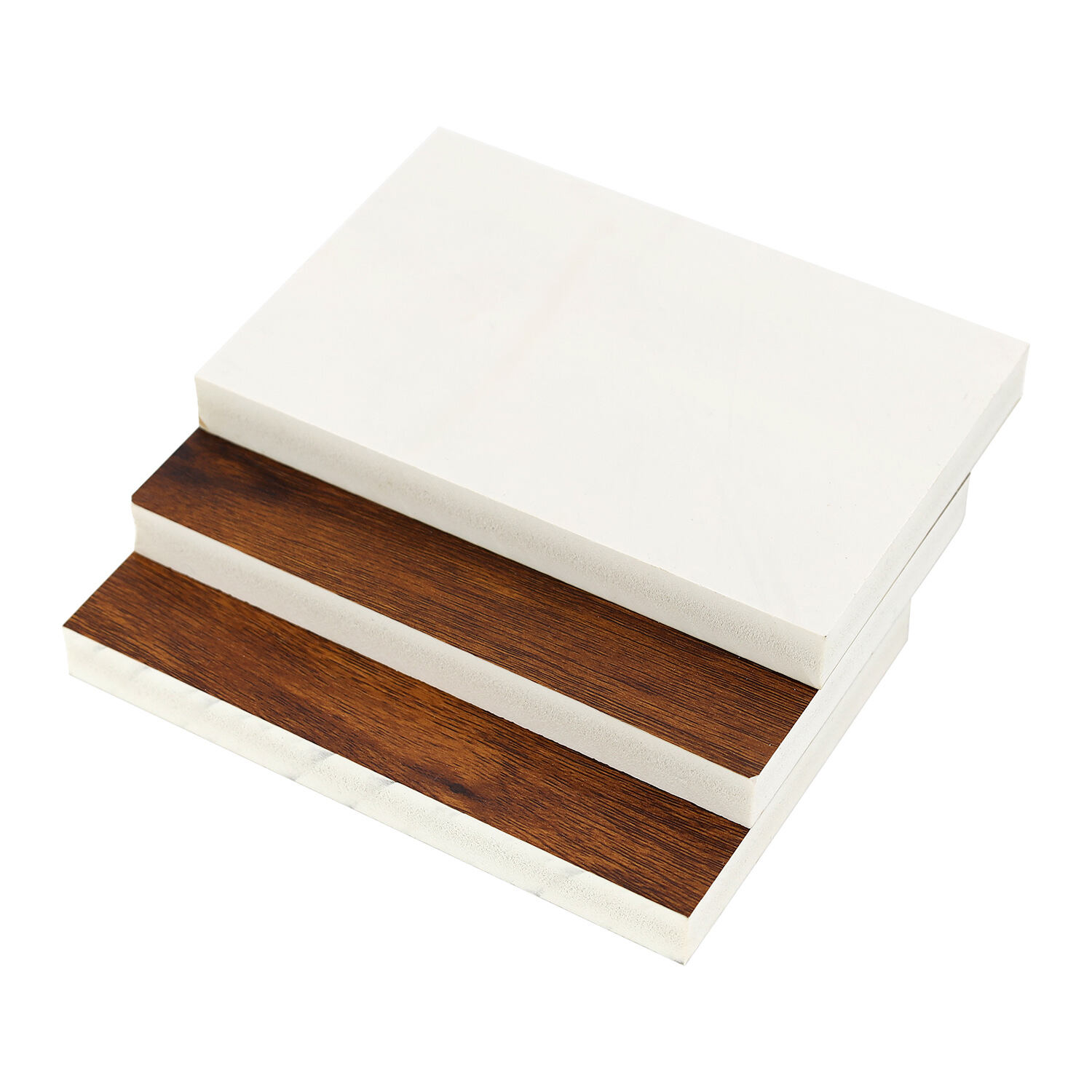
Proper maintenance of your pvc cabinet sheet surfaces is essential for preserving their aesthetic appeal and extending their lifespan. Whether you've invested in premium kitchen cabinetry or bathroom vanities, understanding the correct care techniques will ensure your surfaces remain pristine for years to come. The durability and versatility of pvc cabinet sheet materials make them increasingly popular in modern interior design, but like any surface material, they require specific maintenance approaches to maintain their original luster and functionality.

Understanding PVC Cabinet Sheet Properties
Material Composition and Characteristics
The synthetic polymer structure of pvc cabinet sheet creates a non-porous surface that resists moisture, stains, and bacterial growth. This unique composition makes maintenance relatively straightforward compared to traditional wood materials. The smooth finish typical of quality pvc cabinet sheet products allows for easy cleaning while maintaining resistance to common household chemicals and cleaning agents.
Understanding the thermal properties of your pvc cabinet sheet is crucial for proper care. These materials can withstand moderate temperature variations but may expand or contract with extreme heat exposure. The flexibility inherent in pvc cabinet sheet construction allows for minor adjustments without compromising structural integrity, making them ideal for various environmental conditions.
Surface Finish Variations
Different pvc cabinet sheet products feature varying surface textures, from high-gloss finishes to matte or textured surfaces. Each finish type requires slightly different maintenance approaches to preserve its intended appearance. Glossy pvc cabinet sheet surfaces show fingerprints and water spots more readily but are easier to clean, while textured surfaces may require more attention to prevent dirt accumulation in surface irregularities.
The protective coating applied to premium pvc cabinet sheet materials enhances durability and simplifies maintenance procedures. These specialized coatings create an additional barrier against scratches, chemical damage, and UV exposure, ensuring your investment maintains its value and appearance over time.
Daily Cleaning and Maintenance Routines
Basic Cleaning Procedures
Establishing a consistent daily cleaning routine prevents the accumulation of dirt, grease, and moisture that can compromise your pvc cabinet sheet surfaces. Begin with a microfiber cloth slightly dampened with warm water to remove surface dust and light soil. The gentle action of microfiber effectively captures particles without scratching the pvc cabinet sheet finish.
For areas exposed to cooking oils or bathroom moisture, prepare a mild solution using dish soap and warm water. Apply the solution sparingly with a clean cloth, working in circular motions to lift stubborn residues. Always follow up with a dry microfiber cloth to eliminate water spots and ensure your pvc cabinet sheet surfaces maintain their intended sheen.
Preventing Common Damage
Proactive protection measures significantly extend the life of your pvc cabinet sheet installations. Use coasters and trivets to protect surfaces from hot cookware and beverages, as excessive heat can cause permanent discoloration or warping. Install soft-close hinges and drawer slides to minimize impact damage during daily use.
Regular inspection of your pvc cabinet sheet surfaces allows for early detection of potential issues. Check for loose edges, small scratches, or areas where moisture may be penetrating seams. Addressing these concerns promptly prevents minor problems from developing into costly repairs or replacements.
Deep Cleaning Techniques
Monthly Intensive Cleaning
Schedule comprehensive cleaning sessions monthly to address accumulated grime and maintain the pristine appearance of your pvc cabinet sheet surfaces. Prepare a cleaning solution using one part white vinegar to three parts warm water for effective degreasing without harsh chemicals. The acidic properties of vinegar naturally dissolve soap scum and mineral deposits while being gentle on pvc cabinet sheet materials.
Pay special attention to handle areas and edges where dirt and oils naturally accumulate. Use a soft-bristled toothbrush to gently clean around hardware and detailed areas of your pvc cabinet sheet installation. This thorough approach ensures every surface area receives proper attention and maintains consistent appearance throughout your cabinetry.
Stain Removal Strategies
When addressing stubborn stains on pvc cabinet sheet surfaces, identify the stain type before selecting appropriate removal methods. For organic stains like coffee or juice, create a paste using baking soda and water, allowing it to sit for fifteen minutes before gentle scrubbing. Oil-based stains respond well to degreasing dish soap applied directly to the affected area.
Avoid abrasive cleaners or scouring pads that can permanently damage the smooth finish of your pvc cabinet sheet. Instead, use plastic scrapers or credit cards to gently remove dried-on substances before applying liquid cleaners. This methodical approach preserves the integrity of your pvc cabinet sheet while effectively addressing challenging stains.
Long-term Care and Protection
Environmental Considerations
Maintaining optimal environmental conditions protects your pvc cabinet sheet investment from premature aging and damage. Control humidity levels between 30-50% to prevent expansion and contraction cycles that can stress joint connections. Use exhaust fans during cooking and bathing to remove excess moisture that could affect pvc cabinet sheet stability over time.
Position pvc cabinet sheet installations away from direct sunlight when possible, as prolonged UV exposure can cause fading or discoloration. Install window treatments or UV-filtering films to protect your cabinetry in rooms with significant natural light exposure. This preventive approach maintains color consistency across all pvc cabinet sheet surfaces.
Hardware Maintenance
Regular maintenance of cabinet hardware ensures smooth operation and prevents damage to your pvc cabinet sheet surfaces. Lubricate hinges and drawer slides annually with appropriate mechanical lubricants to prevent binding and excessive force during operation. Tighten loose screws promptly to maintain proper alignment and prevent stress on pvc cabinet sheet mounting points.
Inspect mounting hardware for signs of corrosion or wear that could compromise the security of your pvc cabinet sheet installation. Replace damaged hardware immediately to prevent potential failure that could result in costly repairs or safety hazards. Quality hardware maintenance directly correlates with the longevity of your entire pvc cabinet sheet system.
Troubleshooting Common Issues
Addressing Surface Scratches
Minor scratches in pvc cabinet sheet surfaces can often be minimized using appropriate repair techniques. For light surface scratches, apply a small amount of plastic polish with a microfiber cloth, working in circular motions until the scratch becomes less visible. This method works particularly well on smooth pvc cabinet sheet finishes where the damage hasn't penetrated deeply.
Deeper scratches may require professional assessment to determine if repair or replacement is necessary. Document any significant damage with photographs and contact your pvc cabinet sheet manufacturer or installer for guidance on warranty coverage or repair options. Acting quickly prevents water infiltration that could compromise the underlying substrate.
Managing Discoloration
Discoloration in pvc cabinet sheet materials typically results from chemical exposure, excessive heat, or UV damage. Identify the source of discoloration before attempting correction measures. Surface-level discoloration may respond to gentle cleaning with specialized plastic cleaners, while deeper color changes often require professional intervention or surface replacement.
Prevent future discoloration by avoiding harsh chemicals and implementing the protective measures discussed earlier. Regular cleaning and proper environmental controls significantly reduce the risk of color changes in your pvc cabinet sheet installation. When discoloration does occur, address it promptly to prevent further deterioration.
FAQ
How often should I clean my pvc cabinet sheet surfaces
Daily light cleaning with a microfiber cloth is recommended for high-use areas, while comprehensive cleaning should be performed monthly. Kitchen pvc cabinet sheet installations may require more frequent attention due to cooking oils and moisture exposure, while bathroom applications benefit from immediate cleanup after use to prevent soap scum buildup.
Can I use bleach or harsh chemicals on pvc cabinet sheet materials
Avoid bleach and harsh chemical cleaners as they can cause discoloration or surface damage to pvc cabinet sheet materials. Stick to mild dish soap, white vinegar solutions, or cleaners specifically designed for synthetic surfaces. Always test cleaning products on an inconspicuous area before applying to visible surfaces.
What should I do if my pvc cabinet sheet starts to peel or separate
Peeling or separation typically indicates adhesive failure or moisture infiltration and requires prompt professional attention. Stop using the affected area immediately and contact your installer or manufacturer for assessment. Attempting DIY repairs on separating pvc cabinet sheet can worsen the problem and potentially void warranty coverage.
How can I restore the shine to dull pvc cabinet sheet surfaces
Use a plastic polish or restorer specifically designed for synthetic surfaces to restore shine to dull pvc cabinet sheet finishes. Apply the product according to manufacturer instructions using a clean microfiber cloth. Regular use of appropriate polish products helps maintain the original luster while providing additional protection against future dulling.