
 EN
EN
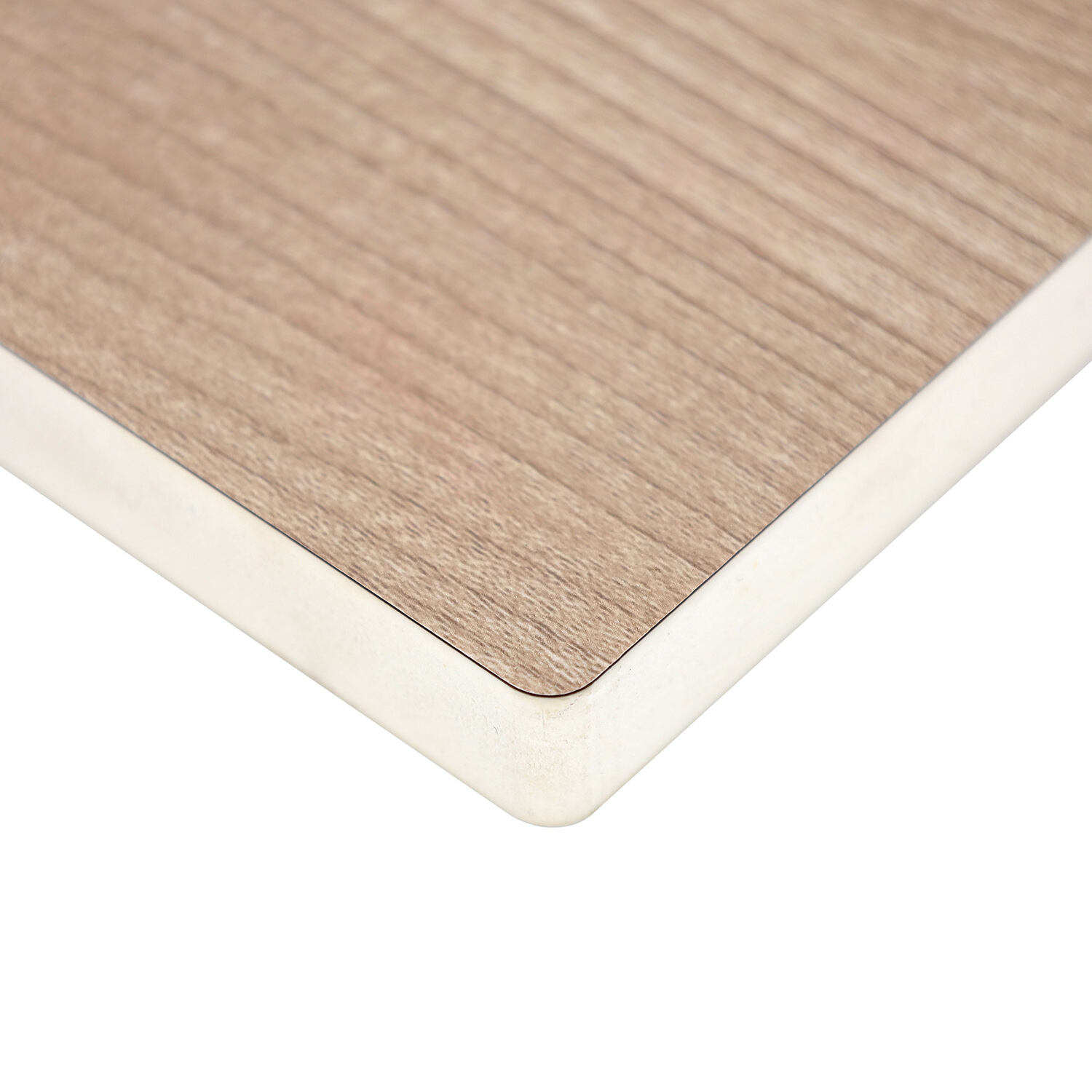
When planning a kitchen renovation or designing new cabinetry, material selection significantly impacts both upfront costs and long-term value. The pvc cabinet sheet has emerged as a compelling alternative to traditional materials like solid wood, plywood, and MDF. Understanding the comprehensive cost comparison between these options helps homeowners and contractors make informed decisions that balance budget constraints with performance requirements. Modern manufacturing techniques have elevated pvc cabinet sheet quality while maintaining competitive pricing structures that challenge conventional material hierarchies.
Initial Investment Analysis
Material Purchase Costs
The upfront material costs reveal significant differences between pvc cabinet sheet and traditional alternatives. Standard pvc cabinet sheet typically ranges from $25 to $45 per square foot, depending on thickness, finish quality, and manufacturer specifications. In comparison, solid wood cabinet materials can cost $60 to $150 per square foot for premium species like cherry or maple. Plywood alternatives generally fall between $30 to $80 per square foot, while medium-density fiberboard ranges from $20 to $40 per square foot. These price variations reflect raw material costs, manufacturing complexity, and market positioning strategies across different product categories.
Processing and Fabrication Expenses
Manufacturing requirements significantly influence total project costs beyond raw material pricing. The pvc cabinet sheet requires specialized cutting tools and techniques but generally processes faster than hardwood alternatives. Fabrication labor costs for pvc materials typically run 15-25% lower than solid wood due to reduced machining time and simpler finishing requirements. Traditional wood materials demand extensive sanding, staining, and sealing processes that increase labor hours substantially. Edge banding and surface preparation steps also vary considerably, with pvc options offering streamlined installation procedures that reduce overall project timelines and associated labor expenses.
Long-Term Value Considerations
Durability and Maintenance Requirements
Evaluating long-term costs requires examining maintenance schedules and replacement frequencies across material types. The pvc cabinet sheet demonstrates exceptional resistance to moisture, temperature fluctuations, and daily wear patterns that commonly affect kitchen environments. Traditional wood materials require periodic refinishing, typically every 5-8 years, with costs ranging from $15 to $25 per square foot for professional restoration services. Plywood and MDF alternatives show vulnerability to moisture damage, potentially requiring complete replacement within 10-15 years in high-humidity environments. These maintenance cycles significantly impact total ownership costs over typical cabinet lifespans of 20-25 years.
Performance Under Environmental Stress
Environmental factors create hidden costs that affect material selection decisions. Modern pvc cabinet sheet formulations resist warping, splitting, and dimensional changes that commonly plague wood-based alternatives. Humidity variations cause solid wood to expand and contract, creating alignment issues and hardware problems that require professional adjustment services. Temperature cycling in kitchens with varying cooking loads affects material stability differently, with pvc options maintaining consistent dimensions while traditional materials may develop gaps or binding issues. These environmental responses translate into repair costs and potential replacement expenses that accumulate over extended usage periods.
Installation and Labor Cost Variables
Skilled Labor Requirements
Installation complexity varies substantially between material types, directly affecting project budgets through labor cost differences. Working with pvc cabinet sheet generally requires less specialized expertise compared to premium hardwood installation. Standard carpentry skills suffice for most pvc applications, while solid wood cabinetry often demands experienced craftsmen familiar with wood grain patterns, expansion compensation, and finishing techniques. Labor rates for specialized woodworkers typically exceed general construction wages by 20-40%, making material choice a significant factor in total project costs. Regional labor availability also influences pricing, with areas having limited experienced woodworkers showing higher cost premiums for traditional materials.
Timeline and Scheduling Impacts
Project duration affects costs through extended labor commitments and delayed occupancy schedules. The streamlined processing characteristics of pvc cabinet sheet enable faster installation cycles compared to traditional materials requiring extensive on-site finishing work. Wood-based projects often involve multiple coating applications with required drying times between steps, extending project timelines by several days or weeks. These delays translate into higher labor costs and extended inconvenience periods that may require temporary kitchen arrangements. Faster installation cycles with pvc materials reduce total labor hours while minimizing disruption to household routines and potentially avoiding temporary accommodation expenses during major renovations.
Market Positioning and Value Perception
Resale Value Implications
Understanding market perceptions helps evaluate long-term investment returns across different material choices. Traditional solid wood cabinetry generally commands premium resale values due to established consumer preferences for natural materials. However, high-quality pvc cabinet sheet installations increasingly receive positive market reception as awareness of performance benefits grows among homebuyers. Real estate professionals report that well-executed pvc installations often appraise comparably to mid-range wood alternatives, particularly when emphasizing durability and low-maintenance characteristics. Market trends suggest growing acceptance of engineered materials that deliver superior performance metrics compared to traditional options, potentially narrowing resale value gaps over time.
Style Versatility and Design Options
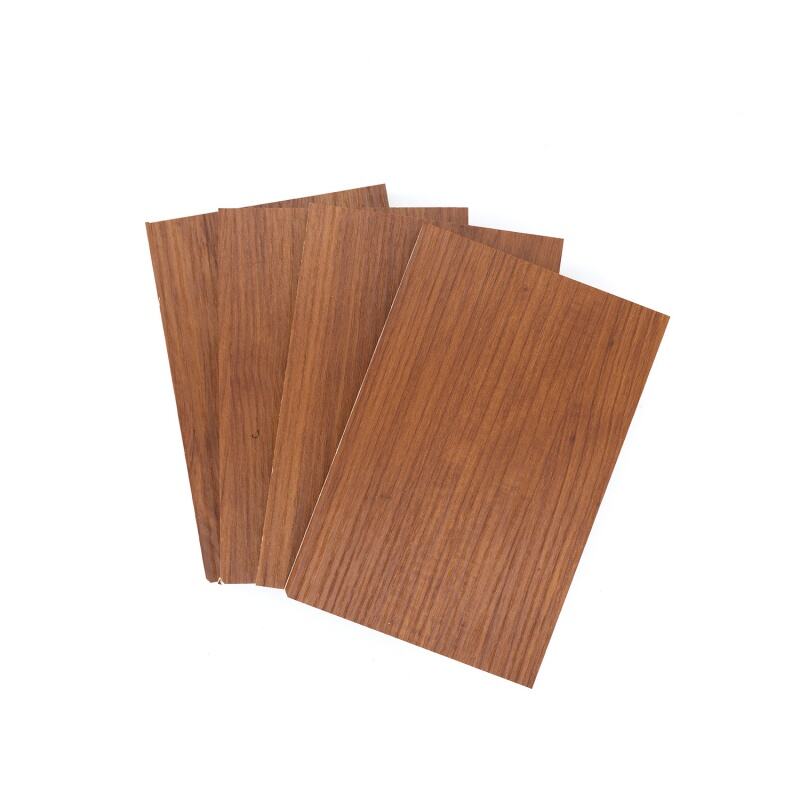
Design flexibility affects perceived value and potential market appeal across diverse consumer segments. Modern pvc cabinet sheet manufacturing techniques produce realistic wood grain textures, solid colors, and contemporary finishes that satisfy varied aesthetic preferences. Traditional materials offer authentic grain patterns and natural color variations that appeal to consumers preferring genuine wood characteristics. However, pvc options provide consistent appearance without natural defects, color variations, or grain irregularities that may limit design coordination. The ability to achieve precise color matching and uniform surface textures with pvc materials enables design continuity that traditional materials cannot guarantee, potentially offsetting perceived authenticity advantages in certain market segments.
Total Cost of Ownership Analysis
Lifecycle Cost Calculations
Comprehensive cost analysis requires examining all expenses across typical cabinet lifespans to determine true value propositions. Initial material and installation costs represent only portion of total ownership expenses when maintenance, repair, and replacement cycles are considered. The superior moisture resistance and dimensional stability of pvc cabinet sheet typically result in lower annual maintenance costs compared to wood alternatives requiring periodic refinishing and hardware adjustments. Calculating net present value of these ongoing expenses often reveals that higher upfront costs for traditional materials exceed total pvc costs over 15-20 year periods. These calculations become particularly relevant for rental properties or commercial applications where maintenance efficiency directly impacts profitability margins.
Insurance and Warranty Considerations
Risk management factors influence total cost structures through insurance premiums and warranty coverage differences. Many pvc cabinet sheet manufacturers offer extended warranties covering material defects and performance characteristics for periods exceeding traditional wood product coverage. Moisture-related damage represents a significant insurance claim category for kitchen renovations, with pvc materials showing substantially lower claim frequencies compared to wood alternatives. Some insurance providers offer premium reductions for properties featuring moisture-resistant materials in high-risk areas like kitchens and bathrooms. These risk mitigation benefits contribute to total cost advantages that may not be immediately apparent during initial material selection processes but accumulate significant value over extended ownership periods.
Regional Market Variations
Geographic Cost Differences
Regional market conditions create substantial cost variations that influence material selection decisions across different geographic areas. Areas with abundant timber resources often feature competitive pricing for traditional wood materials, while regions requiring long-distance transportation show higher wood costs that favor pvc cabinet sheet alternatives. Urban markets with higher labor costs may demonstrate greater price advantages for materials requiring less skilled installation labor. Climate considerations also affect regional preferences, with humid coastal areas showing increased adoption of moisture-resistant pvc options despite potentially higher material costs. Understanding local market dynamics helps optimize material selection decisions based on regional cost structures and performance requirements specific to local environmental conditions.
Supply Chain and Availability Factors
Material availability and supply chain reliability affect project costs through pricing stability and delivery scheduling considerations. The pvc cabinet sheet manufacturing utilizes globally available raw materials with relatively stable pricing structures compared to wood markets subject to seasonal variations and regional supply disruptions. Traditional lumber markets experience significant price volatility due to weather events, trade policies, and harvesting restrictions that can dramatically impact project budgets during planning and execution phases. Consistent pvc material availability enables more predictable project costing and scheduling, reducing risks associated with material price escalation or delivery delays that commonly affect wood-based projects. These supply chain advantages provide additional cost certainty that benefits both contractors and property owners planning renovation projects.
FAQ
How does the initial cost of pvc cabinet sheet compare to solid wood options
The pvc cabinet sheet typically costs 30-50% less than premium solid wood materials like cherry or maple, with prices ranging from $25-45 per square foot compared to $60-150 for hardwood alternatives. When including installation labor, the cost advantage often increases to 40-60% due to simplified processing requirements and faster installation cycles that reduce total labor hours.
What maintenance costs should I expect with different cabinet materials over 20 years
Traditional wood cabinets require refinishing every 5-8 years at $15-25 per square foot, totaling $45-75 per square foot over 20 years. The pvc cabinet sheet typically requires only periodic cleaning with standard household cleaners, resulting in maintenance costs under $5 per square foot over the same period, creating substantial long-term savings.
Do pvc cabinet materials affect home resale value compared to wood cabinets
High-quality pvc cabinet sheet installations increasingly receive comparable appraisal values to mid-range wood alternatives, particularly when emphasizing durability and low-maintenance benefits. While premium hardwood still commands highest resale premiums, well-executed pvc installations often outperform lower-grade wood alternatives in market perception and actual resale performance.
Are there hidden costs associated with choosing pvc over traditional materials
The pvc cabinet sheet actually reduces hidden costs through superior moisture resistance, eliminating risks of water damage repairs and warranty claims common with wood materials. Installation requires standard tools without specialized woodworking equipment, and the consistent material properties prevent issues like warping or splitting that create unexpected repair expenses with traditional alternatives.
Table of Contents
- Initial Investment Analysis
- Long-Term Value Considerations
- Installation and Labor Cost Variables
- Market Positioning and Value Perception
- Total Cost of Ownership Analysis
- Regional Market Variations
-
FAQ
- How does the initial cost of pvc cabinet sheet compare to solid wood options
- What maintenance costs should I expect with different cabinet materials over 20 years
- Do pvc cabinet materials affect home resale value compared to wood cabinets
- Are there hidden costs associated with choosing pvc over traditional materials