
 EN
EN
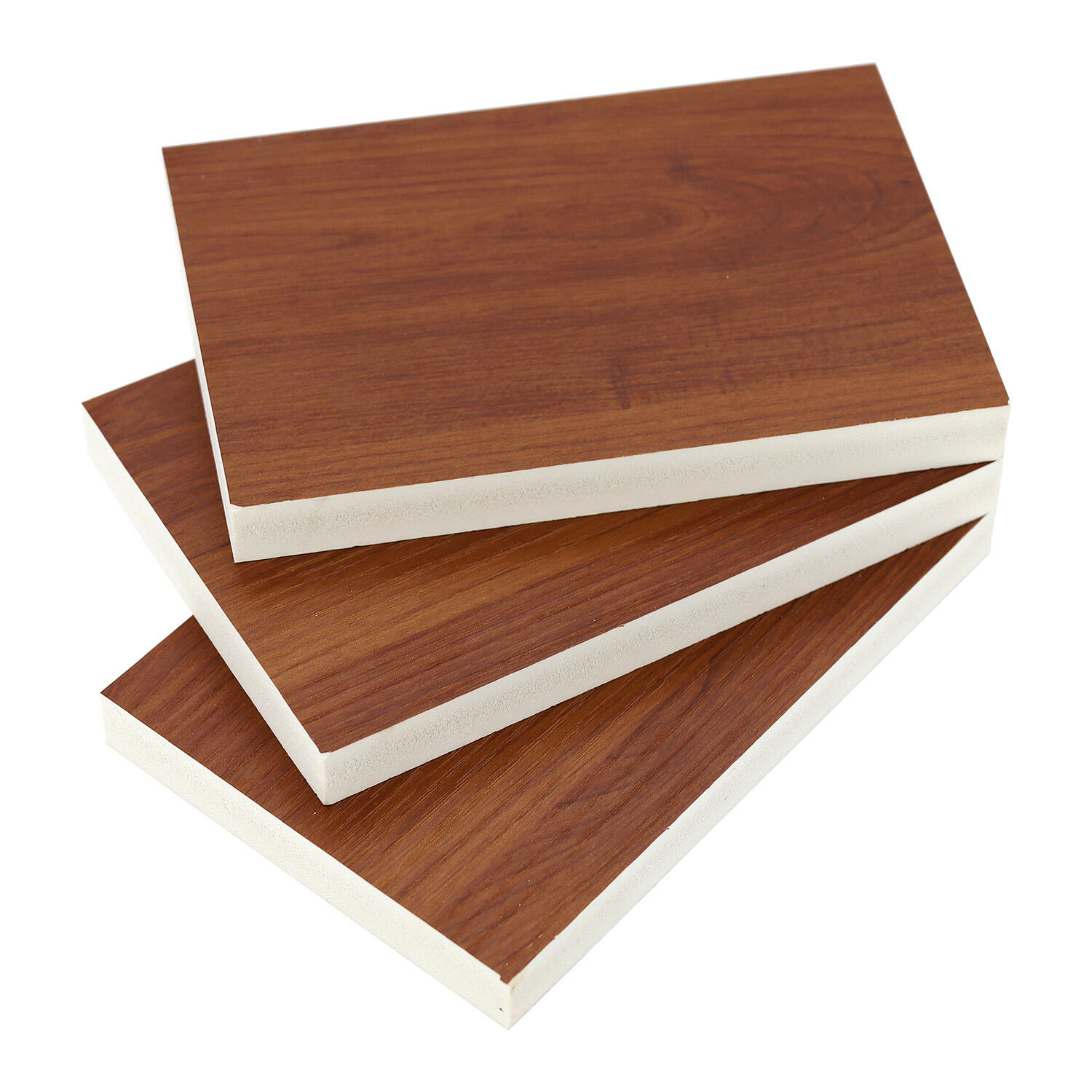
Modern kitchen design has embraced innovative materials that combine durability, aesthetics, and cost-effectiveness. Among these materials, PVC cabinet sheets have emerged as a leading choice for homeowners and designers seeking versatile solutions for contemporary kitchen spaces. These synthetic materials offer exceptional resistance to moisture, heat, and daily wear while maintaining an attractive appearance that complements various design themes. The growing popularity of PVC cabinet sheets stems from their ability to mimic natural materials like wood and stone while providing superior performance characteristics that traditional materials cannot match.
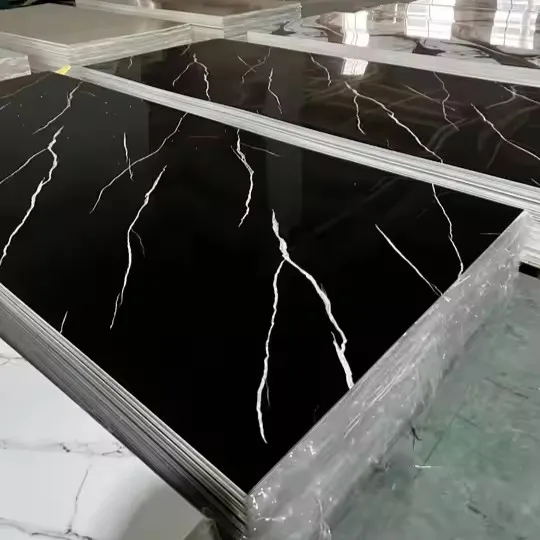
Understanding PVC Cabinet Sheet Technology
Manufacturing Process and Material Composition
The production of high-quality PVC cabinet sheets involves sophisticated manufacturing processes that ensure consistent quality and performance. Premium manufacturers utilize advanced extrusion techniques combined with specialized surface treatments to create sheets that possess both structural integrity and visual appeal. The base material consists of polyvinyl chloride polymers that are enhanced with stabilizers, plasticizers, and colorants to achieve desired properties. Modern production facilities employ multi-layer lamination processes that bond decorative films to the PVC substrate, creating products that resist fading, scratching, and chemical damage.
Quality control measures throughout the manufacturing process ensure that each sheet meets stringent specifications for thickness tolerance, surface finish, and dimensional stability. Advanced testing protocols evaluate factors such as impact resistance, thermal expansion, and adhesion strength to guarantee long-term performance in kitchen environments. The incorporation of UV stabilizers prevents color degradation when exposed to natural or artificial lighting, while antimicrobial additives inhibit bacterial growth on cabinet surfaces.
Performance Characteristics and Benefits
PVC cabinet sheets demonstrate exceptional performance characteristics that make them ideal for kitchen applications. Their non-porous surface structure prevents moisture absorption, eliminating concerns about warping, swelling, or delamination that commonly affect traditional wood-based materials. The inherent chemical resistance of PVC provides protection against household cleaners, cooking oils, and acidic substances that frequently contact cabinet surfaces during normal kitchen use.
Temperature stability represents another significant advantage, as quality PVC sheets maintain their structural integrity and appearance when exposed to the heat generated by cooking appliances. The material's low thermal conductivity helps maintain comfortable surface temperatures while providing insulation properties that contribute to energy efficiency. Additionally, the smooth surface texture facilitates easy cleaning and maintenance, requiring only simple wiping with standard household cleaners to maintain pristine appearance.
Leading Manufacturers in the PVC Cabinet Sheet Market
International Industry Leaders
Several multinational corporations have established themselves as dominant forces in the global PVC cabinet sheet market through consistent innovation and quality excellence. These companies invest heavily in research and development to create products that meet evolving consumer preferences and regulatory requirements. Their extensive distribution networks ensure product availability across diverse geographic markets while maintaining consistent quality standards through rigorous supplier management and quality assurance programs.
Market leaders distinguish themselves through comprehensive product portfolios that encompass various thickness options, surface textures, and decorative patterns. Their technical expertise enables the development of specialized formulations that address specific application requirements, such as enhanced flame resistance for commercial kitchens or improved scratch resistance for high-traffic residential environments. These companies also provide extensive technical support and installation guidance to ensure optimal product performance and customer satisfaction.
Emerging Regional Manufacturers
Regional manufacturers have gained significant market share by focusing on localized customer needs and providing competitive pricing structures. These companies often leverage proximity to raw material sources and lower operational costs to offer attractive value propositions while maintaining acceptable quality standards. Their agility in responding to market trends and customer feedback allows them to introduce new products and modifications more rapidly than larger multinational competitors.
Many regional manufacturers have invested in modern production equipment and quality management systems to compete effectively with established brands. Their success often relies on building strong relationships with local distributors and contractors while providing personalized customer service that larger companies may struggle to match. Some have achieved recognition for innovative surface treatments or unique decorative effects that differentiate their products in competitive markets.
Design Trends and Aesthetic Considerations
Contemporary Surface Finishes and Textures
Modern pvc cabinet sheet designs incorporate sophisticated surface treatments that create realistic wood grain patterns, stone textures, and contemporary solid colors. Advanced digital printing technologies enable manufacturers to reproduce intricate natural patterns with remarkable accuracy, while embossing processes add tactile dimensions that enhance the visual realism. These surface treatments are engineered to withstand repeated cleaning and handling without showing wear or losing their definition.
High-gloss finishes have gained popularity for their ability to reflect light and create illusions of increased space in smaller kitchens. Conversely, matte and satin finishes provide sophisticated appearances that hide fingerprints and minor surface imperfections while maintaining easy cleanability. Textured surfaces offer practical benefits by providing better grip for cabinet doors and drawers while adding visual interest through shadow patterns and depth variations.
Color Coordination and Kitchen Integration
Successful kitchen design requires careful consideration of how cabinet surfaces interact with other design elements including countertops, backsplashes, and appliances. Premium PVC cabinet sheet manufacturers offer extensive color palettes that coordinate with popular countertop materials and hardware finishes. These coordinated systems simplify the design process while ensuring harmonious color relationships throughout the kitchen space.
Neutral color schemes continue to dominate kitchen design trends, with manufacturers responding by developing subtle variations in white, gray, and beige tones that provide visual depth without overwhelming other design elements. Bold accent colors are increasingly incorporated through strategic placement on kitchen islands or feature walls, allowing homeowners to express personal style while maintaining overall design cohesion.
Installation Considerations and Technical Requirements
Substrate Preparation and Adhesion Methods
Successful installation of PVC cabinet sheets requires careful attention to substrate preparation and adhesive selection. The underlying surface must be clean, dry, and free from contaminants that could compromise adhesion strength. Proper surface preparation includes sanding to create appropriate texture for mechanical bonding while removing any existing finishes that might interfere with adhesive performance.
Professional installers utilize specialized adhesives formulated specifically for PVC applications, ensuring optimal bonding strength and longevity. These adhesives must accommodate the thermal expansion characteristics of both the PVC sheet and substrate materials while maintaining flexibility that prevents stress cracking or delamination. Application techniques require precise timing and pressure distribution to achieve uniform bonding across the entire surface area.
Edge Sealing and Finishing Techniques
Edge treatment represents a critical aspect of PVC cabinet sheet installation that significantly impacts both appearance and performance. Professional techniques include heat welding, solvent bonding, and mechanical fastening methods that create seamless joints resistant to moisture infiltration and mechanical stress. The selection of appropriate edge sealing methods depends on factors such as joint configuration, expected stress levels, and aesthetic requirements.
Proper edge finishing requires specialized tools and techniques to achieve clean, professional appearances that complement the overall cabinet design. Router-based trimming methods create precise edges that accept standard cabinet hardware while maintaining dimensional accuracy. Heat-forming techniques enable the creation of curved edges and complex profiles that enhance design flexibility and visual appeal.
Maintenance and Longevity Factors
Cleaning Protocols and Surface Care
Maintaining the appearance and performance of PVC cabinet sheets requires adherence to appropriate cleaning protocols that preserve surface integrity while removing accumulated soil and contaminants. Regular cleaning with mild detergent solutions effectively removes most household soils without damaging the surface finish or underlying material structure. The non-porous nature of PVC surfaces prevents bacterial growth and facilitates thorough sanitization using standard household disinfectants.
Avoiding abrasive cleaning materials and harsh chemicals extends the service life of PVC cabinet sheets while maintaining their original appearance. Microfiber cloths and soft brushes provide effective cleaning action without creating surface scratches or dulling glossy finishes. Prompt removal of spills prevents staining and chemical etching that could permanently damage decorative surface treatments.
Repair and Restoration Options
Minor damage to PVC cabinet sheets can often be addressed through localized repair techniques that restore both appearance and functionality. Surface scratches may be minimized using specialized polishing compounds, while small dents or impacts might be corrected through controlled heating and reforming procedures. These repair methods require appropriate tools and techniques to avoid creating additional damage or visible repair marks.
For more extensive damage, partial replacement of affected sections may be necessary to maintain overall cabinet appearance and integrity. Professional repair services have access to matching materials and specialized techniques that ensure seamless integration with existing surfaces. Preventive measures such as using protective pads under small appliances and installing soft-close hardware reduce the likelihood of damage occurrence.
Cost Analysis and Value Proposition
Initial Investment Considerations
The cost structure of PVC cabinet sheet installations encompasses material costs, labor requirements, and associated hardware expenses that collectively determine total project investment. Material costs vary significantly based on quality levels, surface treatments, and brand reputation, with premium products commanding higher prices due to enhanced performance characteristics and aesthetic qualities. Budget-conscious consumers can achieve satisfactory results with mid-range products that offer acceptable durability and appearance at lower price points.
Labor costs depend on project complexity, local market conditions, and installer expertise levels. Professional installation ensures optimal results but increases total project costs, while do-it-yourself approaches can reduce expenses for homeowners with appropriate skills and tools. The availability of pre-fabricated components and simplified installation systems has made PVC cabinet sheet projects more accessible to homeowner installation efforts.
Long-term Value and Return on Investment
The long-term value proposition of PVC cabinet sheets includes reduced maintenance requirements, extended service life, and potential energy savings compared to alternative materials. The durability and stability of quality PVC sheets minimize replacement and repair costs over time while maintaining attractive appearances that support property values. Their resistance to moisture, insects, and decay eliminates many maintenance issues associated with traditional wood-based cabinet materials.
Energy efficiency benefits result from the insulation properties of PVC materials and their contribution to improved kitchen environmental control. The smooth surfaces facilitate efficient cleaning routines that reduce labor and cleaning supply costs over time. Additionally, the ability to refresh kitchen appearances through surface treatments or partial replacements provides flexibility for future design updates without complete cabinet replacement.
FAQ
How long do PVC cabinet sheets typically last in kitchen environments
Quality PVC cabinet sheets can provide 15-25 years of reliable service in typical residential kitchen environments when properly installed and maintained. Their resistance to moisture, heat, and chemical exposure contributes to extended service life compared to many traditional materials. Regular cleaning and avoiding excessive impact or heat exposure maximizes longevity.
Can PVC cabinet sheets be painted or refinished
While PVC surfaces can accept certain types of paint with appropriate preparation and primer application, the results may not match the durability and appearance of factory-applied finishes. Many manufacturers offer surface renewal services or replacement options that provide better long-term results than field painting. Consult with the manufacturer for recommended refinishing options.
Are PVC cabinet sheets environmentally friendly
Modern PVC cabinet sheets incorporate recycled content and are fully recyclable at the end of their service life. Many manufacturers have implemented sustainable production practices that reduce environmental impact while maintaining product quality. The extended service life of PVC sheets reduces replacement frequency and associated environmental costs compared to shorter-lived alternatives.
What thickness options are available for PVC cabinet sheets
PVC cabinet sheets are commonly available in thicknesses ranging from 0.5mm to 3mm, with specific options varying by manufacturer and application requirements. Thicker sheets provide enhanced durability and dimensional stability but may require modified installation techniques. The appropriate thickness depends on substrate characteristics, expected stress levels, and performance requirements for specific applications.