
 EN
EN
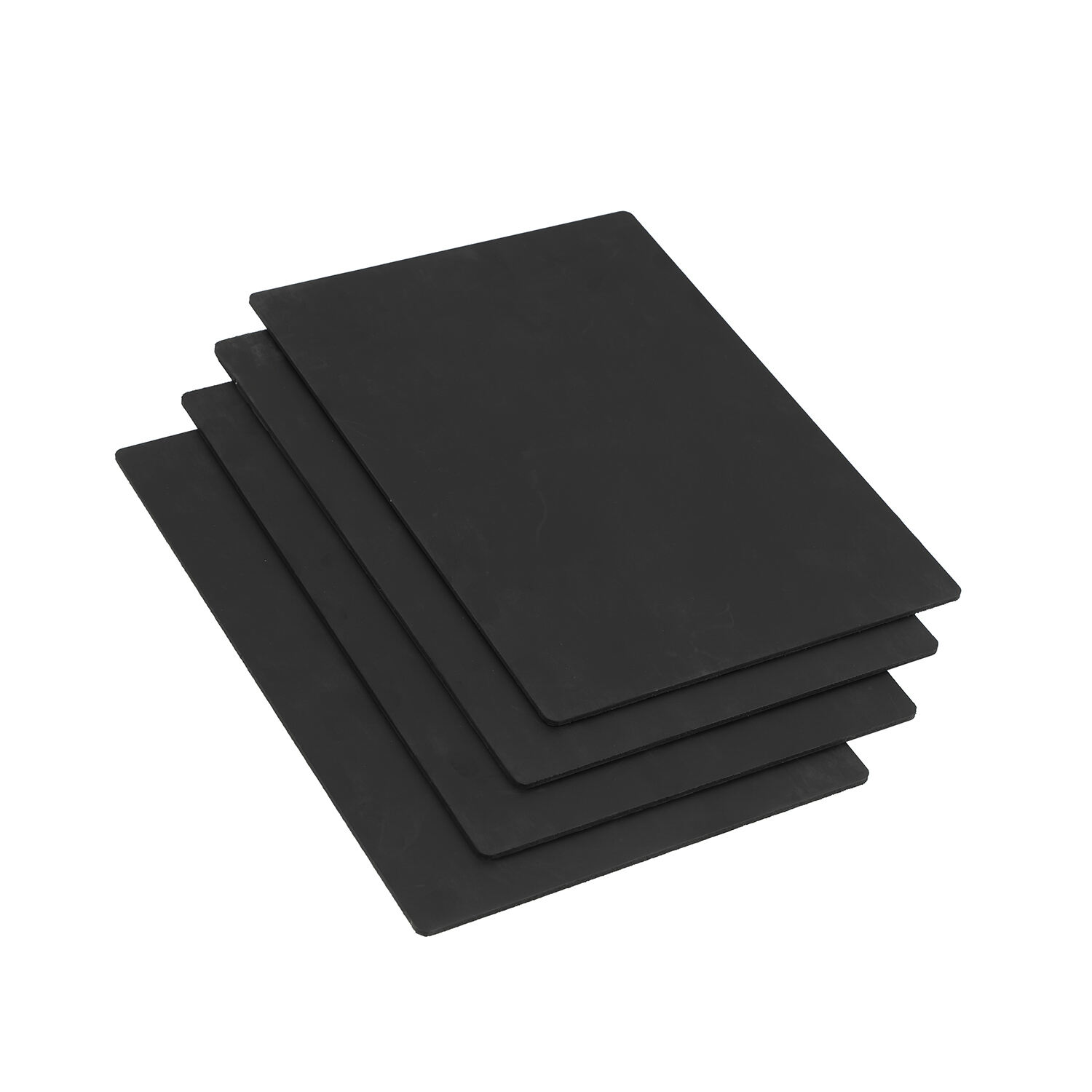
Installing PVC foam board correctly ensures optimal performance and longevity in various applications ranging from construction to signage. This versatile material has gained significant popularity due to its lightweight nature, excellent insulation properties, and resistance to moisture and chemicals. Understanding proper installation techniques is crucial for achieving professional results whether you're working on interior partitioning, exterior cladding, or specialized industrial applications.
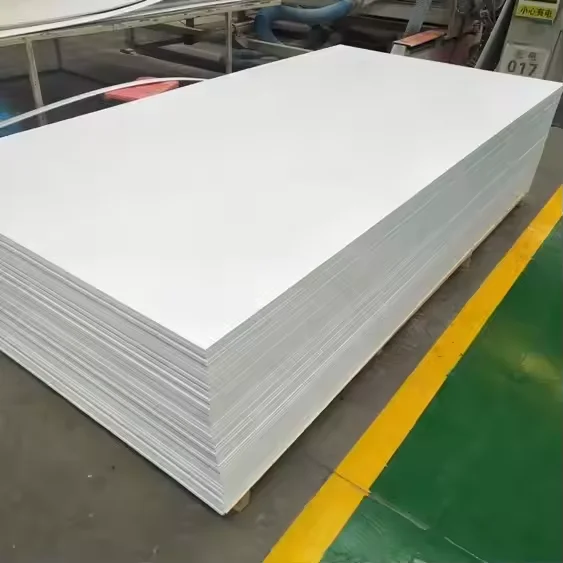
Professional contractors and DIY enthusiasts alike benefit from mastering the installation process to maximize the material's inherent advantages. The closed-cell structure of PVC foam board provides excellent thermal insulation while maintaining structural integrity under various environmental conditions. Proper installation techniques prevent common issues such as thermal bridging, moisture infiltration, and premature material degradation.
Essential Tools and Materials for Installation
Required Cutting and Measuring Equipment
Accurate measurement and precise cutting form the foundation of successful PVC foam board installation. A high-quality circular saw with a fine-tooth blade specifically designed for plastic materials ensures clean, chip-free cuts. The blade should have at least 60 teeth per inch to prevent melting during the cutting process. Alternative cutting tools include jigsaws with plastic-cutting blades for curved cuts and utility knives for thinner boards.
Measuring tools must provide precise dimensions to minimize waste and ensure proper fit. A steel measuring tape, carpenter's square, and chalk line facilitate accurate marking and alignment. Digital calipers prove invaluable when working with precise tolerances in industrial applications. Always verify measurements twice before cutting to prevent costly mistakes and material waste.
Fastening and Adhesive Systems
Selecting appropriate fastening methods depends on the specific application and environmental conditions. Stainless steel screws resist corrosion and provide reliable mechanical attachment for structural applications. Self-tapping screws work effectively with PVC foam board, eliminating the need for pre-drilling in most cases. Screw spacing typically ranges from 12 to 16 inches on center, depending on load requirements and environmental factors.
Structural adhesives offer excellent bonding strength for applications where mechanical fasteners may compromise the material's integrity. Polyurethane-based adhesives provide superior flexibility and weather resistance for exterior applications. Solvent-based adhesives create strong, permanent bonds but require adequate ventilation during application. Always test adhesive compatibility on sample pieces before proceeding with full installation.
Surface Preparation and Planning
Substrate Assessment and Treatment
Thorough substrate preparation ensures optimal adhesion and prevents future installation failures. The mounting surface must be clean, dry, and free from contaminants such as dust, grease, or loose particles. Power washing followed by appropriate cleaning solvents removes stubborn residues that could compromise adhesive bonding. Allow adequate drying time before proceeding with installation.
Surface irregularities exceeding 1/8 inch per foot require correction through grinding, filling, or shimming techniques. Concrete substrates may need grinding to achieve proper flatness tolerances. Wood substrates should be inspected for moisture content and treated with appropriate sealers if necessary. Metal substrates require proper priming to prevent corrosion and ensure adhesive compatibility.
Layout and Design Considerations
Strategic layout planning minimizes waste and creates visually appealing installations. Begin layout from the most prominent corner or centerline, working outward to maintain symmetry. Account for thermal expansion and contraction by incorporating appropriate gaps between panels. Standard expansion gaps range from 1/8 to 1/4 inch depending on panel size and anticipated temperature variations.
Consider joint locations carefully to maintain structural integrity and aesthetic appeal. Avoid aligning joints with high-stress areas or architectural features that could emphasize irregularities. Create detailed installation drawings showing panel locations, fastener patterns, and joint details before beginning work. This planning phase prevents field modifications that could compromise the installation quality.
Installation Techniques and Best Practices
Mechanical Fastening Methods
Proper fastening technique prevents over-compression that could damage the pvc foam board cellular structure. Drill pilot holes slightly smaller than the fastener diameter to ensure proper thread engagement without splitting. Counter-sink screws flush with the surface, avoiding over-tightening that could create dimples or stress concentrations.
Fastener selection depends on substrate material and load requirements. Use corrosion-resistant fasteners in all applications to prevent staining and premature failure. Washers distribute loads over larger areas, reducing local stress concentrations in the foam core. Sealant application around fastener penetrations prevents moisture infiltration in exterior applications.
Adhesive Application Procedures
Successful adhesive installation requires attention to environmental conditions and application techniques. Apply adhesive when ambient temperatures range between 50°F and 90°F for optimal curing. Humidity levels should remain below 85% to prevent adhesive dilution and extended cure times. Maintain these conditions throughout the cure period for maximum bond strength.
Apply adhesive in consistent beads or patterns according to manufacturer specifications. Typical coverage rates range from 100 to 200 square feet per gallon depending on substrate porosity and application method. Use spreader tools to achieve uniform thickness and eliminate air pockets. Position panels within the adhesive's open time, typically 10 to 30 minutes depending on formulation and environmental conditions.
Quality Control and Troubleshooting
Installation Inspection Procedures
Systematic quality control during installation prevents costly corrections and ensures long-term performance. Inspect each panel for proper alignment, gap consistency, and fastener placement before proceeding to the next section. Use string lines and levels to verify straight edges and plumb installations. Document any deviations from specifications for future reference.
Check adhesive squeeze-out patterns to verify proper coverage and bonding. Excessive squeeze-out indicates over-application, while insufficient squeeze-out suggests inadequate coverage. Clean excess adhesive immediately using appropriate solvents before curing occurs. Perform pull tests on sample installations to verify bond strength meets project requirements.
Common Installation Issues and Solutions
Thermal movement represents one of the most common installation challenges with PVC foam board applications. Insufficient expansion gaps cause buckling and warping as panels expand with temperature increases. Retrofit solutions include relief cuts and additional expansion joints, though prevention through proper initial design proves more cost-effective.
Moisture infiltration through improperly sealed joints leads to adhesive failure and potential substrate damage. Inspect all joint sealant applications for continuity and proper adhesion. Failed sealant requires complete removal and reapplication using compatible materials. Prevent future failures by selecting high-performance sealants rated for the specific environmental conditions.
Maintenance and Long-Term Performance
Routine Maintenance Procedures
Regular maintenance preserves PVC foam board appearance and extends service life significantly. Clean surfaces annually using mild detergent solutions and soft brushes to remove accumulated dirt and debris. Avoid abrasive cleaners or high-pressure washing that could damage the surface texture. Rinse thoroughly with clean water to prevent residue buildup.
Inspect fasteners and joints annually for signs of loosening, corrosion, or sealant failure. Tighten loose fasteners to specification torque values, replacing any showing corrosion damage. Re-seal joints showing signs of adhesive failure or cracking before moisture infiltration occurs. Document maintenance activities to establish service patterns and predict future needs.
Performance Optimization Strategies
Environmental monitoring helps optimize PVC foam board performance over extended periods. Track temperature and humidity variations to identify potential stress conditions. Seasonal inspections coinciding with extreme weather periods reveal performance trends and maintenance needs. Adjust maintenance schedules based on observed performance patterns.
Upgrade opportunities may arise as new adhesive and fastener technologies become available. Evaluate retrofit potential during routine maintenance cycles to improve performance or extend service life. Consider protective coatings or treatments that enhance UV resistance or chemical compatibility for specialized environments.
FAQ
What thickness of PVC foam board should I choose for structural applications
Structural applications typically require PVC foam board thickness ranging from 10mm to 30mm depending on load requirements and span distances. Thicker boards provide greater structural capacity but increase material costs and installation complexity. Consult structural engineering calculations or manufacturer load tables to determine appropriate thickness for specific applications. Consider deflection limits and safety factors when making thickness selections.
Can PVC foam board be installed in below-freezing temperatures
Installation in below-freezing temperatures requires special considerations for both material handling and adhesive performance. PVC foam board becomes more brittle at low temperatures, requiring careful handling to prevent cracking. Most structural adhesives will not cure properly below 40°F, necessitating heated enclosures or cold-weather formulations. Mechanical fastening remains viable in cold conditions with appropriate techniques.
How do I prevent thermal bridging when installing PVC foam board insulation
Preventing thermal bridging requires continuous insulation coverage and proper fastening techniques. Use thermal break strips or gaskets around fastener penetrations to interrupt heat transfer paths. Stagger joints between insulation layers to eliminate continuous thermal paths. Consider using adhesive-only attachment methods where structural requirements permit to minimize thermal bridge creation through mechanical fasteners.
What safety precautions should I follow during PVC foam board cutting and installation
Always wear appropriate personal protective equipment including safety glasses, dust masks, and work gloves during cutting operations. Ensure adequate ventilation when using solvent-based adhesives or cutting with heated tools. Use sharp cutting tools to minimize dust generation and prevent material cracking. Follow manufacturer safety data sheets for specific handling and disposal requirements for all installation materials.
Table of Contents
- Essential Tools and Materials for Installation
- Surface Preparation and Planning
- Installation Techniques and Best Practices
- Quality Control and Troubleshooting
- Maintenance and Long-Term Performance
-
FAQ
- What thickness of PVC foam board should I choose for structural applications
- Can PVC foam board be installed in below-freezing temperatures
- How do I prevent thermal bridging when installing PVC foam board insulation
- What safety precautions should I follow during PVC foam board cutting and installation