
 EN
EN
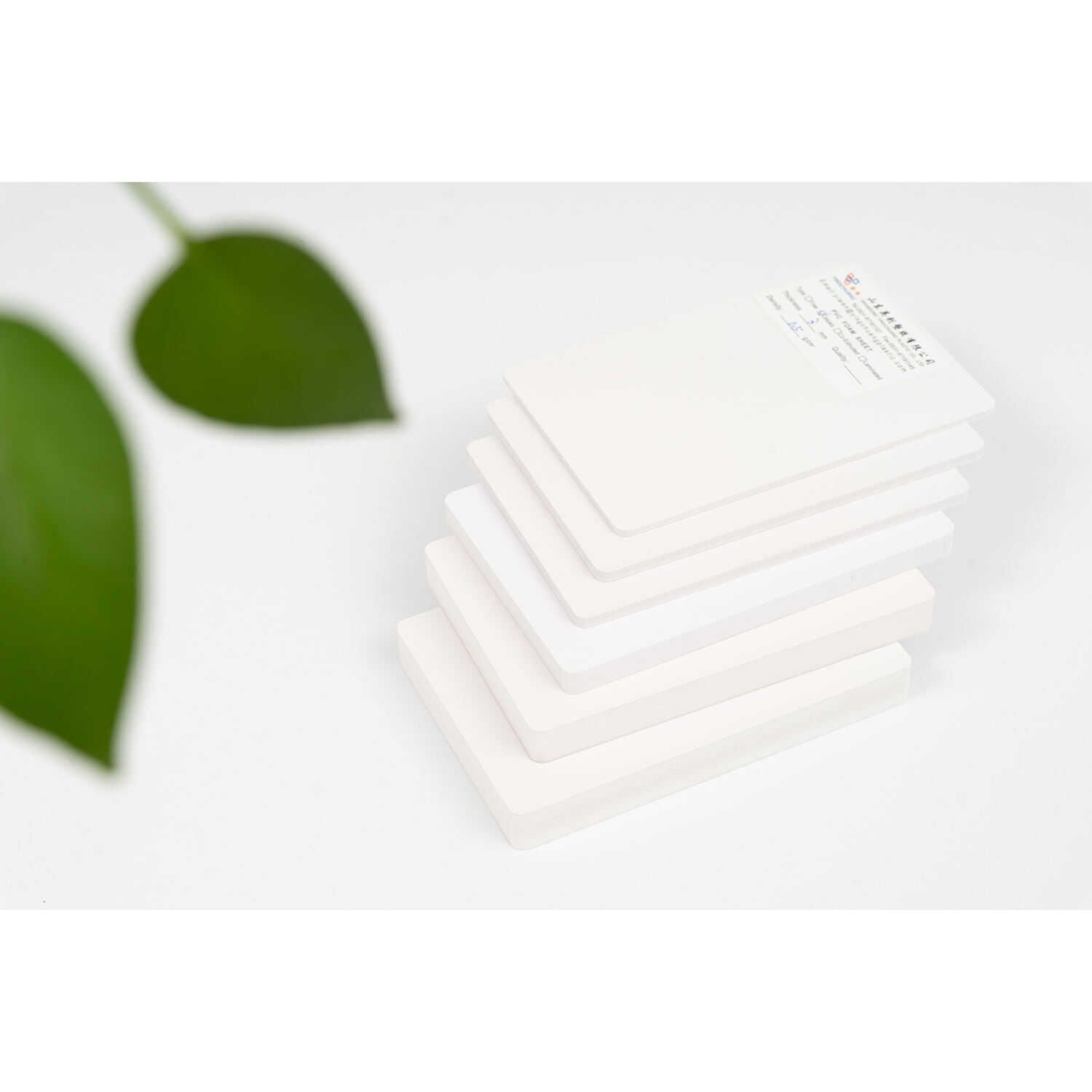
The construction and signage industries are experiencing a significant shift toward sustainable materials as environmental consciousness continues to reshape manufacturing practices. Traditional plastic sheets, while offering durability and versatility, are increasingly being scrutinized for their environmental impact. Modern businesses seek alternatives that maintain the functional benefits of conventional materials while reducing their carbon footprint and supporting circular economy principles. This evolution has sparked innovation in material science, leading to the development of eco-friendly solutions that meet both performance requirements and environmental standards.
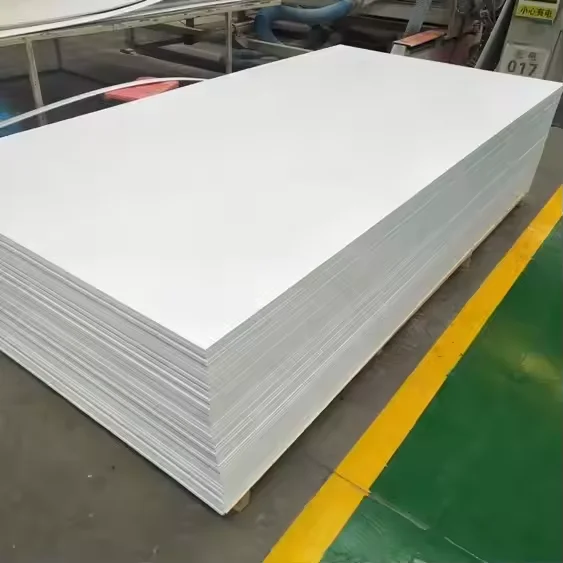
Understanding Traditional Foam Board Limitations
Environmental Impact Concerns
Conventional foam boards present several environmental challenges that have prompted industry professionals to seek sustainable alternatives. The production process typically involves chemical compounds that contribute to air pollution and require significant energy consumption. Additionally, disposal methods for traditional materials often result in long-term environmental consequences due to their non-biodegradable nature. Manufacturing facilities must also address waste management issues and comply with increasingly stringent environmental regulations.
The lifecycle assessment of traditional foam boards reveals concerning patterns regarding resource depletion and ecosystem impact. From raw material extraction through manufacturing processes to end-of-life disposal, conventional products leave substantial environmental footprints. These concerns have motivated manufacturers to explore innovative formulations that maintain structural integrity while incorporating renewable or recycled content. The transition toward greener alternatives requires careful consideration of performance specifications and cost-effectiveness to ensure market viability.
Performance Limitations
Beyond environmental considerations, traditional foam boards often exhibit performance limitations that affect their suitability for certain applications. Thermal expansion and contraction can cause dimensional instability in extreme temperature conditions, leading to warping or cracking. Chemical resistance may be insufficient for industrial environments where exposure to aggressive substances occurs regularly. These factors contribute to shorter service life and increased maintenance requirements, ultimately affecting total cost of ownership.
Weather resistance represents another critical limitation, particularly for outdoor applications where UV exposure and moisture infiltration can degrade material properties over time. Color stability and surface finish durability may deteriorate under prolonged environmental stress, necessitating more frequent replacement cycles. These performance challenges have driven research and development efforts toward advanced formulations that address multiple requirements simultaneously while maintaining environmental compatibility.
Innovative Eco-Friendly Material Solutions
Bio-Based Foam Technologies
Advanced bio-based foam technologies represent a revolutionary approach to sustainable material development, utilizing renewable feedstocks derived from agricultural waste and plant-based sources. These innovative formulations incorporate naturally occurring polymers that maintain structural properties comparable to traditional materials while offering enhanced biodegradability. Manufacturers have successfully developed processing techniques that transform organic compounds into durable foam structures suitable for construction and industrial applications. The resulting products demonstrate excellent dimensional stability and mechanical strength while supporting environmental sustainability goals.
Research institutions and material science companies continue advancing bio-based formulations through sophisticated polymerization processes and additive systems. These developments enable precise control over cellular structure, density distribution, and surface characteristics to meet specific application requirements. The integration of natural fiber reinforcement further enhances mechanical properties while maintaining the renewable content profile. Manufacturing scalability has improved significantly, making bio-based alternatives increasingly competitive with conventional materials in terms of cost and availability.
Recycled Content Integration
The incorporation of recycled content into foam board manufacturing represents a practical approach to reducing environmental impact while maintaining product performance standards. Advanced sorting and processing technologies enable the recovery of high-quality plastic materials from post-consumer and post-industrial waste streams. These recycled components undergo purification and reconstitution processes that restore their structural properties and compatibility with manufacturing equipment. The resulting products often achieve recycled content levels exceeding fifty percent while meeting rigorous quality specifications.
Quality control systems ensure that recycled content integration does not compromise mechanical properties or dimensional stability. Sophisticated testing protocols verify that products containing recycled materials meet the same performance standards as virgin material alternatives. Color consistency and surface finish quality are maintained through careful material selection and processing parameter optimization. This approach enables manufacturers to offer environmentally responsible products without sacrificing the reliability and durability that customers expect.
Applications and Performance Benefits
Construction Industry Applications
Eco-friendly foam board alternatives have gained significant traction in the construction industry, where sustainability requirements and green building certifications drive material selection decisions. These materials excel in insulation applications, providing thermal performance that meets or exceeds building code requirements while contributing to LEED certification points. Installation procedures remain consistent with traditional materials, ensuring that contractors can adopt sustainable alternatives without extensive training or equipment modifications. The lightweight characteristics reduce structural loading requirements and simplify handling during construction activities.
Moisture resistance properties make eco-friendly alternatives suitable for exterior sheathing and below-grade applications where environmental exposure presents significant challenges. Fire resistance ratings often exceed those of conventional materials, enhancing building safety while supporting sustainable construction practices. The compatibility with standard fastening systems and adhesives ensures seamless integration into existing construction workflows. Long-term durability testing demonstrates that these materials maintain their properties throughout typical building lifecycles, supporting life-cycle cost optimization strategies.
Signage and Display Solutions
The signage industry has embraced eco-friendly foam board alternatives for both indoor and outdoor display applications, where visual appeal and environmental responsibility align with brand messaging. These materials accept various printing technologies, including digital printing, screen printing, and vinyl application, without compromising image quality or adhesion properties. Surface smoothness and dimensional stability ensure that graphics remain flat and professional-looking throughout the display period. Weather resistance properties extend the usable life of outdoor signage while maintaining color vibrancy and structural integrity.
Processing capabilities include cutting, routing, and thermoforming operations that enable complex shapes and custom configurations. The materials demonstrate excellent machinability characteristics, producing clean edges and smooth surfaces during fabrication processes. Chemical compatibility with inks, adhesives, and protective coatings ensures that finished signage products maintain their appearance and functionality over extended periods. These properties make eco-friendly alternatives particularly attractive for companies seeking to demonstrate environmental stewardship through their marketing materials and brand presentations.
Manufacturing and Quality Standards
Production Process Innovation
Modern manufacturing processes for eco-friendly foam boards incorporate advanced technologies that optimize material properties while minimizing environmental impact. Extrusion systems utilize precise temperature control and pressure management to achieve uniform cellular structure and consistent density distribution throughout the product thickness. Chemical foaming agents derived from renewable sources replace traditional blowing agents that contribute to ozone depletion or global warming potential. Energy recovery systems capture waste heat from production processes, reducing overall energy consumption and operational costs.
Quality monitoring systems employ real-time measurement technologies to ensure consistent product specifications and identify process variations before they affect final product quality. Automated handling systems reduce material waste and improve manufacturing efficiency while maintaining worker safety standards. Water-based cooling systems replace chemical coolants, further reducing environmental impact and simplifying waste management procedures. These process innovations demonstrate that sustainable manufacturing practices can enhance product quality while reducing operational costs and environmental footprint.
Certification and Compliance
Comprehensive testing protocols verify that eco-friendly foam board alternatives meet industry standards for mechanical properties, fire resistance, and environmental performance. Third-party certification programs validate sustainability claims and provide independent verification of recycled content levels and biodegradability characteristics. Regulatory compliance documentation ensures that products meet building codes and safety requirements in various jurisdictions. Quality management systems follow ISO standards to maintain consistent production quality and traceability throughout the supply chain.
Environmental product declarations provide transparent information about lifecycle impacts, enabling informed decision-making by architects, engineers, and contractors. Chemical emissions testing verifies that indoor air quality standards are maintained when products are used in occupied spaces. Durability testing simulates long-term environmental exposure to predict service life and maintenance requirements. These comprehensive evaluation procedures ensure that sustainable alternatives deliver reliable performance while supporting environmental objectives and regulatory compliance requirements.
Market Trends and Future Developments
Industry Adoption Patterns
The adoption of eco-friendly foam board alternatives reflects broader industry trends toward sustainable construction practices and corporate environmental responsibility initiatives. Early adopters in the commercial construction sector have demonstrated that sustainable materials can meet performance requirements while supporting green building objectives. Government procurement policies increasingly favor environmentally responsible products, creating market demand that drives continued innovation and cost reduction efforts. Educational institutions and healthcare facilities particularly value sustainable alternatives that align with their organizational missions and sustainability commitments.
Market research indicates accelerating adoption rates as product availability improves and cost premiums decrease through manufacturing scale economies. Professional associations and industry organizations promote sustainable material use through educational programs and certification requirements. Trade publications and technical conferences highlight successful case studies that demonstrate practical benefits and performance advantages. These factors contribute to growing market acceptance and establish sustainable alternatives as viable options for mainstream applications rather than niche specialty products.
Technology Advancement Projections
Research and development initiatives continue advancing material formulations and manufacturing processes to enhance performance characteristics while maintaining environmental benefits. Nanotechnology applications promise improved mechanical properties and functional capabilities through engineered additives and reinforcement systems. Smart material concepts integrate responsive properties that adapt to environmental conditions, potentially extending service life and improving functionality. Biotechnology approaches explore enzymatic processing methods and bio-engineered polymer systems that further enhance sustainability profiles.
Manufacturing automation and artificial intelligence applications optimize production parameters in real-time, improving quality consistency while reducing waste and energy consumption. Circular economy initiatives develop closed-loop recycling systems that recover and reprocess end-of-life materials into new products. Advanced analytics and predictive modeling enable more accurate lifecycle assessments and environmental impact quantification. These technological developments position eco-friendly alternatives to eventually surpass traditional materials in both performance and cost-effectiveness while maintaining superior environmental profiles.
Economic Considerations and Cost Analysis
Initial Investment Evaluation
The economic evaluation of eco-friendly foam board alternatives requires comprehensive analysis that considers both initial purchase costs and long-term value propositions. While sustainable materials may command premium pricing compared to conventional options, this cost differential continues decreasing as manufacturing scales increase and supply chains mature. Total project costs often remain competitive when considering reduced waste disposal fees and potential tax incentives for sustainable construction practices. Green building certification credits can offset initial cost premiums through enhanced property values and marketability advantages.
Procurement strategies that emphasize lifecycle value rather than lowest initial cost reveal the economic advantages of sustainable alternatives. Extended service life reduces replacement frequency and associated labor costs for maintenance activities. Improved performance characteristics may enable design optimizations that reduce material quantities or structural requirements. These factors contribute to favorable return on investment calculations that support the business case for adopting pvc foam board alternatives despite higher initial costs.
Long-Term Value Assessment
Long-term economic analysis reveals that sustainable foam board alternatives often provide superior value propositions through reduced maintenance requirements and extended service life. Improved weather resistance minimizes degradation-related replacement costs, while enhanced chemical resistance reduces maintenance interventions in industrial environments. Energy efficiency benefits from improved insulation properties contribute to reduced operational costs in building applications. These performance advantages compound over time, creating significant cost savings that exceed initial premium investments.
Risk mitigation represents an additional economic benefit, as regulatory compliance risks decrease with products that exceed current environmental standards. Supply chain stability improves through diversified sourcing options and reduced dependence on petroleum-derived raw materials. Brand value enhancement through demonstrated environmental responsibility can generate marketing benefits and competitive advantages in sustainability-conscious markets. These intangible benefits complement direct cost savings to create comprehensive value propositions that justify sustainable material selections.
FAQ
What are the main environmental benefits of eco-friendly foam board alternatives compared to traditional materials
Eco-friendly foam board alternatives offer significant environmental advantages including reduced carbon footprint through bio-based or recycled content, improved end-of-life disposal options through biodegradability or recyclability, and decreased dependence on petroleum-derived raw materials. Manufacturing processes typically consume less energy and generate fewer harmful emissions, while many sustainable alternatives achieve carbon neutrality or even carbon negativity through their production lifecycle. Additionally, these materials often contribute to green building certification programs and support circular economy principles by incorporating waste materials that would otherwise require disposal.
How do performance characteristics of sustainable foam boards compare to conventional options
Modern eco-friendly foam board alternatives match or exceed traditional materials in most performance categories including mechanical strength, dimensional stability, and weather resistance. Advanced formulations have addressed historical limitations such as temperature sensitivity and moisture absorption through innovative polymer chemistry and additive systems. Many sustainable alternatives demonstrate superior fire resistance ratings and chemical compatibility while maintaining the lightweight characteristics and ease of processing that make foam boards attractive for various applications. Durability testing confirms that these materials achieve comparable service life expectations under normal operating conditions.
What factors should be considered when selecting eco-friendly foam board alternatives for specific applications
Application-specific selection criteria should include environmental exposure conditions, mechanical loading requirements, chemical compatibility needs, and aesthetic considerations such as surface finish and color stability. Installation methods and compatibility with existing fastening systems or adhesives must be verified to ensure seamless integration into project workflows. Regulatory compliance requirements including building codes and environmental certifications should guide material selection decisions. Cost analysis should encompass total lifecycle value including initial purchase price, installation costs, maintenance requirements, and end-of-life disposal options to determine optimal material choices.
Are there any limitations or special considerations for using sustainable foam board materials
While eco-friendly foam board alternatives generally perform comparably to traditional materials, some applications may require specific considerations such as temperature limitations for certain bio-based formulations or compatibility verification with particular adhesives or coatings. Storage and handling procedures may differ slightly to maintain material properties, and some sustainable alternatives require protection from extended UV exposure during construction activities. Availability may be more limited in certain geographic regions, requiring advance planning for project scheduling. However, these considerations are typically minor and can be addressed through proper material selection and project planning procedures.
Table of Contents
- Understanding Traditional Foam Board Limitations
- Innovative Eco-Friendly Material Solutions
- Applications and Performance Benefits
- Manufacturing and Quality Standards
- Market Trends and Future Developments
- Economic Considerations and Cost Analysis
-
FAQ
- What are the main environmental benefits of eco-friendly foam board alternatives compared to traditional materials
- How do performance characteristics of sustainable foam boards compare to conventional options
- What factors should be considered when selecting eco-friendly foam board alternatives for specific applications
- Are there any limitations or special considerations for using sustainable foam board materials