
 EN
EN
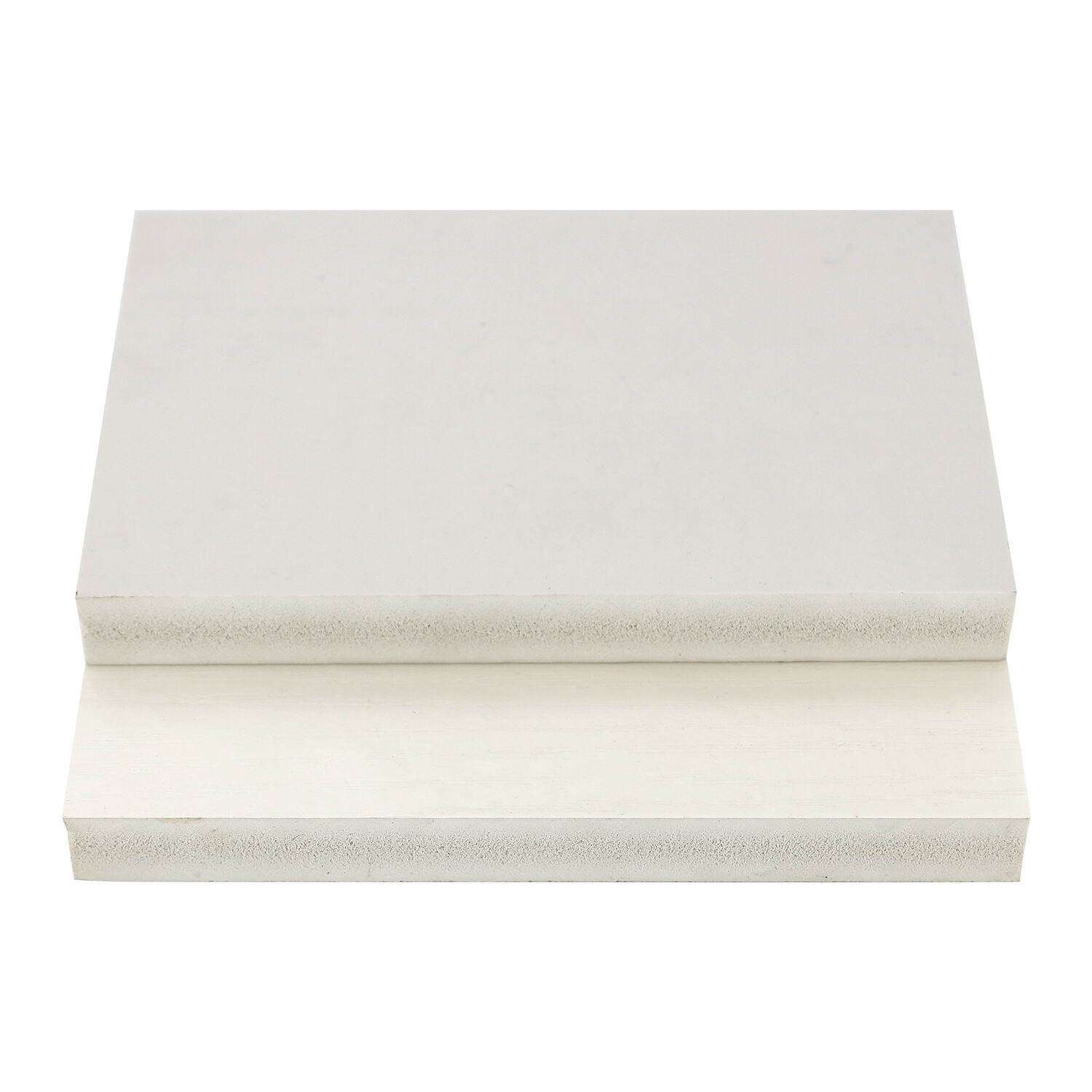
Installing pvc cabinet sheet in your home has become increasingly popular among DIY enthusiasts and professional contractors alike. These versatile panels offer exceptional durability, moisture resistance, and aesthetic appeal while remaining cost-effective compared to traditional wood cabinet materials. The installation process requires careful planning, proper tools, and attention to detail to achieve professional-looking results that will last for years to come.

Understanding PVC Cabinet Sheet Materials
Composition and Manufacturing Process
Modern pvc cabinet sheet materials are manufactured using advanced polymer technology that combines polyvinyl chloride with stabilizers, plasticizers, and colorants. The manufacturing process involves extruding or calendering techniques that create uniform thickness and consistent surface textures. Quality manufacturers ensure their products meet industry standards for dimensional stability, impact resistance, and environmental safety certifications.
The composition of high-grade pvc cabinet sheet typically includes rigid PVC compounds that provide structural integrity while maintaining flexibility for installation. These materials undergo rigorous quality control testing to ensure consistent color matching, surface smoothness, and adhesive compatibility. Understanding the material composition helps installers select appropriate adhesives, cutting tools, and finishing techniques for optimal results.
Surface Textures and Design Options
Contemporary pvc cabinet sheet products offer numerous surface textures ranging from smooth gloss finishes to wood grain patterns that closely mimic natural lumber. Embossed textures provide realistic wood appearances with consistent grain patterns that eliminate the variations found in natural wood products. These surface treatments also enhance durability by providing additional scratch resistance and easier maintenance characteristics.
Color options for pvc cabinet sheet materials continue expanding with manufacturers offering extensive palettes including traditional wood tones, contemporary solid colors, and specialty finishes. Advanced printing technologies enable realistic wood grain reproductions that capture subtle color variations and natural imperfections. These design options allow homeowners to achieve their desired aesthetic while benefiting from PVC's superior performance characteristics.
Essential Tools and Materials for Installation
Cutting and Measuring Equipment
Professional installation of pvc cabinet sheet requires precision cutting tools including circular saws with fine-tooth blades specifically designed for plastic materials. Router tools with carbide-tipped bits enable clean edge profiling and precise joinery work. Measuring instruments such as steel rulers, squares, and marking gauges ensure accurate dimensions and proper alignment throughout the installation process.
Additional cutting tools include utility knives with replaceable blades for scoring and trimming operations, jigsaw with plastic-cutting blades for curved cuts, and edge sanders for smoothing cut surfaces. Sharp cutting tools are essential for preventing chipping, cracking, or melting during the cutting process. Regular blade maintenance and replacement ensure consistent cut quality throughout the project.
Adhesives and Fastening Systems
Selecting appropriate adhesives for pvc cabinet sheet installation depends on substrate materials, environmental conditions, and application requirements. Contact cements provide immediate bonding strength and are ideal for vertical applications where clamping is difficult. Structural adhesives offer superior long-term durability and gap-filling capabilities for uneven substrate surfaces.
Mechanical fastening systems include specialized screws with countersunk heads designed for plastic materials, brad nails for temporary holding during adhesive curing, and corner brackets for reinforcing joint connections. Proper fastener selection prevents cracking, splitting, or stress concentration that could compromise the installation integrity. Understanding fastener compatibility with different pvc cabinet sheet thicknesses ensures optimal holding power without material damage.
Surface Preparation and Planning
Substrate Assessment and Preparation
Successful pvc cabinet sheet installation begins with thorough substrate evaluation and preparation procedures. Existing cabinet surfaces must be cleaned, degreased, and inspected for structural integrity before applying new materials. Any loose or damaged substrate components require repair or replacement to ensure proper adhesion and long-term performance of the finished installation.
Surface preparation involves sanding glossy finishes to promote adhesion, filling gaps or imperfections with appropriate fillers, and ensuring surfaces are completely dry before installation begins. Proper substrate preparation prevents future adhesion failures, visible imperfections, and premature wear of the pvc cabinet sheet materials. Environmental conditions such as temperature and humidity must be controlled during preparation and installation phases.
Layout Planning and Measurement
Careful layout planning minimizes material waste while ensuring optimal visual appearance and structural performance. Detailed measurements of all cabinet surfaces, including doors, drawers, and fixed panels, enable accurate material calculations and cutting lists. Planning sheet orientation and grain direction creates consistent visual flow throughout the installation.
Creating detailed installation drawings helps identify potential challenges and allows for advance problem-solving before cutting expensive materials. Layout planning also considers expansion and contraction characteristics of pvc cabinet sheet materials under varying temperature conditions. Proper planning ensures joints align correctly, maintains consistent reveal dimensions, and produces professional-quality results.
Step-by-Step Installation Process
Cutting and Shaping Techniques
Precise cutting techniques are fundamental to successful pvc cabinet sheet installation projects. Begin by marking cut lines with sharp pencils or scribing tools, ensuring measurements account for material thickness and joint requirements. Support sheet materials properly during cutting operations to prevent vibration, chipping, or binding that could compromise cut quality or create safety hazards.
When cutting pvc cabinet sheet materials, maintain consistent feed rates and avoid excessive pressure that could cause melting or rough edges. Use appropriate blade speeds for the material thickness and always cut from the finished face to minimize visible imperfections. Post-cutting operations include edge sanding, deburring, and test-fitting before applying adhesives or fasteners.
Adhesive Application and Bonding
Professional adhesive application requires understanding proper coverage rates, open times, and curing conditions for optimal bond strength. Apply adhesives evenly using appropriate tools such as rollers, brushes, or spray equipment depending on adhesive type and application requirements. Maintain consistent adhesive thickness to prevent squeeze-out, gaps, or uneven bonding that could affect appearance or performance.
Bonding procedures involve carefully positioning pvc cabinet sheet materials to avoid air bubbles, wrinkles, or misalignment during initial contact. Apply uniform pressure using rollers, presses, or clamping systems to ensure complete adhesive contact across the entire surface. Allow adequate curing time before handling or applying additional loads to prevent bond failure or material distortion.
Advanced Installation Techniques
Edge Banding and Trim Installation
Edge banding applications require specialized techniques to achieve seamless integration with pvc cabinet sheet surfaces. Pre-heat edge banding materials and substrates to appropriate temperatures for optimal adhesion and conformability around curved or profiled edges. Trimming excess banding material requires sharp tools and steady techniques to prevent chipping or delamination.
Trim installation around pvc cabinet sheet edges provides finished appearances while protecting vulnerable corners and joints from damage. Various trim profiles accommodate different design requirements and installation conditions. Proper trim installation includes accurate miter cuts, consistent reveal dimensions, and secure fastening that allows for thermal movement without compromising appearance.
Hardware Installation and Adjustment
Installing cabinet hardware in pvc cabinet sheet materials requires understanding material properties and appropriate fastening techniques. Drill pilot holes slightly smaller than fastener diameters to ensure proper thread engagement without causing stress cracks. Use backing materials or reinforcement plates for heavy hardware installations that exceed the material's load-bearing capacity.
Hardware adjustment procedures account for the different thermal expansion characteristics of pvc cabinet sheet compared to traditional wood materials. Adjustable hinges, drawer slides, and catches accommodate these differences while maintaining proper operation throughout temperature cycles. Regular maintenance and adjustment ensure long-term functionality and appearance of the finished installation.
Troubleshooting Common Installation Issues
Adhesion Problems and Solutions
Poor adhesion between pvc cabinet sheet and substrate materials often results from inadequate surface preparation, improper adhesive selection, or unfavorable environmental conditions. Identifying adhesion problems early prevents extensive repairs and material waste. Common indicators include lifting edges, hollow sounds when tapped, or visible gaps between materials.
Resolving adhesion issues may require removing affected sections, cleaning surfaces, and reapplying appropriate adhesives under controlled conditions. Prevention strategies include thorough surface preparation, proper adhesive selection for specific substrates, and maintaining recommended temperature and humidity levels during installation. Understanding pvc cabinet sheet compatibility with different adhesive chemistries prevents future bonding problems.
Thermal Expansion Management
Managing thermal expansion and contraction of pvc cabinet sheet materials prevents buckling, gaps, or stress-related failures in finished installations. Design considerations include providing expansion joints at regular intervals, using flexible sealants in gaps, and allowing for movement in fastener locations. Understanding coefficient of expansion values helps predict material behavior under varying temperature conditions.
Installation techniques that accommodate thermal movement include using slotted fastener holes, flexible adhesive systems, and appropriate joint designs that allow movement without visible gaps. Monitoring installations through seasonal temperature cycles identifies potential problem areas before they become significant issues. Proper thermal management ensures long-term performance and appearance of pvc cabinet sheet installations.
Maintenance and Care Instructions
Cleaning and Surface Protection
Maintaining pvc cabinet sheet surfaces requires understanding appropriate cleaning products and techniques that preserve appearance without damaging material properties. Mild detergent solutions effectively remove common soils without causing discoloration or surface degradation. Avoid abrasive cleaners, strong solvents, or excessive scrubbing that could damage surface textures or protective coatings.
Regular cleaning schedules prevent soil buildup and maintain the attractive appearance of pvc cabinet sheet surfaces. Immediate cleanup of spills prevents staining and reduces cleaning effort required for maintenance. Protective measures such as cabinet door bumpers, drawer liner materials, and appropriate hardware selection minimize wear and extend service life of the installation.
Repair and Restoration Procedures
Minor damage to pvc cabinet sheet installations can often be repaired using specialized repair compounds, color-matched materials, or localized replacement techniques. Understanding repair procedures helps maintain installation integrity and appearance over time. Professional repair services may be required for extensive damage or complex restoration projects.
Preventive maintenance includes regular inspection for loose fasteners, worn hardware, or developing problems that could worsen without attention. Early intervention prevents minor issues from becoming major repairs. Maintaining spare pvc cabinet sheet materials enables matching repairs and replacements when needed, ensuring consistent appearance throughout the installation's service life.
FAQ
What tools are essential for cutting pvc cabinet sheet accurately
Essential cutting tools include a circular saw with fine-tooth carbide blade designed for plastic materials, a router with sharp carbide bits for edge profiling, and a sharp utility knife for scoring thin sheets. Additionally, you'll need precision measuring tools like steel rulers and squares, plus appropriate safety equipment including eye protection and dust masks. Quality cutting tools prevent chipping and ensure clean, professional edges on your pvc cabinet sheet installation.
How do I prevent thermal expansion issues during installation
Prevent thermal expansion problems by allowing expansion gaps of approximately 1/8 inch per 10 feet of pvc cabinet sheet length, using flexible sealants in joints, and installing materials at moderate temperatures between 65-75°F. Use slotted fastener holes rather than tight-fitting holes, and avoid over-constraining large panels. Consider the seasonal temperature range in your location and plan accordingly to accommodate material movement without buckling or gaps.
What type of adhesive works best for pvc cabinet sheet installation
Contact cement provides excellent initial bonding strength for vertical applications and edges where clamping is difficult, while structural acrylic adhesives offer superior long-term durability and gap-filling properties for uneven surfaces. The substrate material, environmental conditions, and specific application determine the best adhesive choice. Always verify compatibility between your chosen adhesive and the specific pvc cabinet sheet material you're installing.
Can pvc cabinet sheet be installed over existing laminate cabinets
Yes, pvc cabinet sheet can be installed over existing laminate cabinets provided the substrate is structurally sound, thoroughly cleaned, and properly prepared. Sand glossy laminate surfaces lightly to improve adhesion, repair any loose or damaged areas, and ensure surfaces are completely clean and dry. Use appropriate primers if recommended by the adhesive manufacturer, and allow adequate curing time before use to ensure optimal bond strength and longevity.