Subtitle: Discover why PVC foam board is becoming the go-to choice for industries ranging from construction and advertising to marine and interior design.
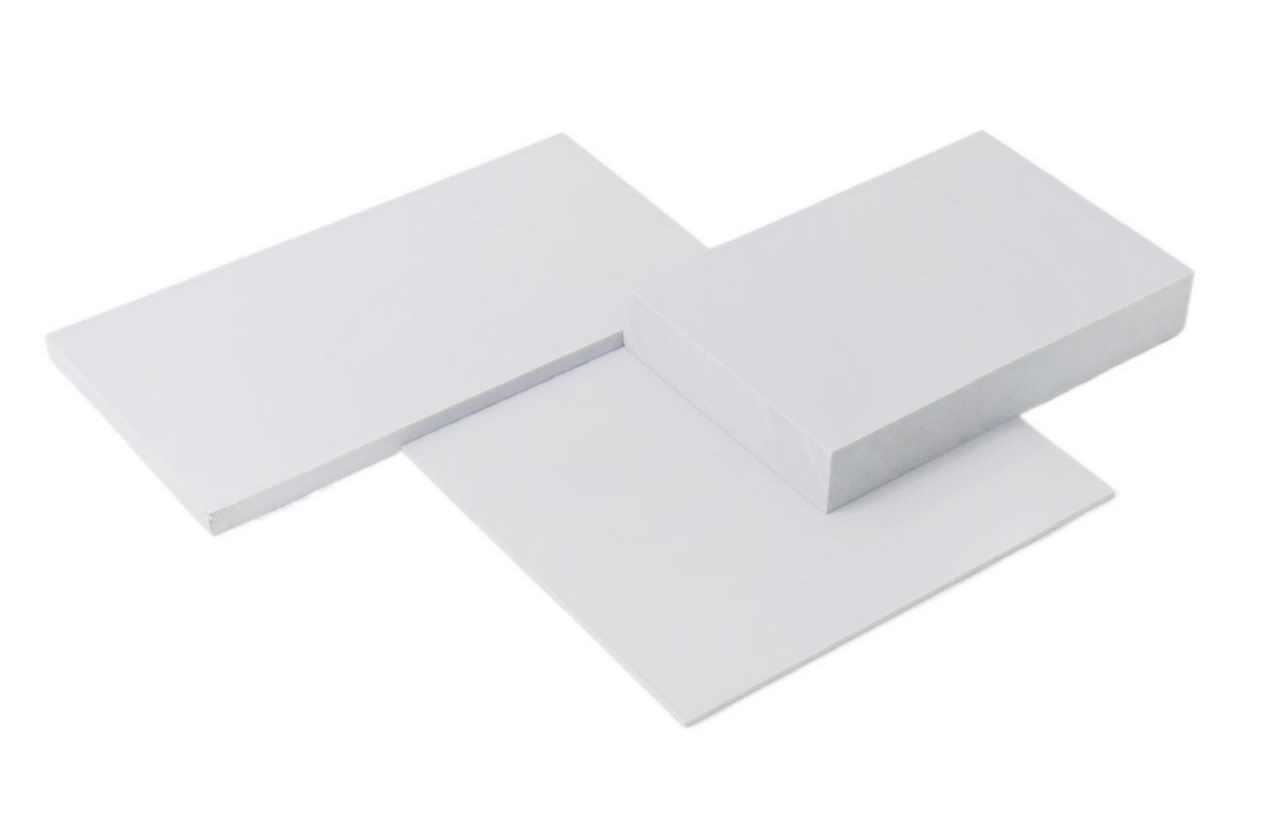
In the ever-evolving world of construction, manufacturing, and design, the demand for materials that combine strength, lightness, and adaptability continues to grow. PVC foam board, also known as expanded PVC or rigid PVC foam sheet, has emerged as a frontrunner, offering an exceptional balance of properties that traditional materials often lack. This versatile engineering plastic is revolutionizing how professionals and hobbyists approach projects, big and small.
What is PVC Foam Board?
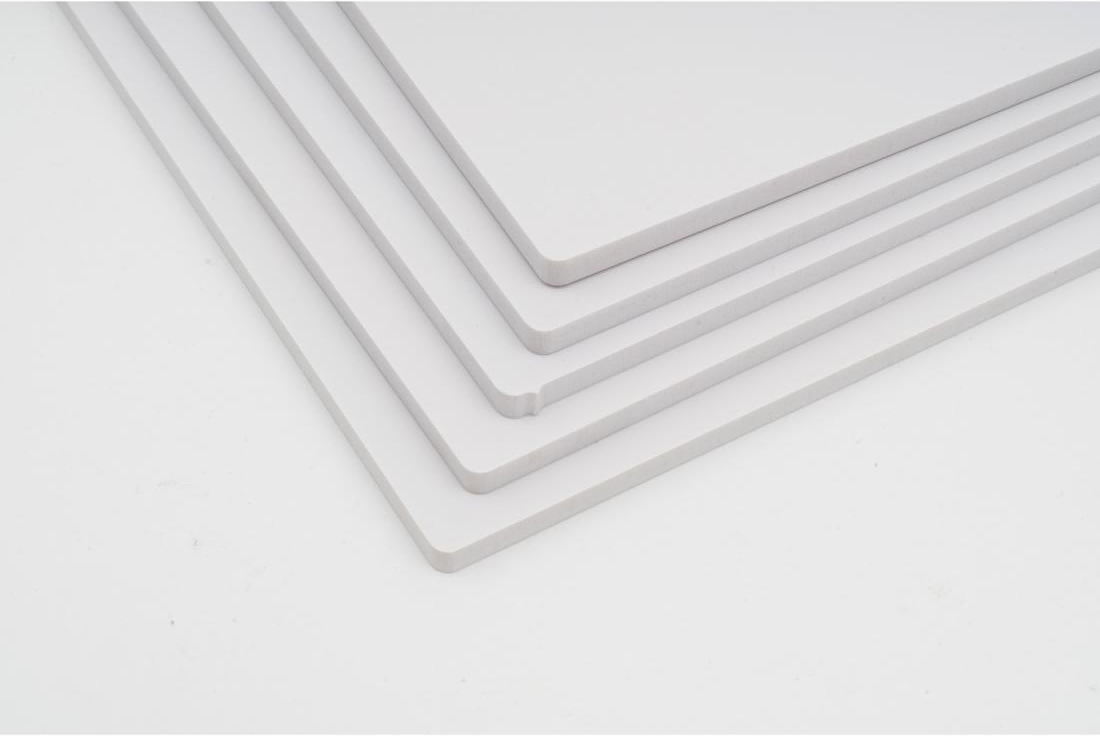
At its core, PVC foam board is a lightweight, rigid material made from polyvinyl chloride (PVC) that has been expanded through a foaming process. This creates a closed-cell structure, resulting in a panel that is remarkably strong for its weight. Unlike solid PVC sheets, the foam core makes it easy to handle, cut, and fabricate while maintaining excellent durability and water resistance. Available in various densities, thicknesses, and surface finishes (from matte to glossy), it can be customized to meet specific project requirements.
Core Advantages That Set PVC Foam Board Apart
1. Exceptional Strength-to-Weight Ratio
This is perhaps its most significant advantage. PVC foam board provides the rigidity and impact resistance comparable to many heavier materials like wood, plywood, or solid plastics, but at a fraction of the weight. This makes it ideal for applications where reducing load is crucial, such as in vehicle interiors, exhibition stands, and marine components.
2. Outstanding Weather and Moisture Resistance
PVC is inherently resistant to water, moisture, and humidity. It will not rot, warp, or swell when exposed to damp conditions, making it perfect for both indoor and outdoor applications. It stands up well to rain, sunlight (with UV-stabilized formulations), and temperature variations without degrading, ensuring long-term performance.
3. Superior Chemical and Corrosion Resistance
The material resists a wide range of chemicals, acids, alkalis, and oils. This property makes it a preferred choice in laboratories, chemical plants, marine environments (resistant to saltwater), and for signage that may be exposed to pollutants or cleaning agents.
4. Ease of Fabrication and Versatility
PVC foam board is a dream to work with. It can be easily cut, routed, drilled, milled, bent (with heat), and engraved using standard woodworking or CNC machinery. Its smooth surface is perfect for direct printing, vinyl application, painting, or lamination, allowing for endless creative possibilities in branding and design.
5. Excellent Fire Retardant Properties
Many grades of PVC foam board are self-extinguishing and meet various international fire safety standards (such as UL 94, B1 grade). This is a critical factor for its use in public transportation, building interiors, and exhibition venues where fire safety is paramount.
6. Eco-Friendly and Sustainable Options
Modern manufacturing processes allow for the production of PVC foam boards using recycled content. Furthermore, the material's longevity and recyclability at the end of its life cycle contribute to more sustainable project lifecycles compared to single-use alternatives.
Key Application Areas
1. Construction & Architecture:
Used for wall cladding, ceiling panels, partitions, and decorative elements. Its moisture resistance makes it excellent for bathrooms, kitchens, and wet areas. It's also used for soffits and fascia boards.
2. Advertising & Signage:
A premier material for signs, displays, exhibition stands, POP displays, and digital printing substrates. Its dimensional stability ensures prints remain flawless, and its lightness simplifies installation and transport.
3. Transportation:
Widely used in the interiors of buses, trains, ships, and yachts for paneling, partitions, and cabinet doors. Its light weight contributes to fuel efficiency, while its durability withstands constant use.
4. Industrial & Fabrication:
Serves as jigs, fixtures, templates, and machinery guards in workshops. Its stability and ease of cutting make it ideal for precise prototyping and modeling.
5. DIY & Hobbyist Projects:
From model building and home decor to garden projects and crafts, its user-friendly nature makes it accessible for professionals and DIY enthusiasts alike.
PVC Foam Board vs. Traditional Materials
vs. Wood/Plywood: More consistent, moisture-proof, rot-proof, and does not splinter. Lighter and often easier to finish.
vs. Acrylic (PMMA): More impact-resistant, less brittle, and typically more affordable while maintaining a similar aesthetic for displays.
vs. Solid PVC Sheet: Lighter, easier to handle and fabricate, and provides better insulation.
vs. Aluminum Composite Panel (ACP): Often more cost-effective, with better chemical resistance and similar fabricability for signage.
Choosing the Right PVC Foam Board
When selecting a PVC foam board, consider:
Density: Higher density offers more strength and a finer surface finish for painting or printing.
Thickness: Ranges from 1mm to 30mm+ for different structural needs.
Surface Finish: Glossy, matte, or textured.
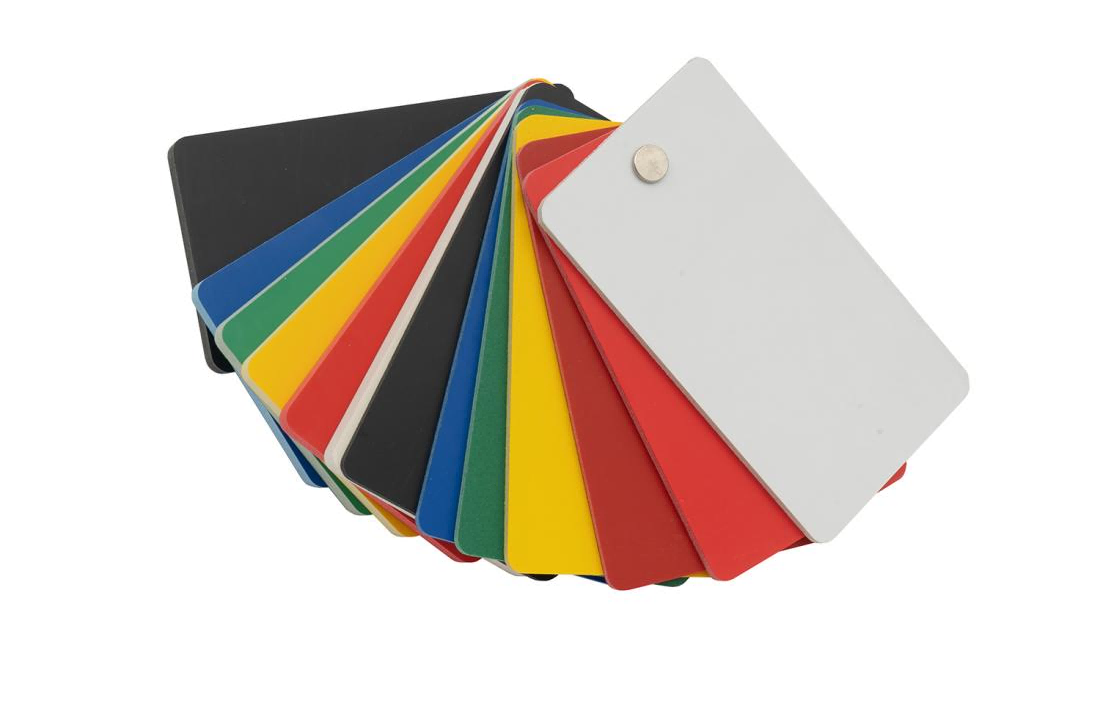
Color: Available in standard white, black, and a spectrum of colors, including custom matches.
Certifications: Look for relevant fire ratings, anti-static properties, or marine certifications for specialized projects.
About Our PVC Foam Board Solutions
At YINGCHUANG, we are committed to providing high-performance material solutions. Our premium PVC foam boards are manufactured under strict quality controls to ensure uniformity, stability, and superior performance. We offer a comprehensive range of sizes, densities, and colors, backed by technical support to help you select the perfect material for your project's success.
Unlock the potential of your next project. Explore the durability, versatility, and quality of our PVC foam board collection. Contact our expert team today for samples, quotes, and technical data sheets.

SHANDONG YINGCHUANG PLASTIC CO., LTD provides high-performance PVC foam boards and acrylic sheets (PMMA) for signage, display, and construction. ISO 9001-certified, factory-direct solutions with global export. Request a quote today.
Room 2508, Dingfeng Center, No. 6 Jiefang Road, Lixia District, Jinan City, Shandong Province
Copyright © 2026 SHANDONG YINGCHUANG PLASTIC CO., LTD. All rights reserved. Privacy Policy
 EN
EN